
Going gluten-free and feeling overwhelmed? Here are practical, quick tips to help you survive and thrive during your first week on a gluten-free diet and lifestyle. Switching isn’t always easy, but these steps will make the change more manageable and sustainable.
Disclaimer: This post may contain affiliate links. I may earn a small commission if you make a purchase at no extra cost to you. I only recommend products I trust and use.
What to expect during your first week on a gluten-free diet
Starting a gluten-free diet can feel overwhelming at first. It can seem like you’ll never enjoy your favorite foods again, especially if you love eating. But changing to a gluten-free lifestyle doesn’t mean the end of good food. With a few practical adjustments, you can eat well and stick to a budget.
This guide focuses on simple, actionable steps to get you through week one and set a strong foundation going forward. If you’re feeling lost or anxious, follow these steps to make the transition smoother.
1. Read labels carefully
Become a label reader. Many everyday products contain hidden gluten — from instant soups to frozen fries and even some candies. Checking labels will protect your health and help you avoid accidental exposure.
Common sources of gluten
- Wheat
- Barley (including barley malt)
- Rye
- Triticale (a wheat–rye hybrid)
Wheat appears in many forms and under many names, so also avoid ingredients like spelt, semolina, wheat germ, cracked wheat, wheat bran, wheat starch, couscous, einkorn, durum, and matzo.
Tip: Look for the “Allergens” warning near the nutrition label. Manufacturers usually list wheat or note if the product is made in a facility that processes gluten-containing ingredients. If you see a warning or any suspect ingredients, choose a different product.
2. Replace flour-based favorites with gluten-free versions
Jumping straight from a traditional pizza crust to a cauliflower crust can be a shock. Instead, swap in gluten-free alternatives of the foods you love while you adjust. This makes the transition less painful and helps you stick with it.
Common swaps to find
- Pasta
- Cookies
- Crackers
- Bagels
- Bread
- Cake
- Muffins
Store-bought gluten-free options are widely available and can be a good short-term solution. If you prefer a healthier and more economical approach, try homemade versions or whole-food snacks. Some items, like pasta, crackers, and chips, are often easier to buy than to make at home because of time and equipment.
Pasta tips
Simple pasta options, such as brown rice noodles, are made from minimal ingredients and work as direct substitutes. To improve nutrition and reduce carbs, mix spiralized zucchini (zoodles) into your cooked pasta during the last 30 seconds of cooking time.
Crackers and chips
Crackers and chips are often better purchased. Graham crackers are one exception you may enjoy making at home for seasonal treats.
3. Cook more gluten-free meals at home
Cooking at home is one of the best ways to control ingredients, save money, and consistently eat gluten-free. You don’t need to be a master baker—basic tools and a few simple recipes get you far. Once you practice a few recipes, you’ll build confidence and speed.
Gluten-free baking often uses batters more than kneaded doughs and uses gums (like xanthan) to mimic the texture of gluten. Start with simple recipes—cookies and quick breads translate easily. Bread and bagels just require different techniques and patience.
This week, browse for a few gluten-free recipes to try and save them to a board or folder. Pick one easy recipe to test so you get comfortable without overwhelming yourself.
4. Learn the common gluten-free flours, starches, and gums
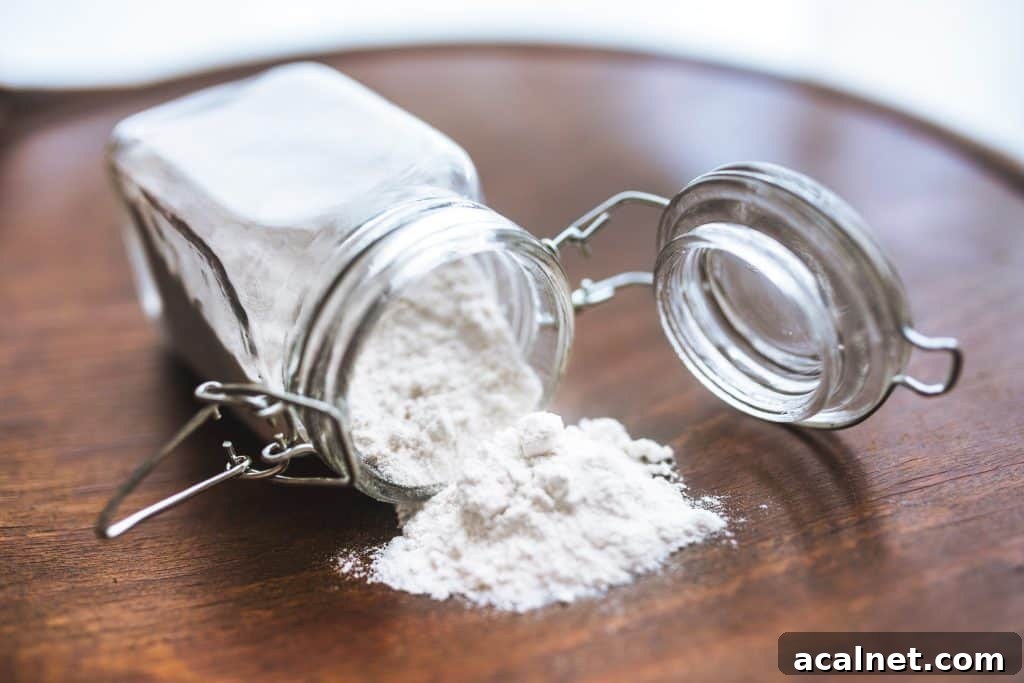
Gluten-free cooking introduces new ingredients that can feel like learning a different language. Start with a handful of versatile staples that cover most recipes and keep costs manageable. Over time, you’ll learn how each one affects texture and flavor.
These are the most practical, affordable, and widely useful gluten-free ingredients:
- Brown rice flour
- Potato starch (not potato flour)
- Tapioca starch/flour
- Xanthan gum
- Coconut flour
- Almond flour
- Arrowroot or corn starch
These basics can be combined to make all-purpose gluten-free blends that work for many baked goods. Avoid blends that include chickpea (garbanzo) flour if you dislike the bean-like flavor, as it can make sweet baked goods taste off.
Stick to recipes using these common ingredients or a reliable all-purpose blend until you become comfortable experimenting with more specialized flours.
Starter recipes to try this week
Try one or two simple recipes to build confidence: easy sandwich bread, scones, dinner rolls, or hearty breakfast cookies. Practicing a few basics will make future meal planning and baking much easier.
Quick summary
- Read labels and avoid wheat, barley, and rye.
- Swap flour-based favorites for gluten-free store-bought or homemade versions; buy certain items like pasta and chips if it’s simpler.
- Cook more at home to control ingredients and save money.
- Get familiar with a small set of gluten-free flours, starches, and xanthan gum; start with a basic all-purpose blend and practice a simple recipe this week.