
Researching illegitimate ancestors is challenging for genealogy researchers. Explore these tips and resources for clues to your ancestor’s parents.
Are you researching an ancestor born out of wedlock?
Do you suspect your ancestor was illegitimate?
If you answered yes to either question, you have likely encountered the challenges of researching an illegitimate ancestor.
Is it possible to determine the parents of an illegitimate child?
Sometimes.
In some cases you may know one parent (often the mother). In others you will find only circumstantial evidence pointing to possible parents. The key is identifying which records are most likely to hold the clues you need.
What Types of Genealogy Records Should You Pursue When Researching an Illegitimate Ancestor?
Before diving into records, it helps to understand the terminology you may encounter. Some terms are outdated or offensive today but were commonly used in historical documents. Keep the historical context in mind as you read original records and indexes.
Common terms you might see when researching illegitimate children:
- Base-born
- Bastard
- Born out of wedlock
- Natural
- Reputed — as in “reputed son of”
- Imputed — as in “imputed son of,” indicating the mother named a man as father
- Ignotus — Latin for “unknown,” sometimes found in church registers
Oral History
Oral history often provides the best leads for identifying whether an ancestor was illegitimate and who the parents might be.
Family stories that were well known to one generation may not have been passed down to the next. Illegitimacy has been a sensitive topic, so details are often guarded or forgotten. Talk with older relatives and collateral lines—distant cousins and branches of the family may have preserved memories or different versions of the same story that contain useful clues.
In every case where an illegitimate ancestor’s parents were identified, contacting distant relatives proved crucial.
Be tactful when asking about sensitive family history. Some relatives are open to discussing it, while others will avoid the subject.
Vital Records
For more recent research, check birth and death certificates. Fathers are sometimes listed as “unknown,” but occasionally a father’s name or partial name appears, which can be a valuable lead.
Church Records
Church registers and disciplinary records can reveal evidence of a child born out of wedlock. Women who had children outside marriage might be censured or recorded in church discipline minutes. If you know or suspect a mother’s identity, search the local parish records for entries naming her or noting any disciplinary action around the time of the child’s birth.
Bastardy Bonds and Apprentice Bonds
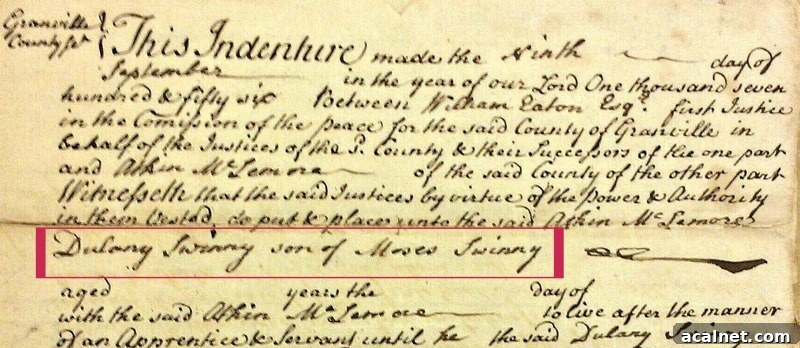
Bastardy bonds (recorded in some areas) and apprentice bonds can help identify parents. Bastardy bonds are tied to the mother and sometimes name the alleged father if she named him. Apprentice bonds frequently list the parent of a child placed into apprenticeship. If an apprentice bond names only the mother, that may indicate the child was born out of wedlock.
DNA Testing
Genetic testing is a powerful tool for breaking through brick walls. While autosomal DNA is not a legal paternity test and won’t directly identify a specific father, it can reveal matches and surname connections that point you to an ancestral line. DNA often opens new lines of documentary research and helps confirm or refute hypotheses formed from paper records.

Consider Other Potential Clues When Researching Your Illegitimate Ancestor
Sometimes records contain indirect clues that point to illegitimacy or to a possible father:
- A child named after a likely father can suggest a family connection.
- Check court records for financial actions—on rare occasions a woman sought support from a man of means. Outside of bastardy bonds this is uncommon, but worth checking in the records for your area and period.
- Illegitimate children often carried the mother’s surname. If a child carries the father’s surname, the father may have acknowledged the child.
Remember…
Researching ancestors born out of wedlock can be slow and emotionally sensitive. You may only be able to assemble a circumstantial case from the surviving evidence. Keep pursuing records, follow DNA leads, and continue reaching out to relatives—each small discovery can lead to the next.
🤔 Stuck trying to find an elusive ancestor? Ready to stop aimless searching and get focused results? Consider a dedicated research session with a genealogy specialist to refocus your efforts and identify next steps.
Other Posts You May Enjoy
- 7 Tips For Successful Genealogy Research In A Burned County
- How to Determine Your Ancestor’s Birth Date (Even If No Birth Record Is Found)
- How To Pull the Stories From Your Ancestors
***Please note this post originally contained affiliate links. Recommendations are based on resources commonly used by genealogists. Refer to the original author’s disclosure and privacy statements for full details.