Even as an adult, I still get occasional acne flare-ups. Sometimes it’s small red bumps; other times it’s full-on pimples. Hormonal shifts are usually the main trigger for me, but other factors like sleeping in makeup, stress, and excess holiday junk food can spark breakouts too. Right now I’m dealing with a hormonal chin breakout plus a few red bumps on my cheeks from holiday treats.
Time to give my skin a little TLC.
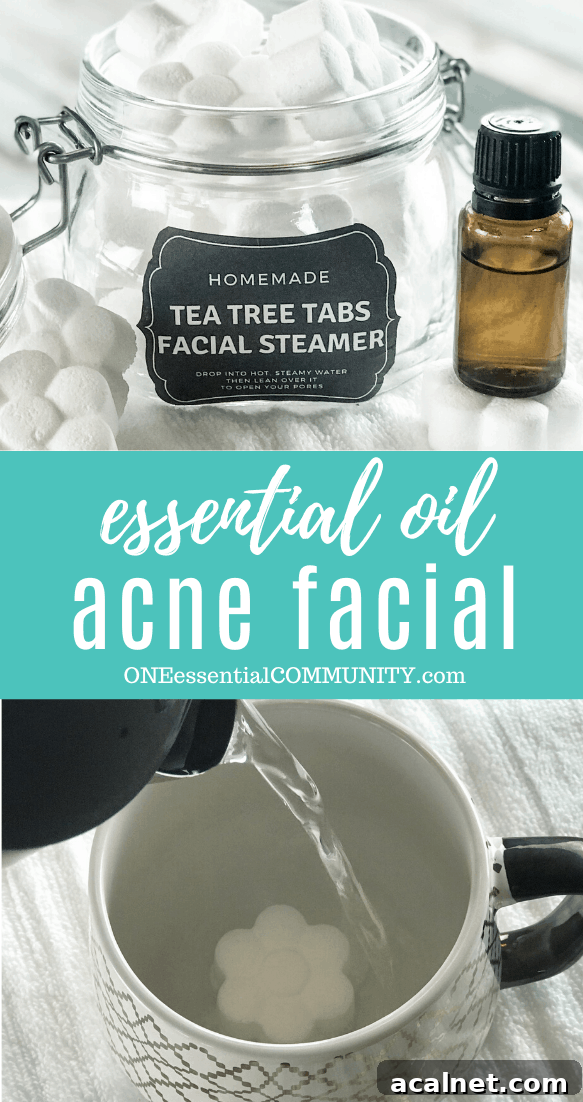
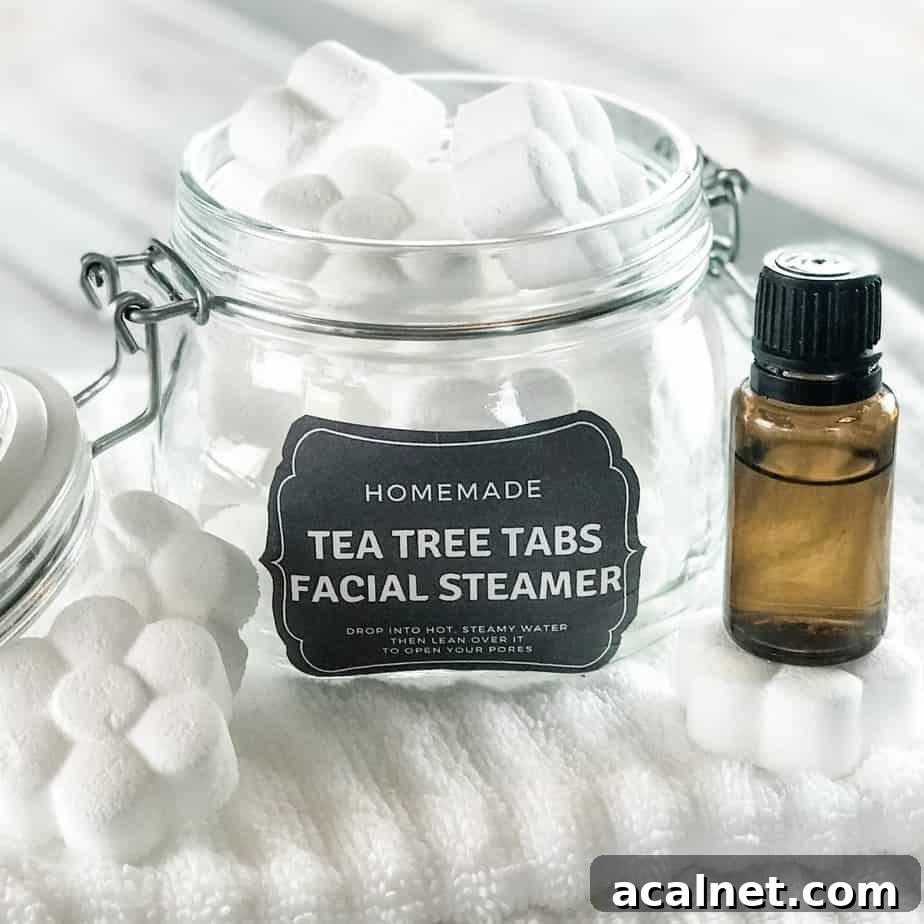
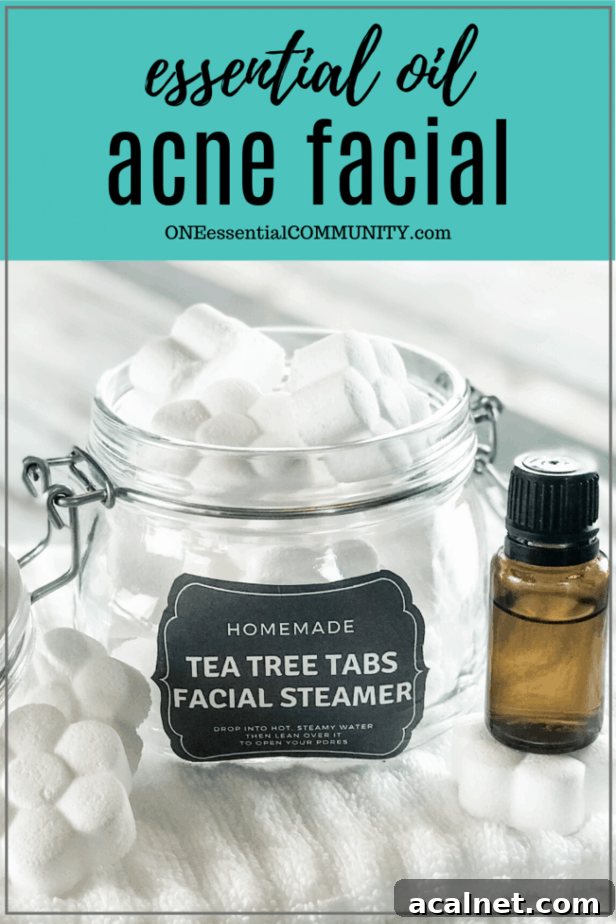
I made a batch of these homemade acne facial tabs, a copycat of Lush’s Tea Tree Tabs. They combine the antibacterial and soothing benefits of tea tree (melaleuca) essential oil with the deep-cleansing power of steam. To use, drop 1–2 tabs into a bowl of hot, steamy water, lean over the bowl, and drape a towel over your head to trap the steam. It’s relaxing and effective.
Benefits of steam and tea tree facial tabs:
- Helps reduce the appearance of pores
- Deep-cleanses skin
- Reduces inflammation
- Soothes irritated or troubled skin
- Speeds healing of pimples
This simple self-care routine is a great way to refresh your skin and start the new year right.
What you’ll need
Yield: about 15–20 facial tabs (2 tablespoon size each)
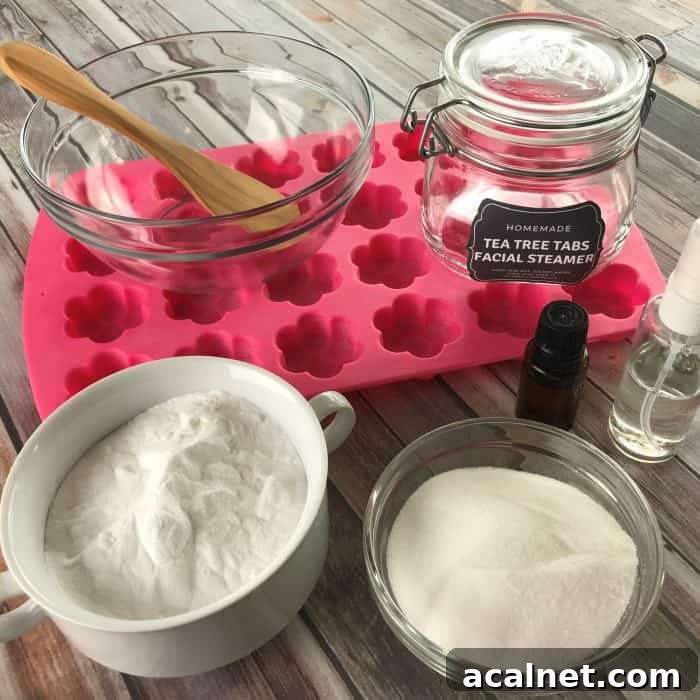
Ingredients and tools:
- 1 cup baking soda
- 1/2 cup citric acid
- 20 drops tea tree (melaleuca) essential oil
- 2–3 tablespoons witch hazel
- Mini spray bottle (optional but helpful)
- Mini silicone mold (2 tbsp size works well)
- Bowl, spoon, and a jar or container for storage
How to make acne facial tabs with tea tree essential oil
Step 1: Mix dry ingredients
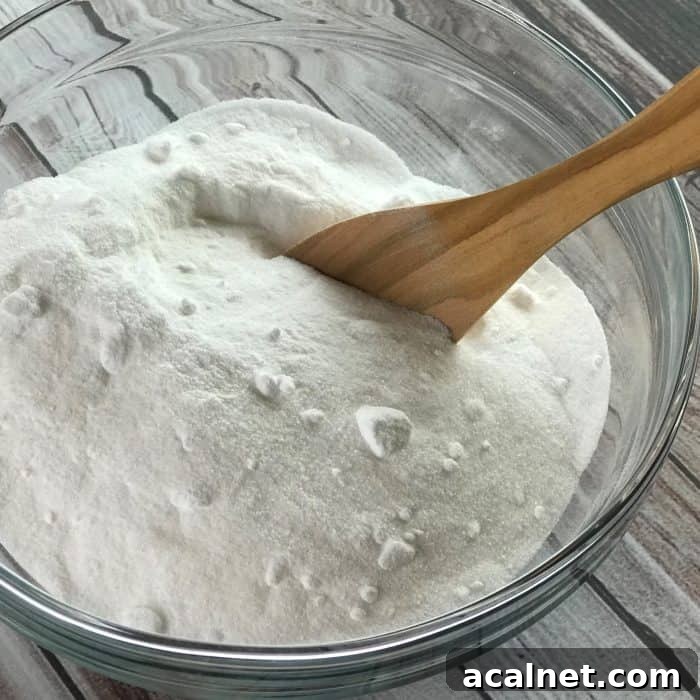
Add 1 cup baking soda and 1/2 cup citric acid to a bowl. Mix well and use a spoon to break up any lumps so the texture is even.
Step 2: Add essential oil
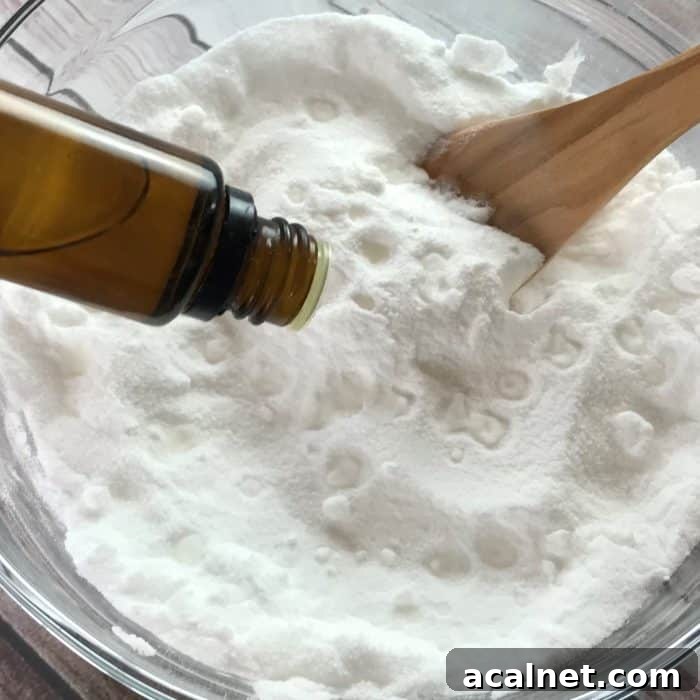
Add 20 drops of tea tree essential oil and mix thoroughly so the oil blends evenly with the dry ingredients.
Step 3: Add witch hazel
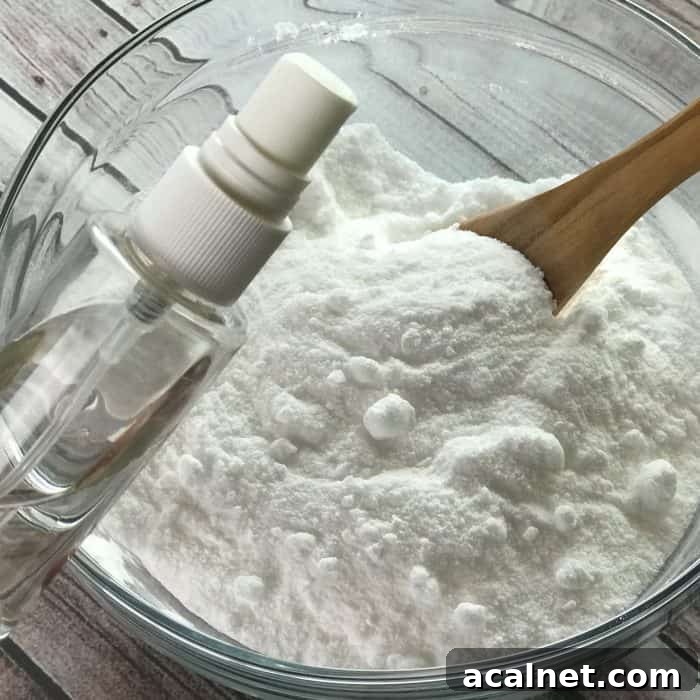
Start with 2 tablespoons of witch hazel, then add more if needed until the mixture resembles damp (but not wet) sand. The mixture should hold together when pressed into a ball but break apart easily when dropped. If it’s too wet, add more baking soda and citric acid. If too dry, add witch hazel a little at a time.
Tip: Use a spray bottle to add witch hazel slowly so the baking soda and citric acid don’t react fully now. You want most of the fizz to happen when you activate the tabs with hot water during use.
Step 4: Press into molds
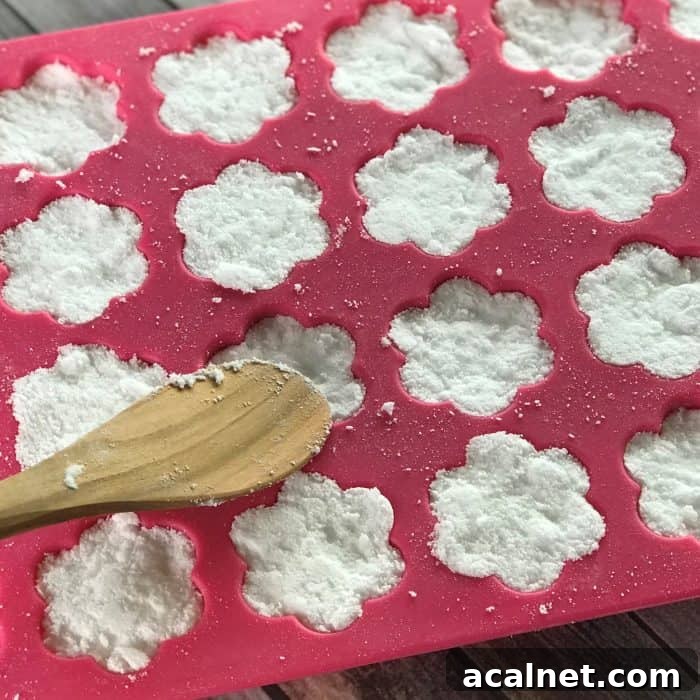
Pack the mixture firmly into silicone molds (flower shapes or ice-cube-size molds work well). Press down firmly with a spoon or your fingers so the tabs hold together when dry.
Step 5: Dry completely and unmold
Let the tabs dry completely before removing from the molds. Drying time varies with humidity—anywhere from several hours to a few days. In humid conditions, running a dehumidifier or drying in a less humid room speeds this up. Once fully dry, the tabs will pop out easily.
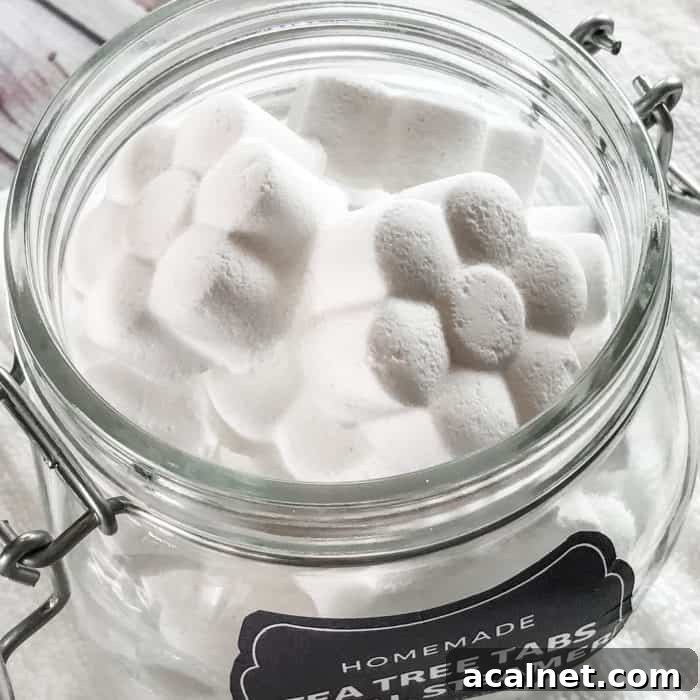
Optional: Package
Store finished tabs in a dry jar. You can label the jar for gifting or personal use.
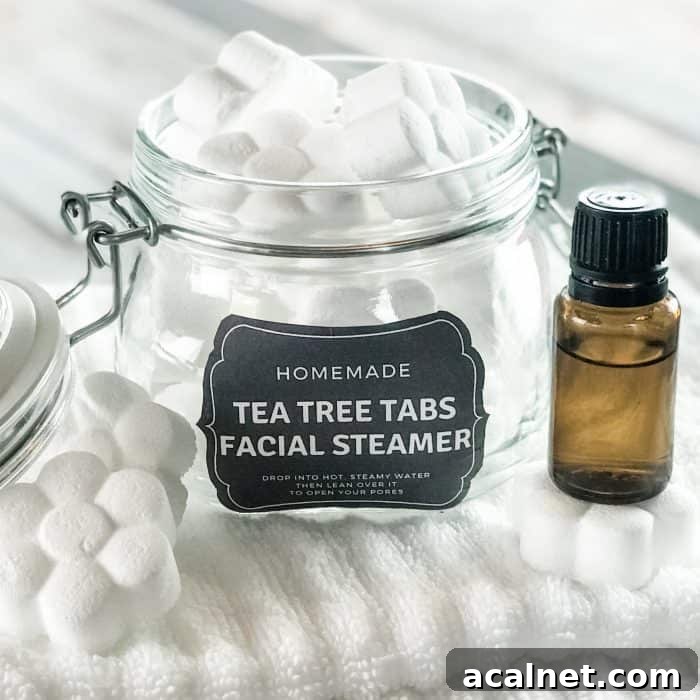
How to use acne facial tabs
- Start with a clean face.
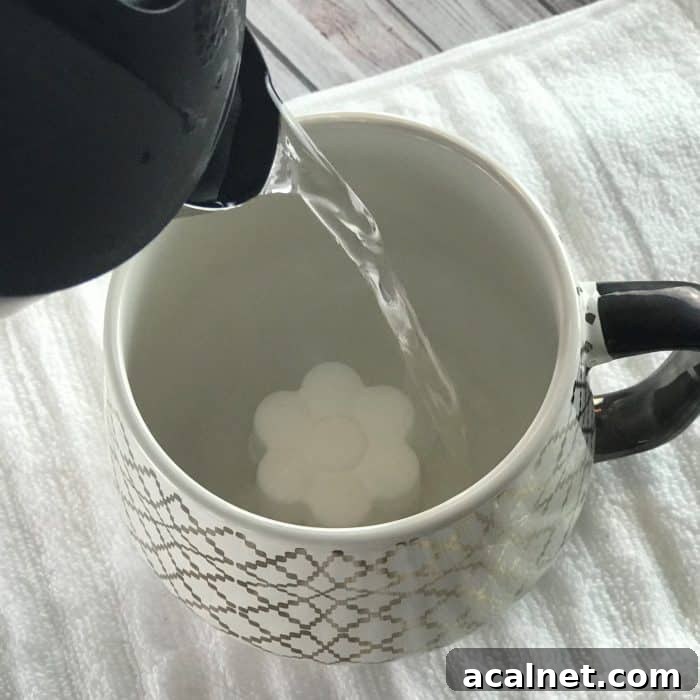
- Place 1–2 facial tabs into a wooden, glass, or ceramic bowl.
- Pour hot, steamy water over the tabs to activate them.
- Close your eyes to avoid steam or essential oil getting in your eyes.
- Drape a soft towel over your head and the bowl to trap the steam.
- Keep your face over the steam for a few minutes to open and cleanse pores. If you get too hot, lift the towel and take a break until you feel comfortable again.
- When finished, gently pat your face dry with a clean towel.
- Apply a toner, then finish with a lightweight face serum to seal in moisture.
Where to get supplies
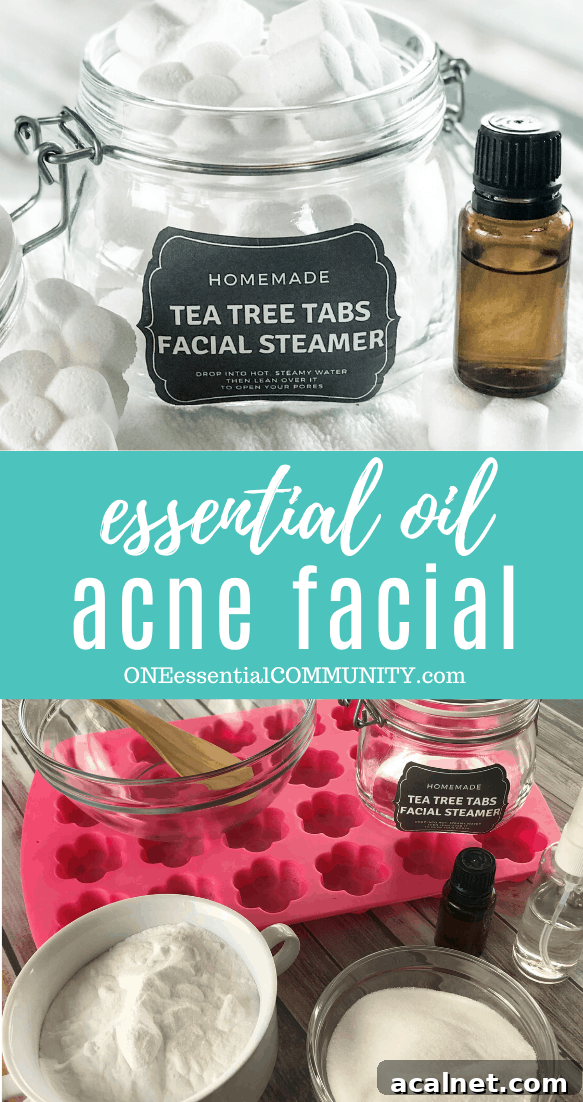
Common ingredients and tools for this project include baking soda, citric acid, tea tree (melaleuca) essential oil, witch hazel, a mini spray bottle, and a small silicone mold. These items are widely available from major retailers and craft stores.
Please join us:
We share more DIY skincare ideas and recipes on social platforms and via our newsletter.

Please note: Products mentioned have not been evaluated by the FDA. This information is not intended to diagnose, treat, cure, or prevent any disease and is not a substitute for professional medical advice. Always consult a healthcare professional for medical concerns.