Converting recipes to gluten-free can feel daunting, but with the right guidance it becomes straightforward. Read on for clear, practical tips on swapping wheat flour for gluten-free options, choosing the best flours and blends, measuring accurately, and adapting common baking recipes so your results are light, flavorful, and reliable.
In this comprehensive guide to converting recipes to gluten-free, you’ll find:
- How to convert recipes to gluten-free
- Key facts about gluten-free flour
- How to use gluten-free all-purpose flour
- Converting recipes that call for cake flour
- Adapting yeast recipes
- How to make gluten-free self-rising flour
- How to measure gluten-free flour correctly
- Why gums help in gluten-free baking
- When to add extra leavening in gluten-free recipes
Can you simply replace regular flour with gluten-free flour?
You can replace wheat flour with gluten-free flour, but success depends on which flours you choose. Gluten-free flours are not interchangeable: single flours like almond or rice won’t mimic wheat alone. The best results come from a well-formulated blend that balances starches and whole-grain flours, and often includes a gum for structure.
Rather than swapping a single alternative flour directly, use an all-purpose gluten-free blend designed to replace wheat flour. That removes much of the guesswork and delivers more consistent results across recipes.
Two common questions I hear are: “How can I convert my grandmother’s recipe to gluten-free?” and “If a gluten-free recipe calls for multiple flours, can I just use one all-purpose gluten-free flour instead?” The answers are related: use a reliable all-purpose gluten-free flour for recipes that call for regular all-purpose wheat flour, and be cautious substituting into gluten-free recipes created for specific single flours.
Some gluten-free recipes are optimized for specific flours. If you use a different flour or blend, you may need to change moisture, fat, or sweetener to compensate. Using a dedicated all-purpose gluten-free blend makes conversions easier and reduces the need for adjustments.
How to convert a wheat flour recipe to gluten-free
When converting a favorite family recipe or simplifying a gluten-free recipe that lists several different flours, replace the total amount of wheat flour with the same amount of an all-purpose gluten-free flour. If your chosen blend already contains gums like xanthan or guar gum, do not add extra—extra gum can make baked goods gummy.
3 top tips for converting recipes using gluten-free all-purpose flour
- Use the same total amount of flour called for in the original recipe. If your all-purpose blend contains a gum, do not add more.
- Avoid trying to convert whole-wheat or stone-ground wheat recipes to gluten-free. Those recipes rely on wheat’s specific structure and won’t translate well. Stick to recipes developed for all-purpose wheat flour for best results.
- Be cautious when swapping an all-purpose gluten-free flour into a gluten-free recipe that specifies other individual flours. Those recipes were formulated for specific textures and flavors; substituting a different blend can change outcomes dramatically.
Choosing the right gluten-free flours
- If you create your own blend or choose a different pre-mixed option, avoid bean flours in general-purpose blends—they can leave off flavors and often require extra sugar to mask taste.
- Steer clear of blends that are gritty (heavy in rice flour). Look for blends with sufficient starches (corn starch, potato starch, tapioca starch, arrowroot) to keep baked goods light.
- Never replace all-purpose wheat flour with a single alternative like almond or coconut flour; they behave very differently. Use a blend, or follow a recipe that was created for the specific flour it calls for.
- Different gluten-free flours absorb moisture differently. If a recipe lists a specific flour, the author likely chose it for its moisture and texture properties.
- Gluten-free baked goods often don’t brown the same as wheat-based items. Don’t over-bake waiting for browning; follow the recipe timing and check doneness by texture and internal temperature when relevant.
All about all-purpose gluten-free flour
All-purpose gluten-free flour recipes and pre-made blends are widely available. A well-balanced blend simplifies converting traditional recipes and baking reliably. If one blend doesn’t deliver the results you want, try another—blends vary widely in composition and performance.
Pre-made blends are convenient, consistent, and speed the baking process by eliminating the need to measure multiple ingredients for every recipe. A thoughtfully designed blend combines starches and neutral-tasting whole-grain flours, and includes a gum to provide structure similar to wheat.
More on picking gluten-free flours
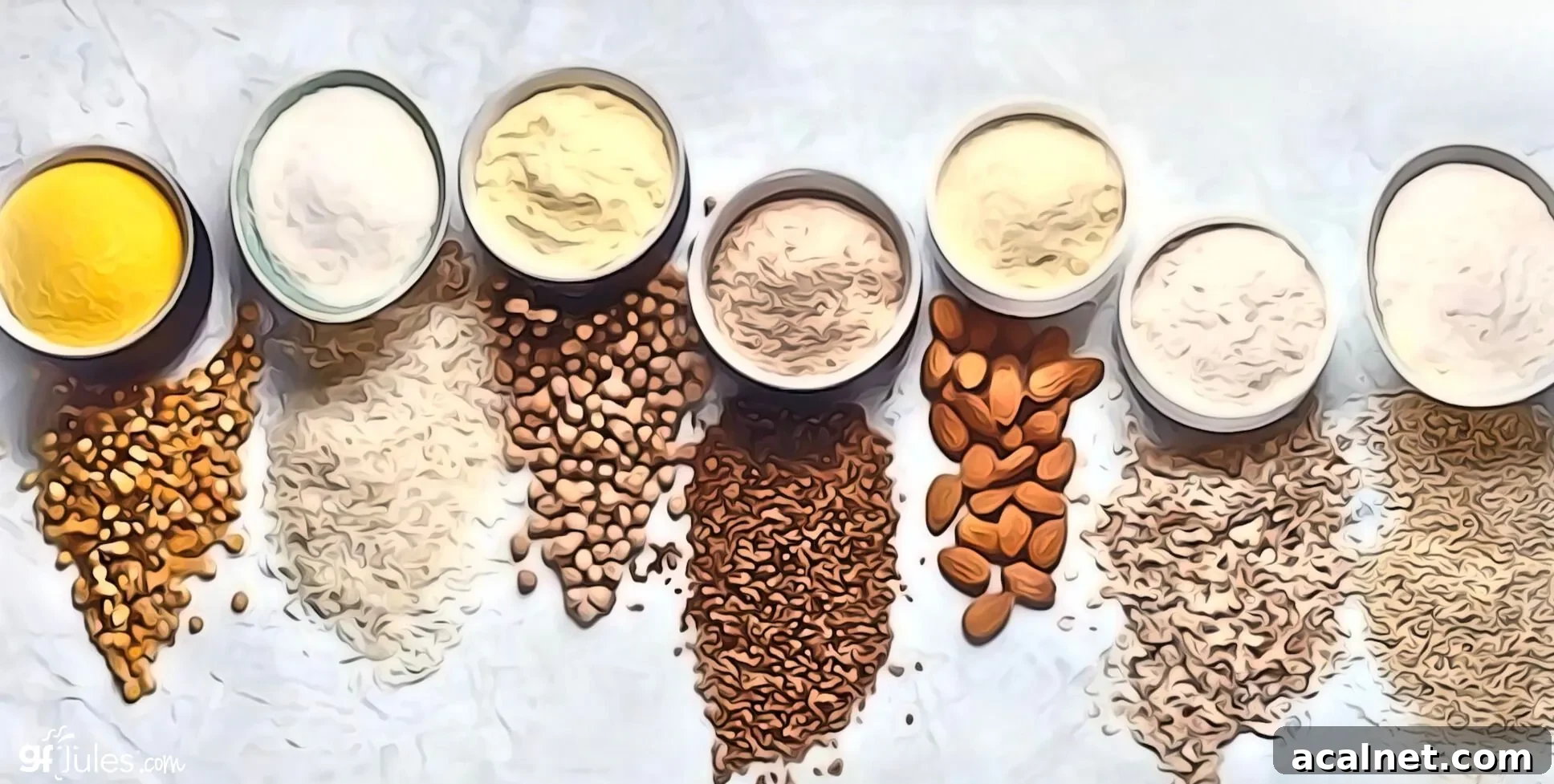
There are many gluten-free flours—more than gluten-containing ones—which offers variety but also means recipes calling for specific flours often expect particular characteristics. Flours generally fall into three categories:
- Whole-grain or pseudo-grain flours (brown rice, teff, amaranth, quinoa, buckwheat, millet, sorghum, oat) that are denser and more flavorful.
- Light starches (potato starch, tapioca starch, sweet white rice flour, corn starch, arrowroot) that help lighten texture.
- Niche flours derived from nuts, seeds or other plants (almond flour, coconut flour, chickpea flour, mesquite) that can affect moisture and flavor strongly.
When substituting, match categories—whole-grain for whole-grain, starch for starch. If baked goods are dense, add more starch; if breads collapse, increase supportive whole-grain flours. Some flours (coconut, whole potato flour) absorb extra moisture and require more liquid; rice-heavy blends can produce a gritty, dry result.
Pre-made all-purpose gluten-free flour
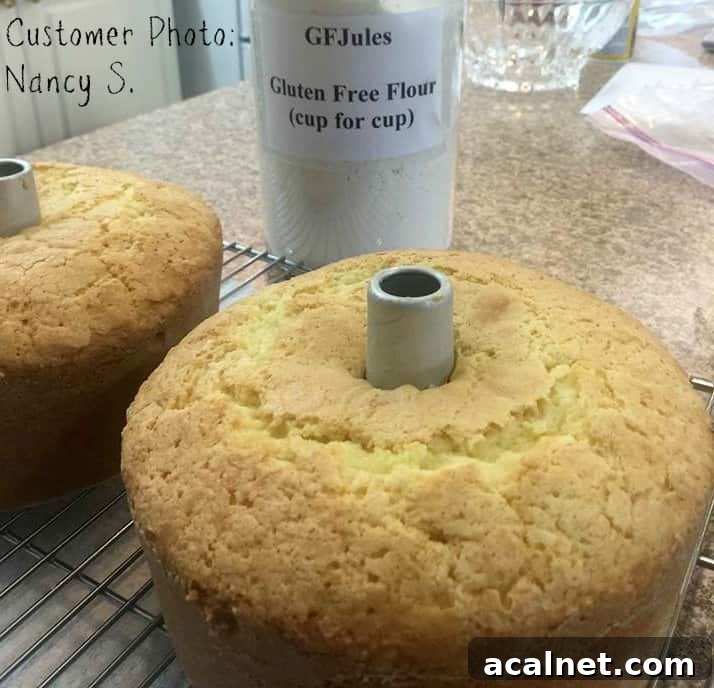
If you don’t want to mix your own blend each time, a high-quality pre-made all-purpose gluten-free flour is the easiest route. A carefully formulated blend uses specific modified starches and flours to produce consistent texture, better shelf life and improved flavor without requiring obscure ingredients at home.
Pre-made blends are especially useful when converting tried-and-true family recipes; they allow you to substitute cup-for-cup in many cases and still get tender cakes, muffins, cookies and quick breads.
Measuring flour correctly
Accurate measuring is vital in gluten-free baking. Use proper measuring tools: dry measuring cups for dry ingredients and liquid measuring cups for liquids. For dry ingredients, spoon the flour into the cup and level off with a knife rather than scooping directly from the bag, which can compact the flour and add up to 25% more than intended.
Even better, weigh your flour with a kitchen scale. Weights are more consistent and eliminate variation between brands and how cups are filled. For example, a well-balanced gluten-free blend may weigh around 135 grams per cup—check your specific blend for exact weight.
How to make gluten-free cake flour
Wheat-based cake flour is low in protein and higher in starch, producing lighter cakes. To adapt an all-purpose gluten-free blend to mimic cake flour, remove 2 tablespoons of the blend per cup and replace with 2 tablespoons of gluten-free cornstarch. This lowers protein and increases starch for a tender crumb.
How to make gluten-free self-rising flour
To make gluten-free self-rising flour:
- 1 cup all-purpose gluten-free flour
- 1 1/2 teaspoons baking powder
- 1/4 teaspoon salt
Whisk together and store in a sealed container for recipes that call for self-rising flour.
Homemade gluten-free baking-mix (Bisquick-style)
- 1 1/2 cups all-purpose gluten-free flour
- 4 tablespoons dry milk powder or coconut milk powder
- 1 1/2 teaspoons baking powder
- 1/2 teaspoon baking soda
- 1/2 teaspoon salt
For a biscuit-like mix, add 1/3 cup cubed shortening and cut it in until the texture resembles small pebbles. Store refrigerated or use immediately if using butter.
Extra leavening and yeast tips
- When converting quick-bread or muffin recipes, increasing baking powder by 1/2 to 1 teaspoon can help create lift. Keep notes on adjustments for repeatable results.
- In yeast bread recipes, a small amount of acid—such as 2 teaspoons apple cider vinegar—can improve yeast activation and structure.
- Always check that baking soda and baking powder are fresh. Opened baking powder is best used within 3–6 months; baking soda within about 6 months.
With a reliable all-purpose gluten-free flour, careful measuring, and a few targeted adjustments, you can convert many traditional recipes successfully and enjoy baked goods that are tender, tasty and consistent every time.