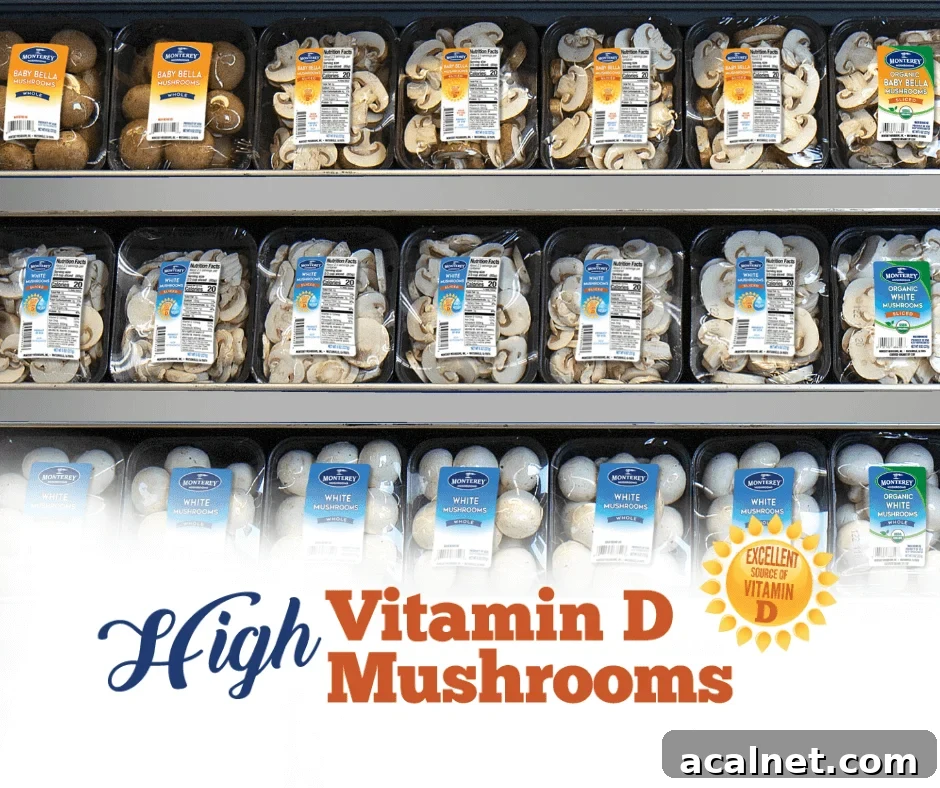
This post is sponsored by Monterey Mushrooms®.
The Importance of Vitamin D
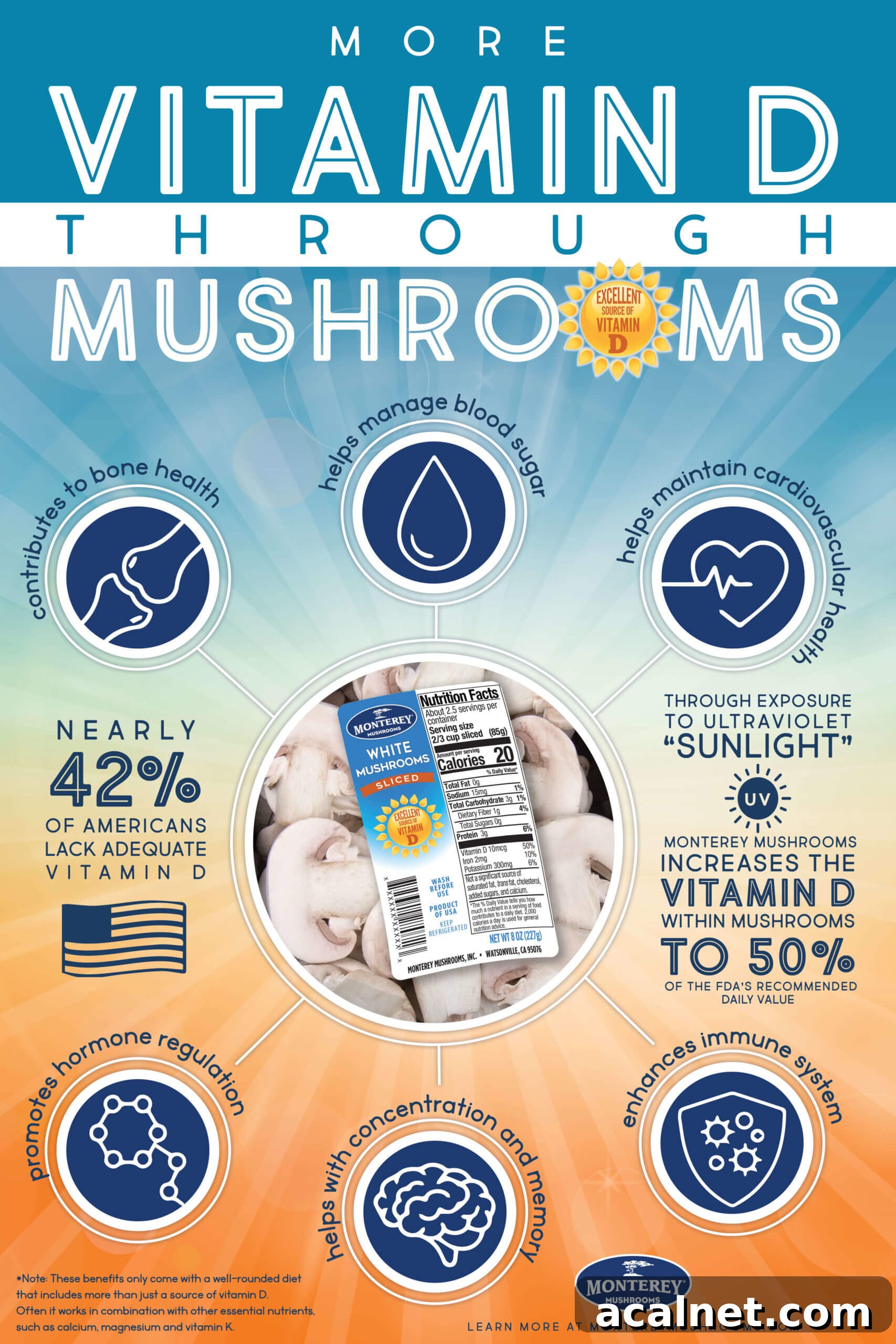
Vitamin D is unique because our bodies can produce it naturally when skin is exposed to sunlight. It plays a vital role in maintaining bone strength, supporting cardiovascular health, and regulating hormones. Adequate vitamin D helps control blood sugar, supports the immune system, and contributes to focus and memory.
Vitamin D Deficiency: A Growing Problem
Modern lifestyles often limit our exposure to natural sunlight. More time indoors, combined with sun protection measures like sunscreen and UV-blocking clothing, reduces the body’s opportunity to produce vitamin D. As a result, many people don’t get enough: over 40% of Americans show vitamin D deficiency. Rates are higher among people with darker skin tones because increased melanin reduces vitamin D synthesis from sunlight.
Insufficient vitamin D can raise the risk of developing certain conditions, including type 1 diabetes, some cancers, and bone or muscle pain. Common signs of deficiency include fatigue, low mood, muscle cramps, and frequent illness. If you suspect a deficiency, consult your doctor — a simple blood test can determine your vitamin D levels.
Increasing Vitamin D with Mushrooms
One effective dietary source of vitamin D is mushrooms, especially those specially treated to enhance their vitamin D content. Most mushrooms are grown indoors in low light and contain little vitamin D. Monterey Mushrooms® collaborated with the U.S. Department of Agriculture to develop an indoor process that exposes mushrooms to a specific wavelength of light, similar to sunlight. The mushrooms’ tissues respond by converting ergosterol into vitamin D.
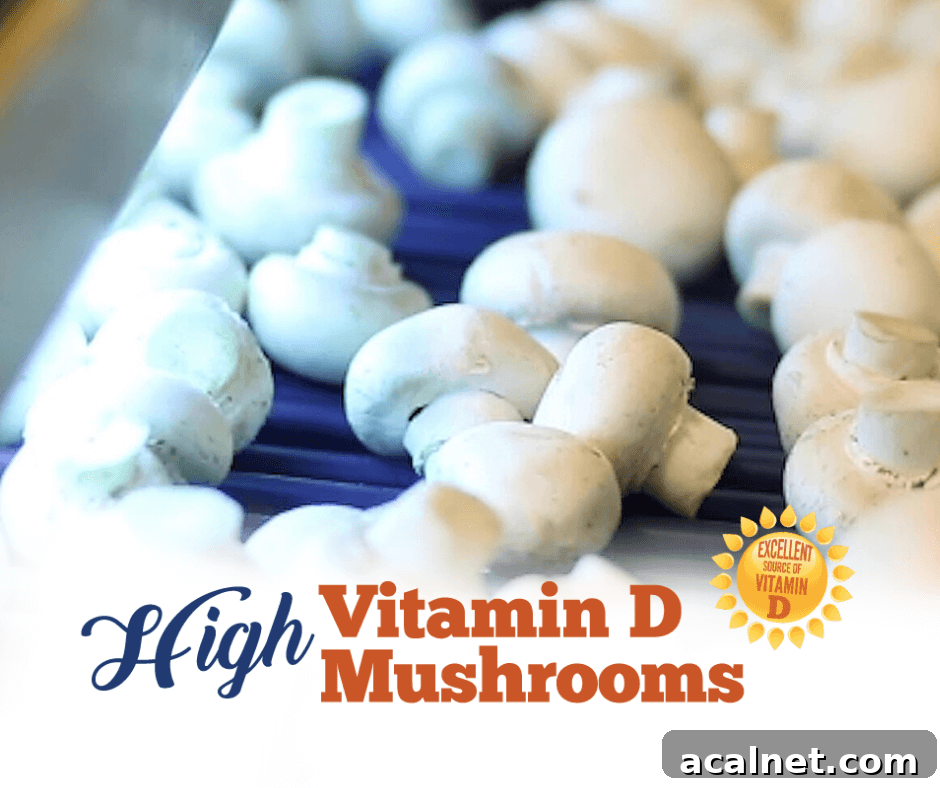
As a result, mushrooms labeled “High Vitamin D” from Monterey Mushrooms® provide a meaningful amount of vitamin D. For many people, eating about a dozen medium-sized “High Vitamin D” mushrooms can meet the recommended daily intake. Monterey achieves this boost using a proprietary light treatment and does not add supplements, chemicals, or other additives to the mushrooms.
If you want to incorporate more vitamin D from food, try cooking with these mushrooms. They work well in sautés, omelets, soups, salads, and grain bowls, adding both flavor and nutrition.
Vitamin D Mushrooms on the Podcast
In episode 81 of The Produce Moms Podcast, Lindsey Occhipinti, marketing manager at Monterey Mushrooms, describes the post-harvest process that increases the mushrooms’ vitamin D. The technique exposes mushrooms during packaging to a precise ultraviolet wavelength, converting ergosterol into vitamin D and producing the high vitamin D levels found in the finished product. For more details, refer to the podcast episode linked on The Produce Moms site.
Want to learn more? Download Monterey Mushrooms® free eBook: Everything You Need To Know About High Vitamin D Mushrooms
A Special Note for Vegetarians and Vegans
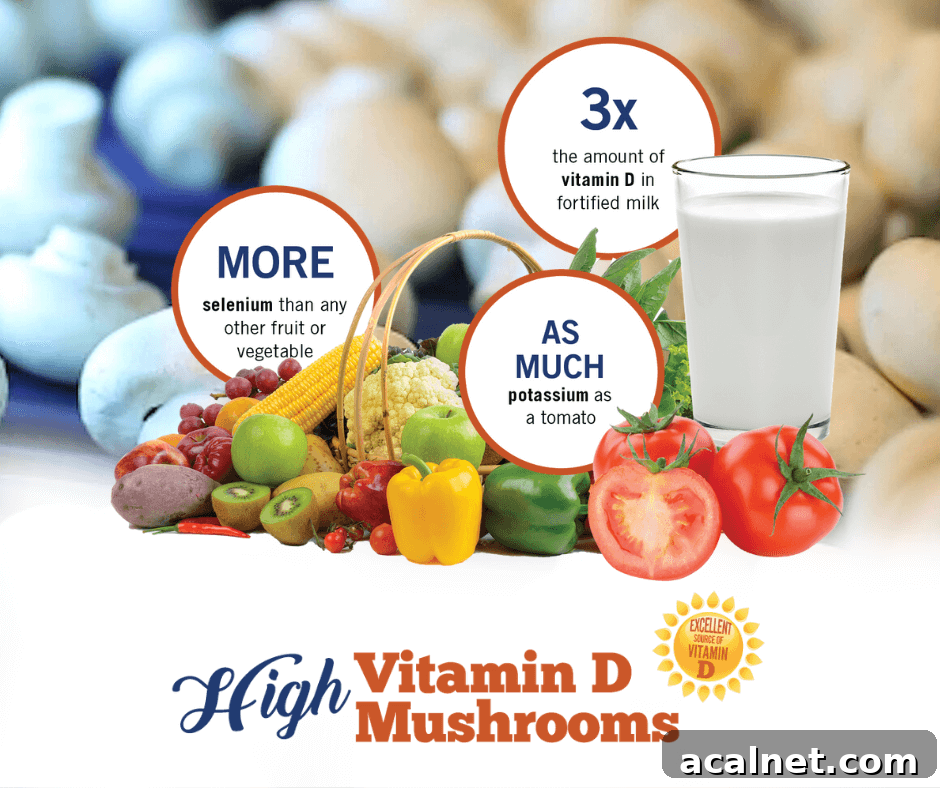
High Vitamin D mushrooms are a notable produce-department source of vitamin D. Most fruits and vegetables lack the tissue structure that allows vitamin D synthesis, so mushrooms are uncommon among plant foods in this regard. For vegetarians and vegans—who may not consume meat, fish, or dairy, which are typical vitamin D sources—these mushrooms can be an especially valuable addition to the diet.
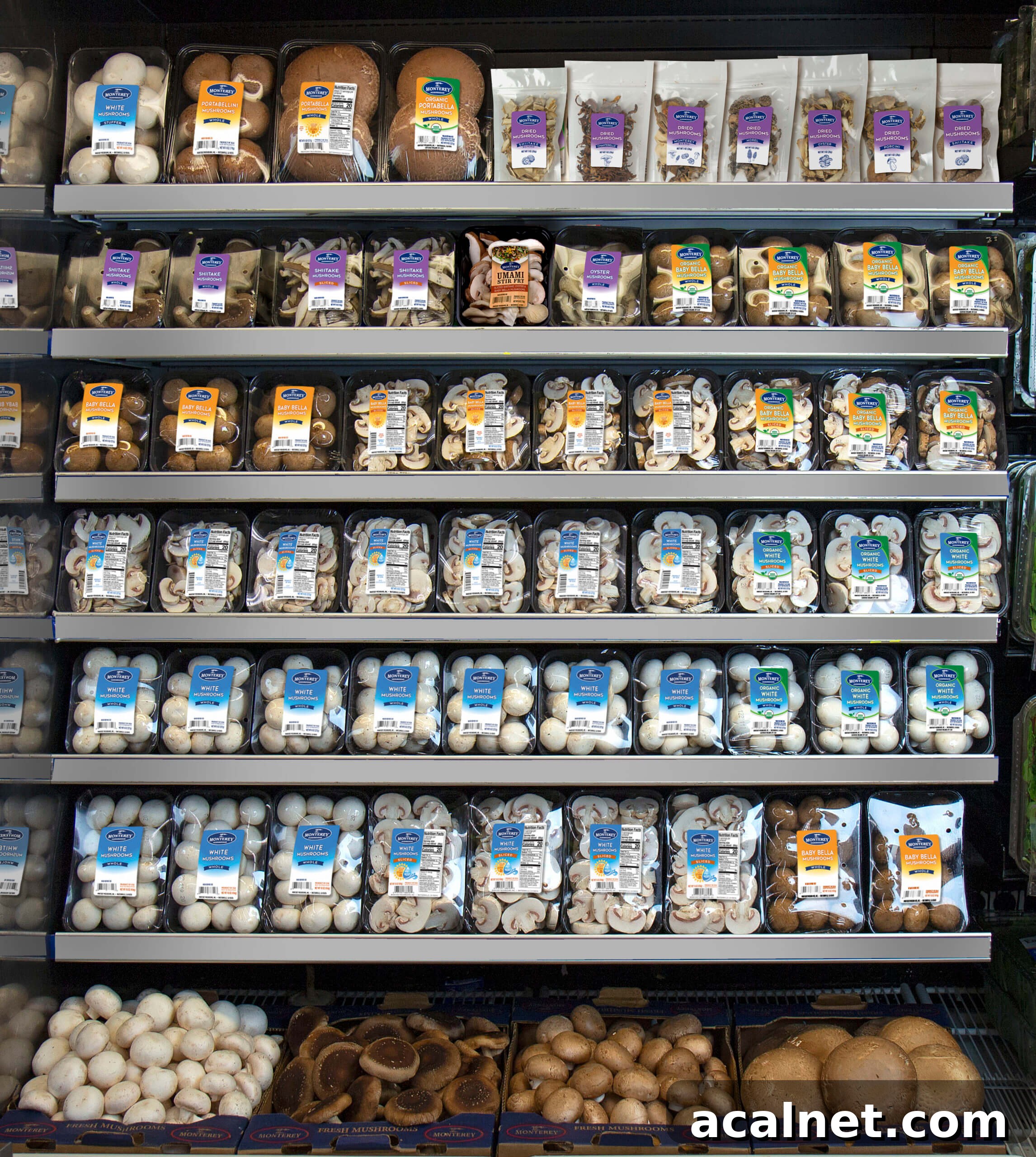
Look for High Vitamin D mushrooms from Monterey® Mushrooms at your local grocery store.