Avocados are a versatile, delicious fruit that many of us treat as a special ingredient rather than a daily staple. They’re easy to incorporate into meals and add a creamy, rich texture to salads, sandwiches, dips, and more.
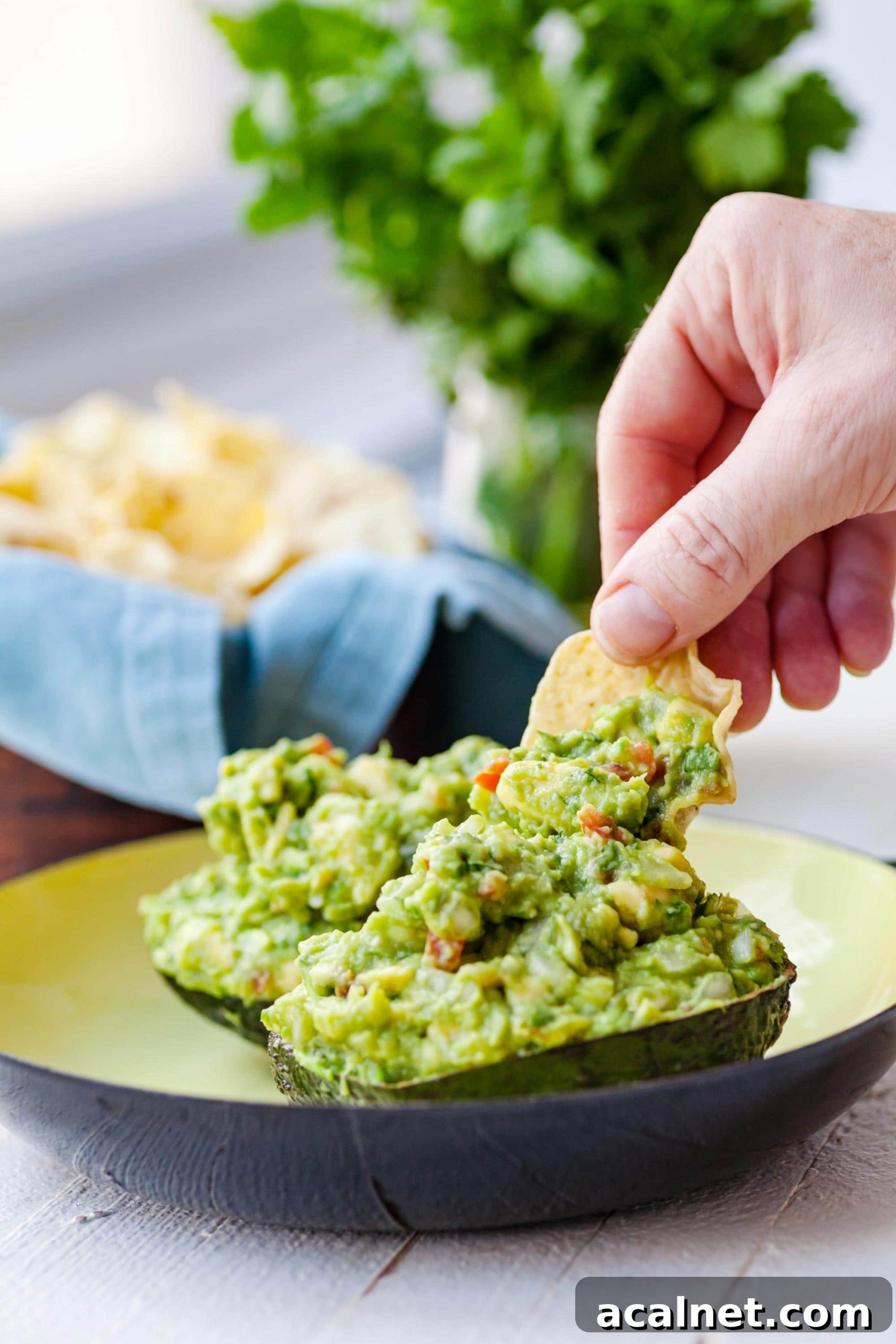
Avocado complements nearly everything. It’s fantastic on a California BLT or blended into guacamole. Try it in salads like Avocado Salad with Creamy Miso Dressing, Salmon, Arugula, and Avocado Salad, or Sesame-Honey Quinoa and Carrot Salad with Sliced Avocado. Avocado also makes a great topping for nachos, fish tacos, loaded potato skins, and chicken taco salad, and it can be pureed into dressings such as Avocado Ranch or Creamy Avocado Dressing.
- The Two Main Kinds of Avocados
- Where to Find Avocados
- How to Know If Your Avocado Is Ripe
- How to Speed Up the Ripening of An Avocado
- How to Prep Avocado
- How to Cut Avocado into Perfect Cubes or Slices
- How to Keep Cut Avocados From Turning Brown
- FAQs
- Avocado Recipes
- What to Serve With Avocado
- How to Prepare and Cut Avocados Recipe
The Two Main Kinds of Avocados
There are hundreds of avocado varieties, but two types dominate American markets. At farmers markets you may find more varieties — don’t hesitate to ask the grower what type you’re buying.
Hass avocados are the most common. They account for the majority of avocados sold in the U.S. and worldwide. Hass fruit typically has a pebbly, darker skin, a smaller size, and a rich, creamy, buttery flavor and texture. Their season runs from spring through fall.
Florida-style avocados are larger and often have bright green skin. They can be less dense and slightly more watery in texture, with a milder flavor than Hass avocados.
Where to Find Avocados
Most supermarket avocados come from Mexico, California, and Florida. When buying, choose stores with high produce turnover and a good reputation for handling fruit; many markets will accept returns for poorly handled or damaged produce.
How to Know If Your Avocado Is Ripe
Because ripeness can vary, buy an extra avocado or two when possible. For Hass avocados, look for dark, nearly black-green skin rather than bright green. Gently press the fruit — it should give slightly but not feel mushy. Avoid fruit with loose skin, deep bruises, or signs of decay.
The same gentle-squeeze test applies to other varieties: press the whole fruit rather than poking the flesh directly to avoid bruising.
How to Speed Up the Ripening of An Avocado
Ripen avocados at room temperature on the counter. Once ripe, store them in the refrigerator to slow further softening and extend freshness by a few days.
To accelerate ripening, place avocados in a brown paper bag and fold the top closed. Adding an ethylene-producing fruit like a banana, apple, or kiwi will speed the process — the more of these fruits, the faster the avocados will ripen.
How to Ripen an Avocado in the Microwave
Microwaving softens an avocado but doesn’t truly ripen it, and the flavor may be less rich. If you’re in a pinch, halve the avocado, remove the pit, place cut-side down on a microwave-safe plate, and heat for 30–45 seconds. Use promptly.
How to Ripen an Avocado in the Oven
Oven heating also softens rather than ripens. Wrap a whole avocado in foil and warm in a 200°F (about 95°C) oven for 10 minutes, then check every 5 minutes until it reaches slight softness. Let it cool before cutting.
For more on ripening stages, consult authoritative avocado resources.
How to Prep Avocado
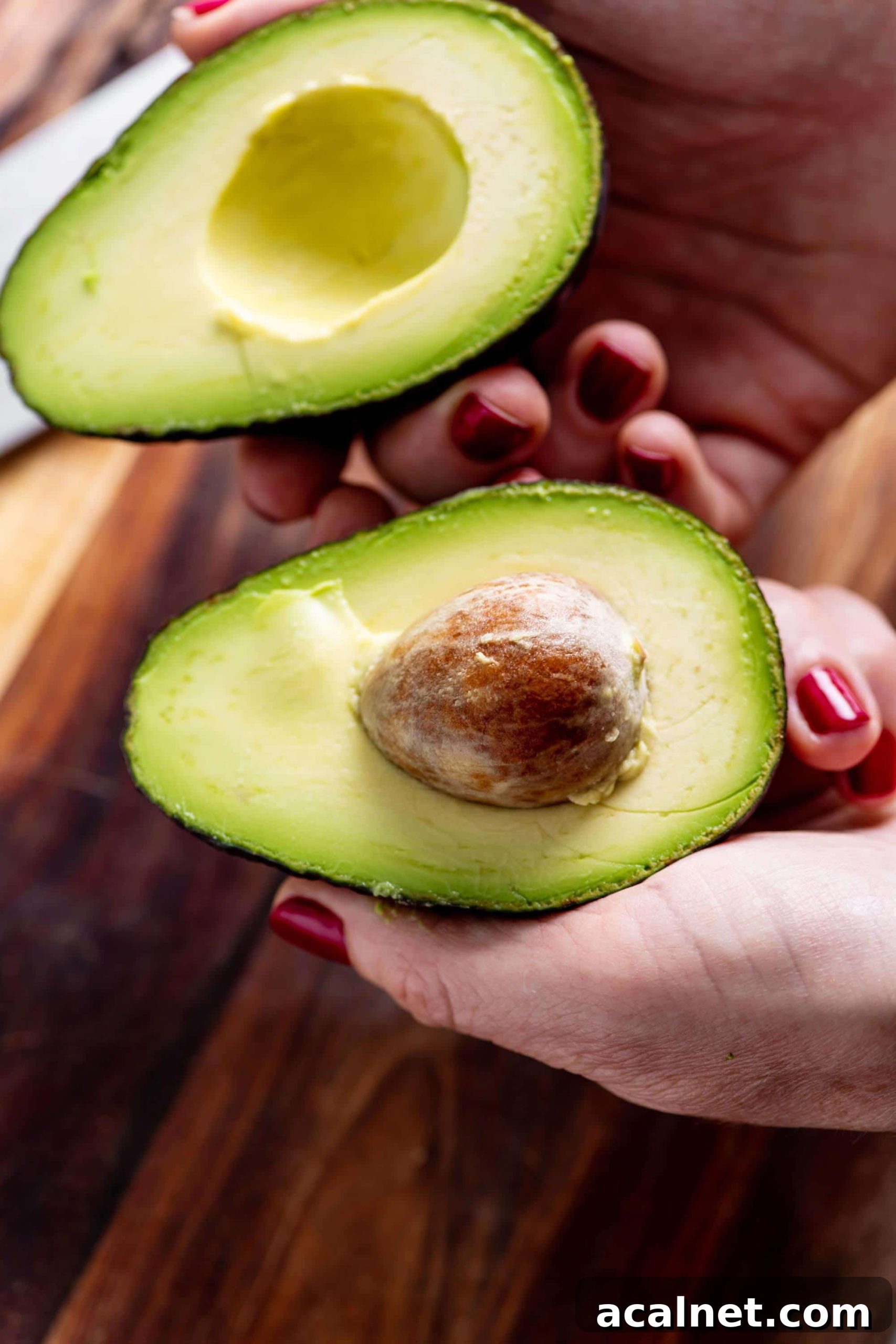
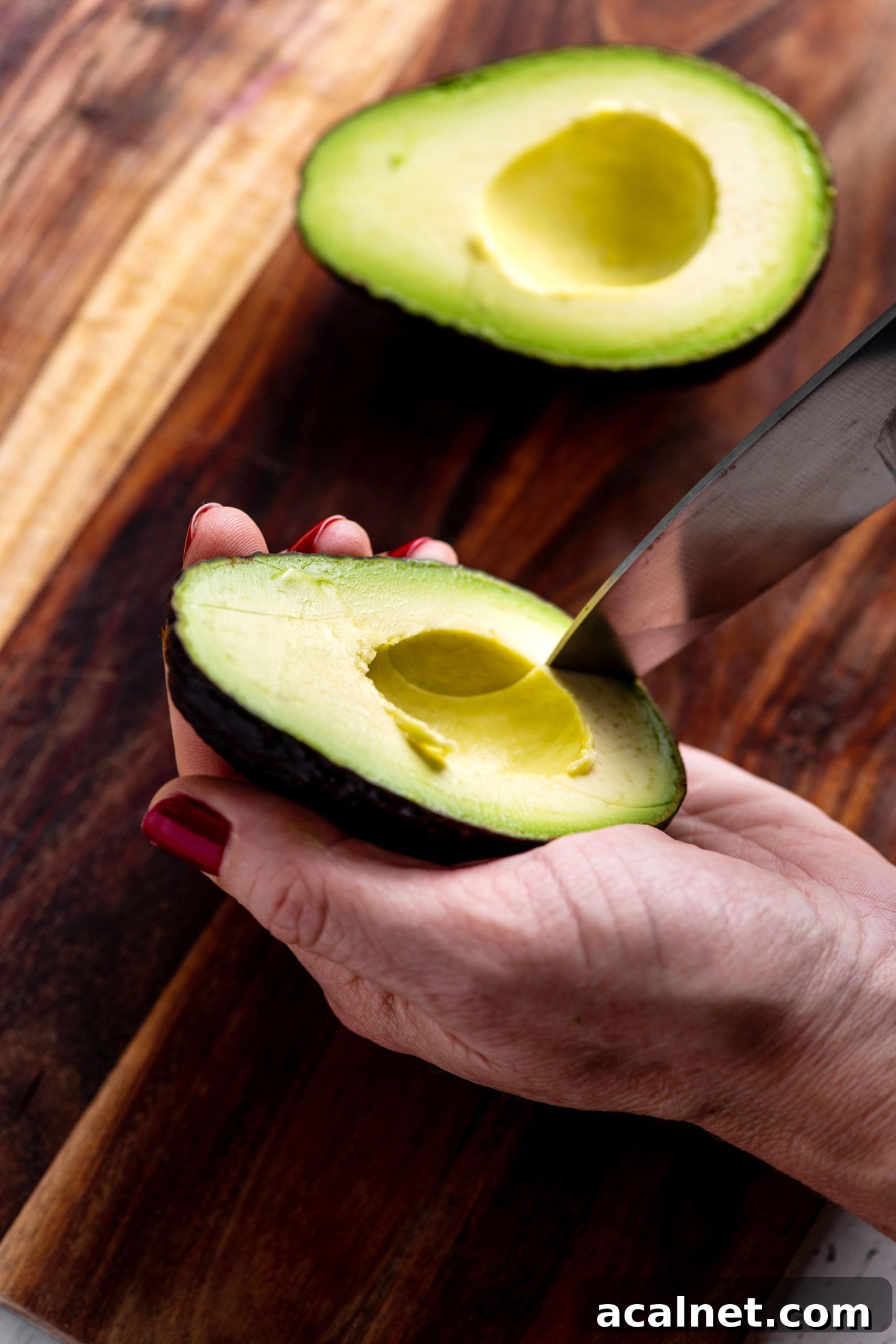
- Cut the avocado in half: Hold the fruit in your non-dominant hand. Using a very sharp knife, slice lengthwise from stem to bottom and twist the halves to separate them.
- Scoop out the pit: Use a spoon to remove the pit if you prefer a safe, easy method.
- Or remove the pit with a knife: If you have confident knife skills, carefully embed the knife blade into the pit, twist to lift it out, and remove the pit from the blade. Use caution to avoid injury.
How to Cut Avocado into Perfect Cubes or Slices
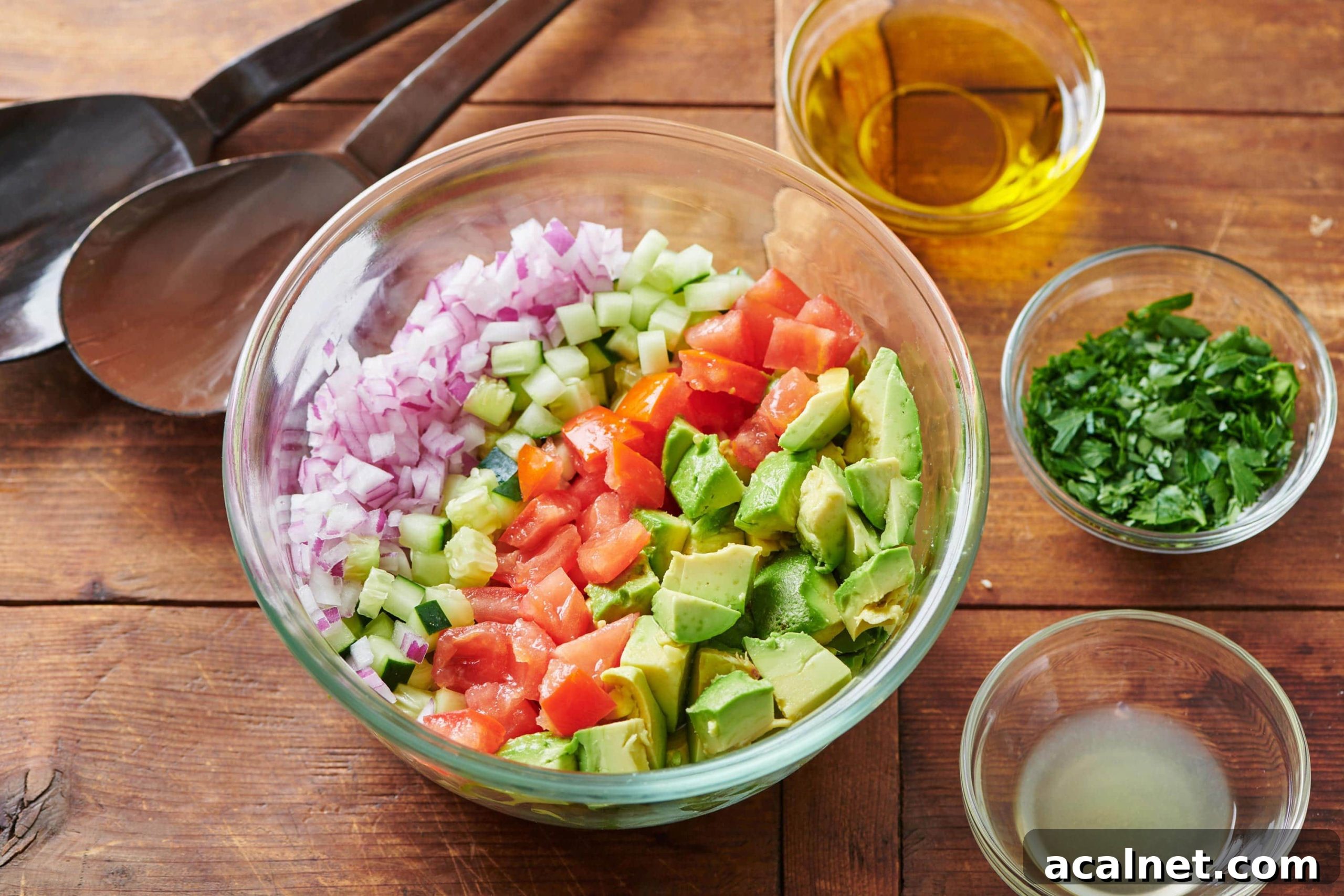
If you’re making guacamole or a spread, simply scoop the flesh with a spoon. For neat cubes or slices, use one of these two methods:
How to Slice Avocado in its Shell
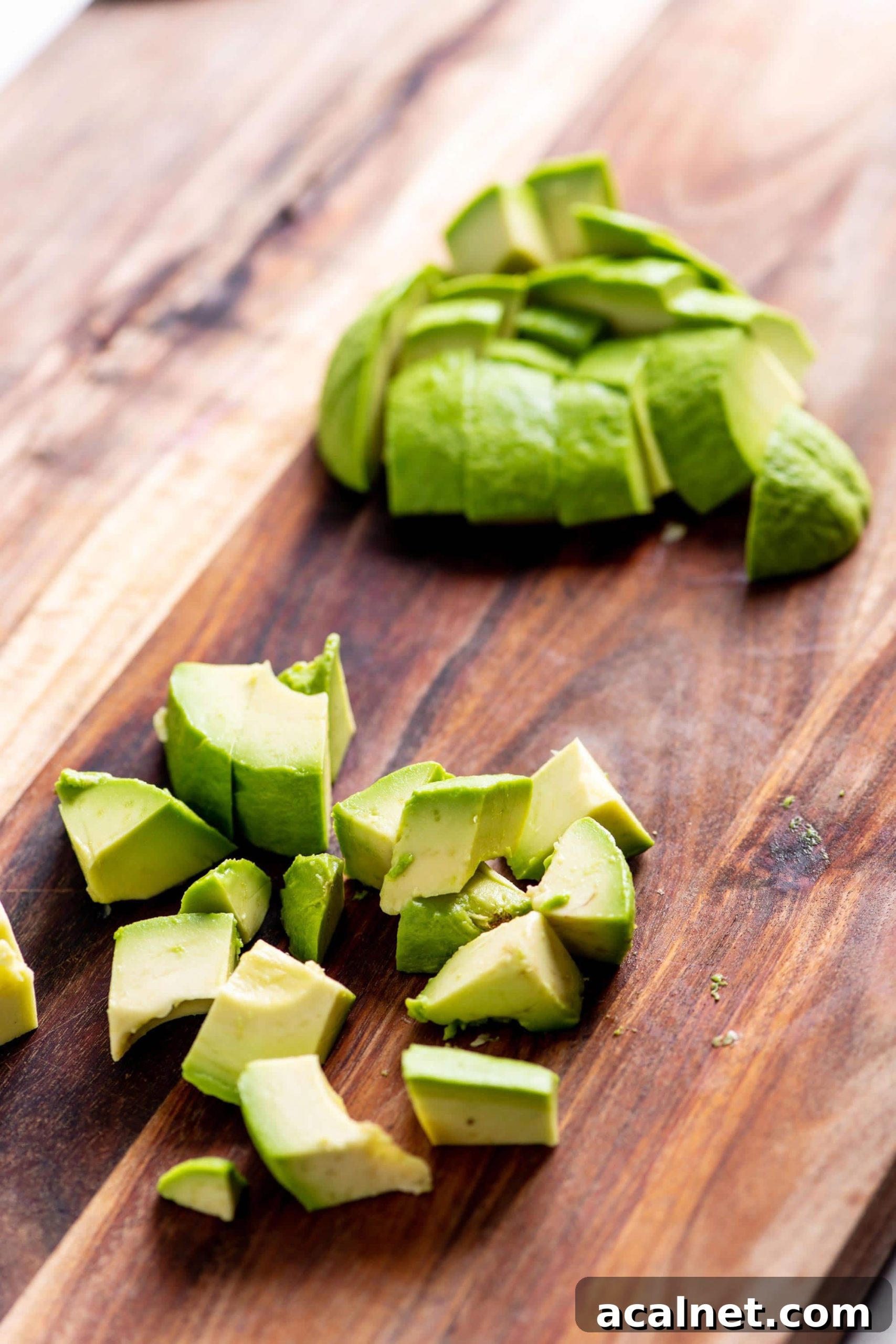
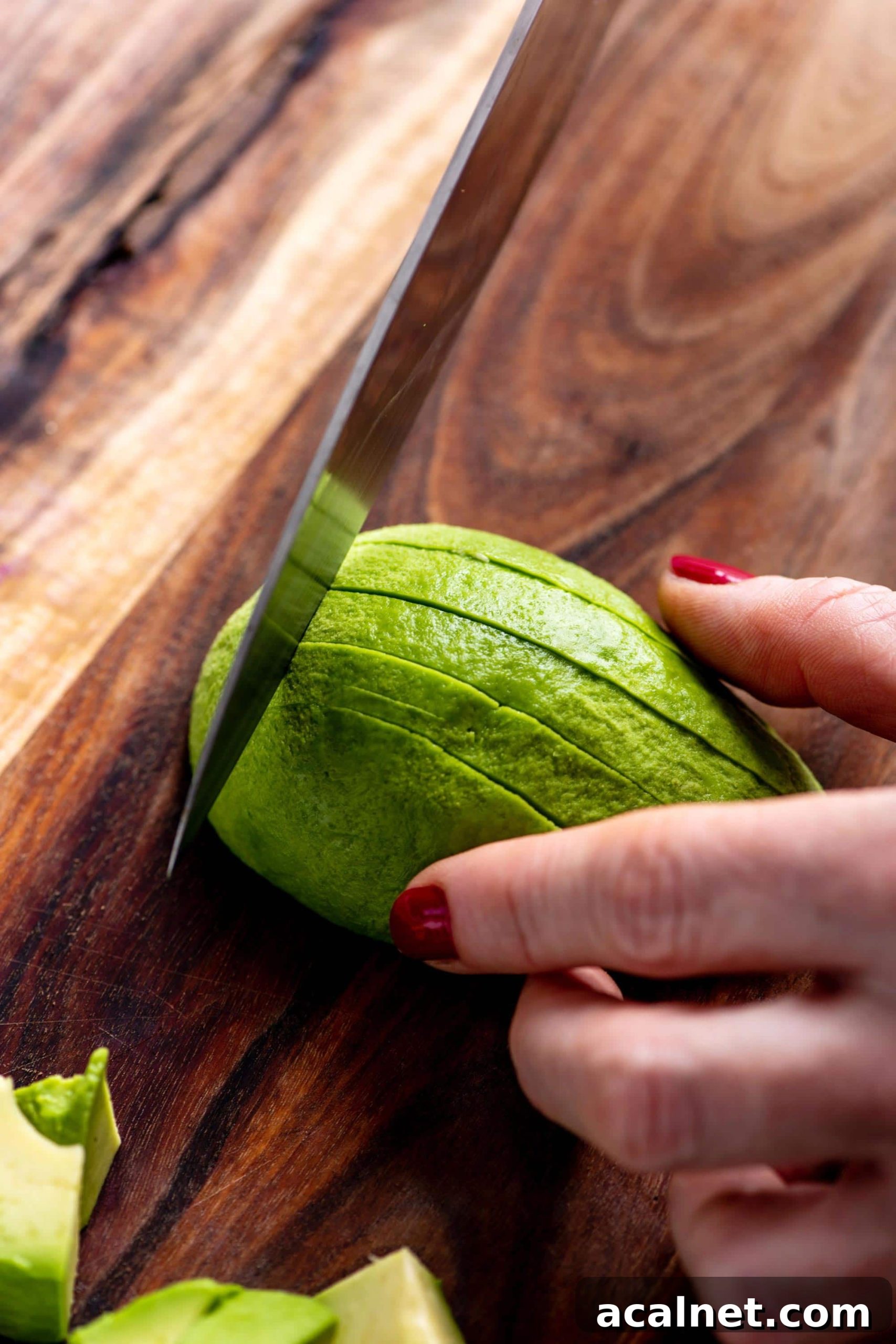
With the avocado half still in its skin, score the flesh in a grid pattern down to the skin using a knife. Then scoop out the cubes with a spoon or gently peel the skin away so the cubes remain intact.
How to Slice Avocado on a Cutting Board
For the cleanest presentation, peel the avocado half and place it flesh-side down on a cutting board. Slice or cube the flesh with a knife to the size your recipe requires.
How to Keep Cut Avocados From Turning Brown
Exposure to air causes enzymatic browning. To preserve cut avocado, only slice what you will use immediately and keep the remaining half with the pit still in place. Other options include:
- Press plastic wrap directly onto the exposed flesh and refrigerate; this keeps it fresh for a couple of days.
- Place the cut avocado over chopped onions in a sealed container; the onion’s vapors help slow browning.
- Brush the exposed surface with olive oil or citrus juice (lemon or lime) to create a protective layer and slow oxidation.
- For longer storage before use, blanching peeled avocado is another option.
FAQs
Cut out the brown or fibrous sections and use the remaining green flesh. These defects often result from rough handling or exposure to cold temperatures.
Yes. Botanically, an avocado is a fruit — specifically a type of berry.
Yes. Avocados are rich in monounsaturated and polyunsaturated fats, fiber, and several vitamins and minerals. They contain no cholesterol and are naturally low in sodium. A portion of avocado provides healthy fats and nutrients as part of a balanced diet.
Hass is the most popular and widely available variety, prized for its creamy texture and rich flavor. Florida-style avocados are larger and milder, so which is “best” depends on your preference.
Yellowish areas usually indicate overripeness. The fruit is still edible in many cases, but avoid very mushy sections or obvious brown spots.
Avocado Recipes
Cowboy Caviar
Salmon, Arugula, and Avocado Salad
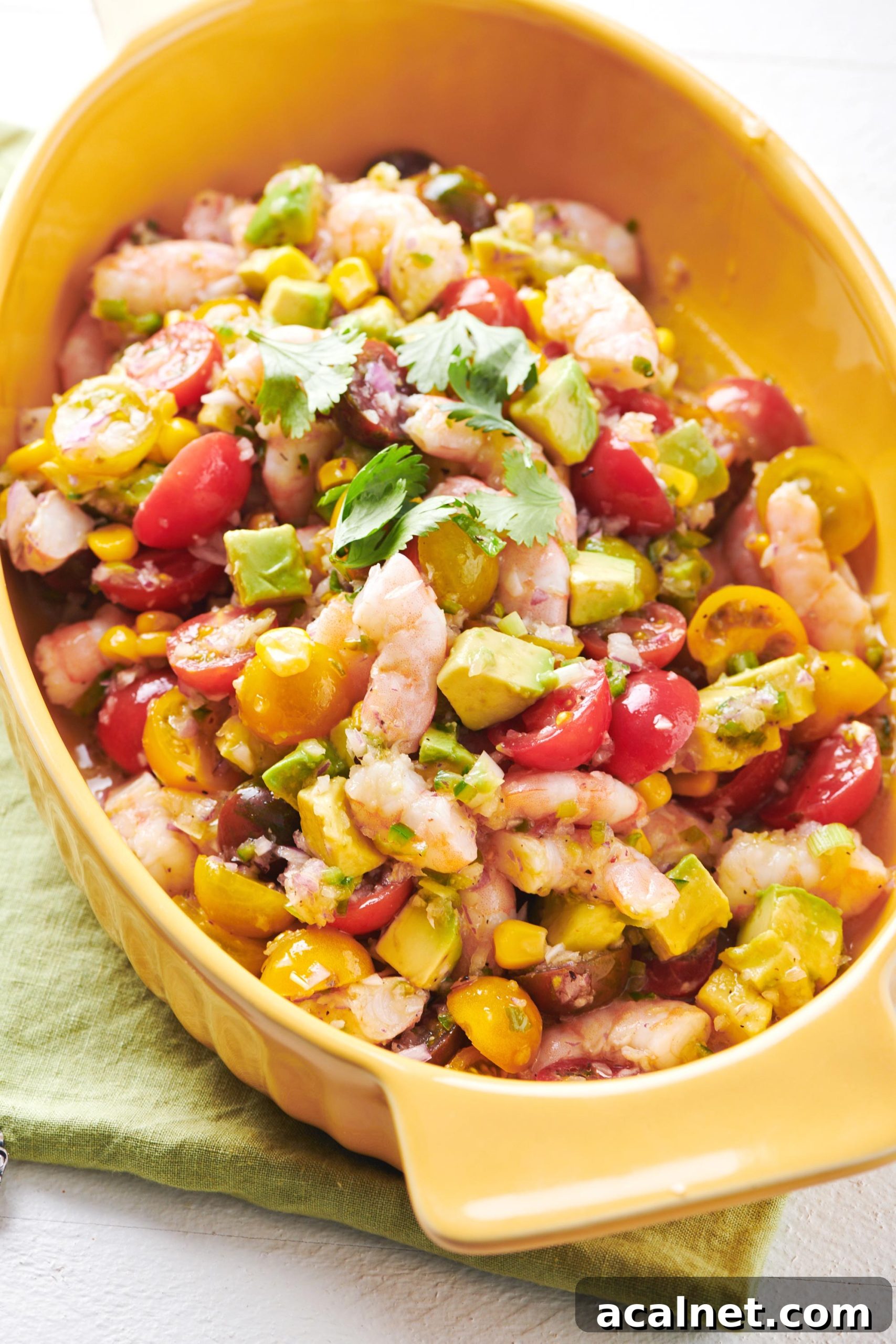
Shrimp Ceviche
What to Serve With Avocado
Shrimp and Corn Salad
Avocado Chicken Salad
Sesame-Honey Quinoa and Carrot Salad with Sliced Avocado
Pin this now to find it later
Pin It
How to Prepare and Cut Avocados
Video
Ingredients
- Avocado
- Olive oil (or lemon or lime juice, if desired)
Instructions
-
Hold the avocado in your non-dominant hand. Use a very sharp knife to cut it lengthwise from stem to bottom, then twist to separate the halves.
-
Remove the pit by scooping it out with a spoon or, if you are skilled with a knife, carefully embed the blade into the pit, twist to lift it, and remove it from the blade. Exercise caution to avoid injury.
-
Slice or cube the avocado as desired. If not using immediately, coat the exposed flesh with olive oil or lemon or lime juice to slow browning.
Notes
To store a cut avocado, you can:
- Wrap the avocado tightly in plastic wrap with the wrap pressing directly on the exposed flesh; refrigerate for a couple of days.
- Place chopped onions in a small container and set the avocado cut-side up on the onions; seal and refrigerate for a few days.
- Brush the exposed flesh with olive oil or lemon or lime juice to slow browning.
- Blanch whole peeled fruit before using if you plan to store it longer before preparation.
Nutrition
Like this recipe? Rate and comment below!