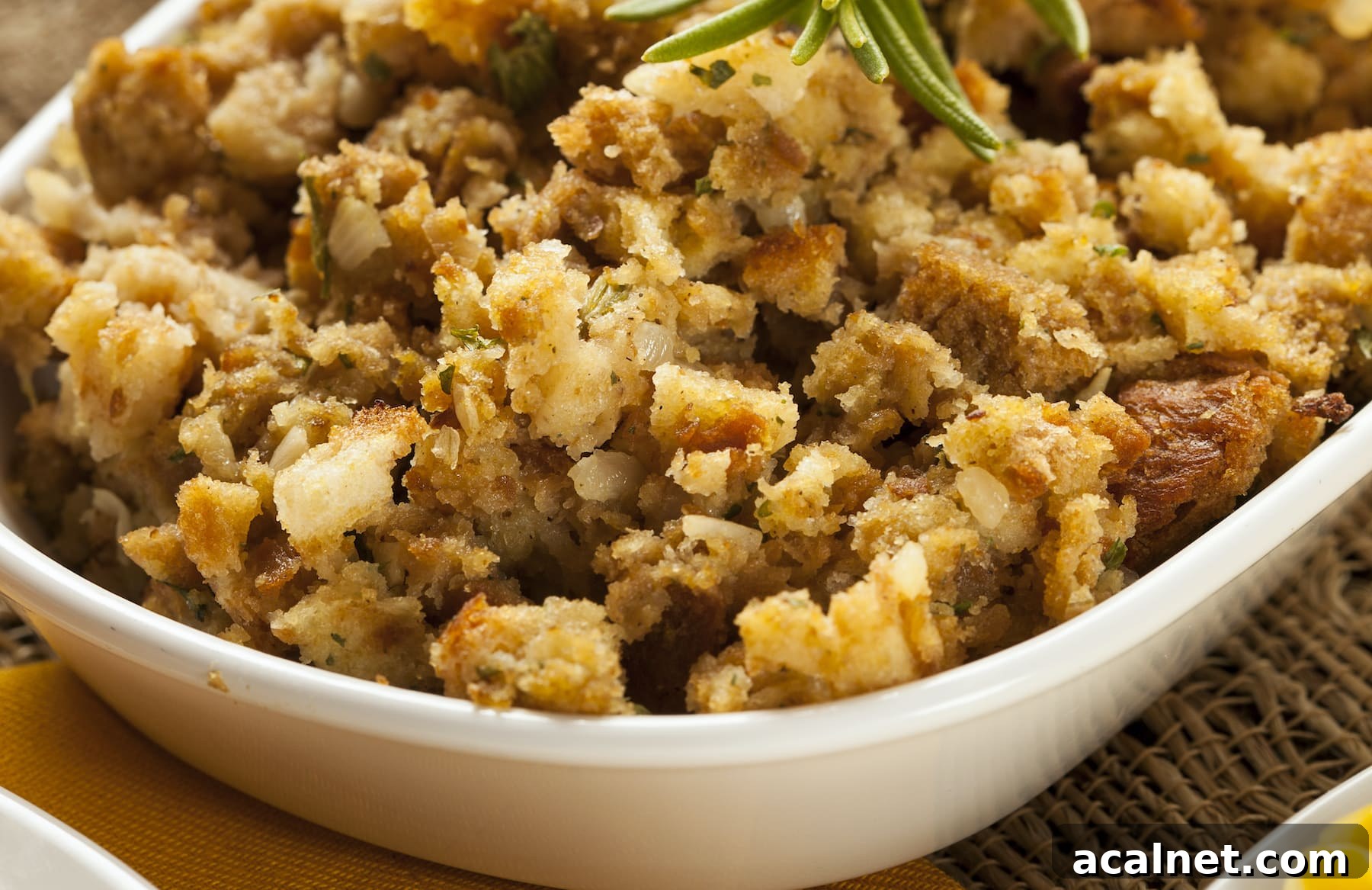
There’s something special about that first forkful of stuffing at a holiday meal. All the savory flavors from the table seem to meet in that one bite. I make this Simple Homemade Stuffing when I want a classic, comforting side—its flavor takes me back to childhood Thanksgivings. While I sometimes prepare more elaborate versions with sausage, apples, or cranberries, this straightforward French bread dressing is my favorite alongside a roast turkey or prime rib.
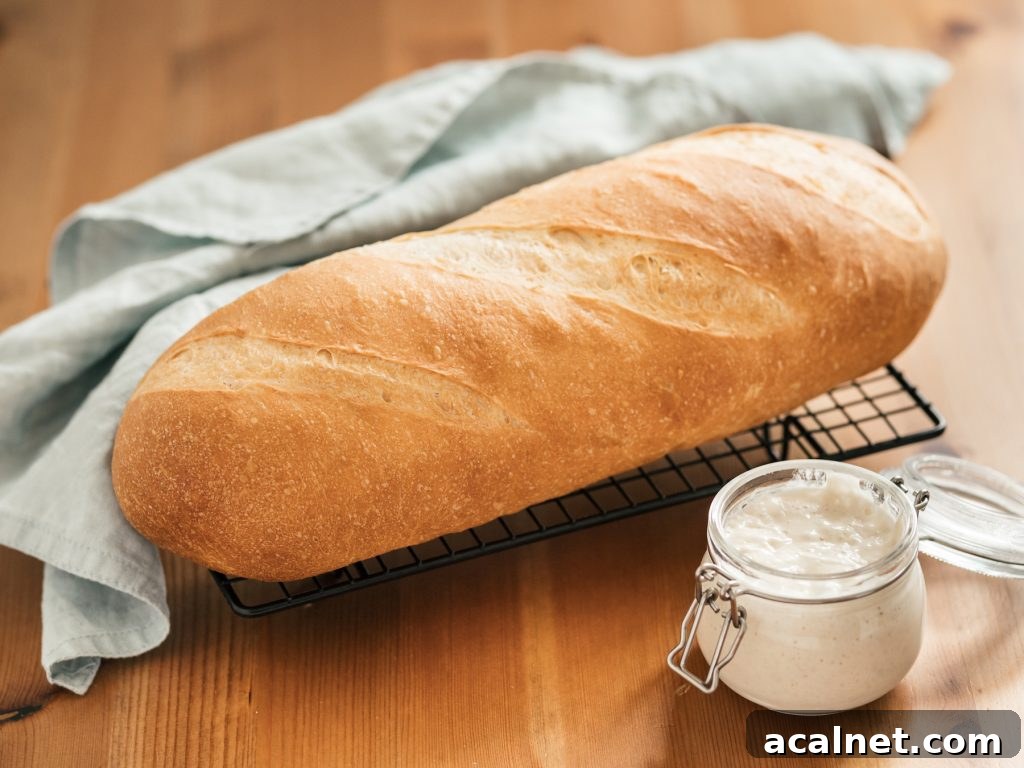
This recipe starts with a day-old loaf of French bread from the bakery. If you can’t find a suitable loaf, 1½ baguettes usually provide the same volume. I buy the bread a couple of days ahead, cube it, and dry it the day before making the stuffing. You can dry the bread the same day, but it’s best to let the cubes cool completely after drying.
You can substitute other breads, though the result will change with each choice. Sandwich white bread is the safest substitute for a similar texture; sourdough, bagels, or other loaves will create interesting variations. Avoid breads with nuts or seeds for a more consistent texture.
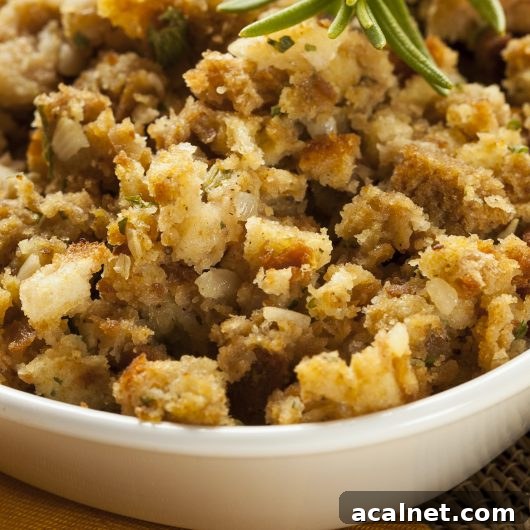
Simple Homemade Stuffing
This simple homemade French bread dressing delivers the savory, buttery flavor you remember from holiday dinners.
10
servings
40
minutes
40
minutes
Ingredients
-
1 loaf French bread, day-old (or 1½ loaves day-old baguette)
-
2-3 cups Chicken stock
-
1 cup Butter (2 sticks)
-
1 Onion, diced
-
4 stalks Celery, diced
-
1½ tablespoons Poultry seasoning
-
1 teaspoon Dried oregano
-
½ teaspoon Dried crushed rosemary
-
1 teaspoon Salt
-
Freshly ground black pepper, to taste
Dry bread
- Up to one day ahead, but at least 4 hours before making the stuffing, cut the French bread into bite-size cubes. Spread the pieces in a single layer on one or two parchment- or foil-lined baking sheets.
- Dry the bread in a 250°F (120°C) oven, stirring every 10–15 minutes, for 45–60 minutes or until very dry and crouton-like. Let the bread cool completely. If storing overnight, keep the dried cubes in paper bags.
- STUFFING
- Preheat oven to 350°F (175°C). Grease a large casserole or baking dish (about 9×13 inches) with softened butter.
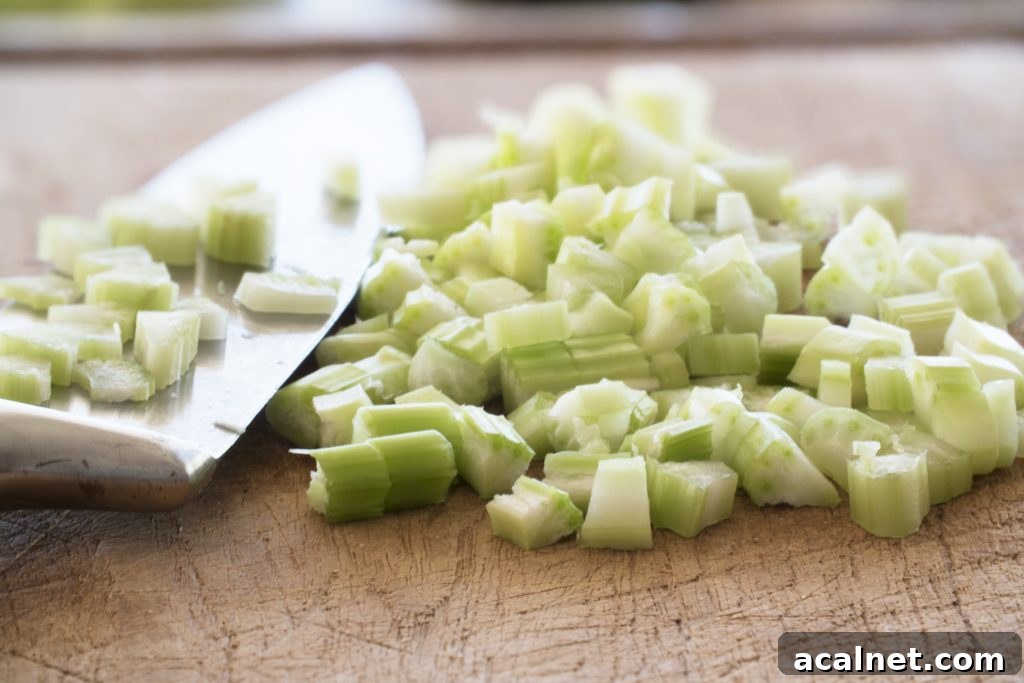
- Dice the onion and celery.
- In a sauté pan over low to medium-low heat, melt the butter—keep the temperature low so it doesn’t brown.
- Add the diced onion and celery, toss to coat, and cook 8–10 minutes until the onions are soft and translucent and the celery is tender, stirring occasionally.
- Stir in the poultry seasoning, oregano, rosemary, salt, and black pepper and cook over low heat 1–2 minutes to bloom the spices.
- Pour 2 cups of chicken stock into the pan, stir to combine, heat for 30–60 seconds, then remove from the heat.
- Place the dried bread cubes in a large mixing bowl.
- Pour the stock, butter, and vegetable mixture over the bread about 1 cup at a time, stirring between additions so the bread absorbs the liquid evenly.
- If the mixture seems too dry, add some or all of the remaining 1 cup of chicken stock until you reach your preferred moisture. Taste and adjust salt and pepper as needed.
- Transfer the stuffing to the prepared casserole, spread evenly, and press down slightly.
- Cover with foil and bake 30 minutes. Remove the foil and bake an additional 25–35 minutes until the top is golden and slightly dry. Serve warm.
Notes
- This recipe uses a minimum of 2 cups chicken stock; add more if your bread absorbs more liquid or you prefer a moister stuffing.
- Vegetable or turkey stock, or chicken broth made from bouillon, work well as substitutes. Avoid beef stock.
- Any bread can be used if thoroughly dried—results will vary depending on the type.
- If using a pre-seasoned store-bought dried bread mix, reduce additional seasonings to avoid over-salting.
- Seasonings are flexible: poultry seasoning is convenient, but a blend of dried sage and thyme can be used if preferred. Basil, parsley, or marjoram can replace oregano or rosemary.
- Butter gives the best flavor, but margarine or a neutral oil can be substituted if necessary; flavor will change accordingly.
A few final details: this recipe is written without eggs. I prefer the looser, traditional texture—egg-based versions tend toward a bread pudding consistency, which some people like. If you want an egg-bound stuffing, look for a recipe that includes eggs so proportions and cooking times are optimized.
Finally, although it’s called “stuffing,” this dish is technically a dressing because it is baked separately rather than stuffed into a bird. Many people use the terms interchangeably. For safety, do not stuff this mixture into a raw turkey or other meat: stuffing inside raw meat may not heat evenly and can retain undercooked juices when the meat reaches a safe internal temperature.