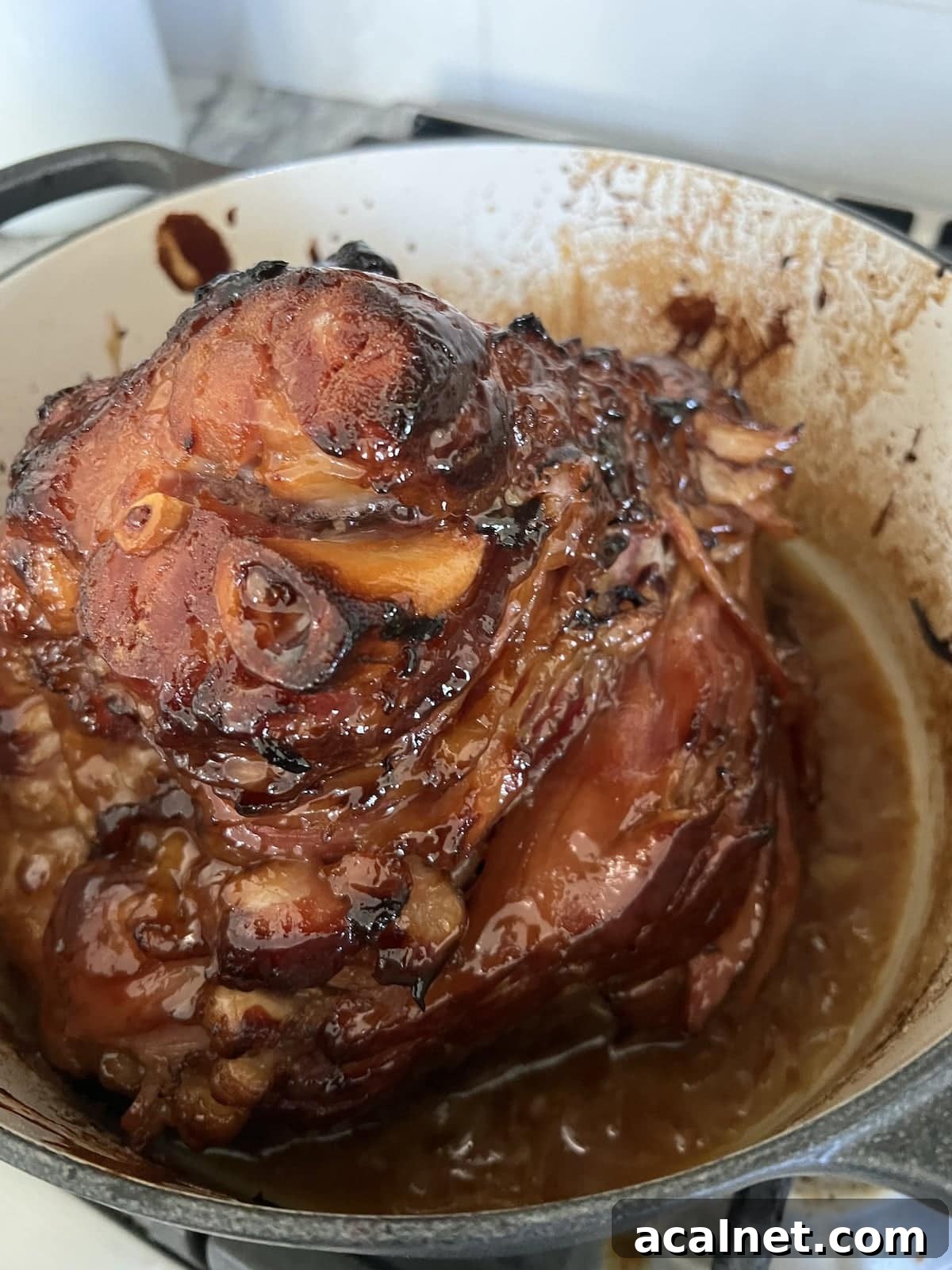
If you find yourself staring at a pile of leftover holiday ham and asking, “Can you refreeze ham after baking it?” the short answer is yes — with a few important caveats. Read on for practical, food-safe tips to keep your ham tasty and ready for later meals.
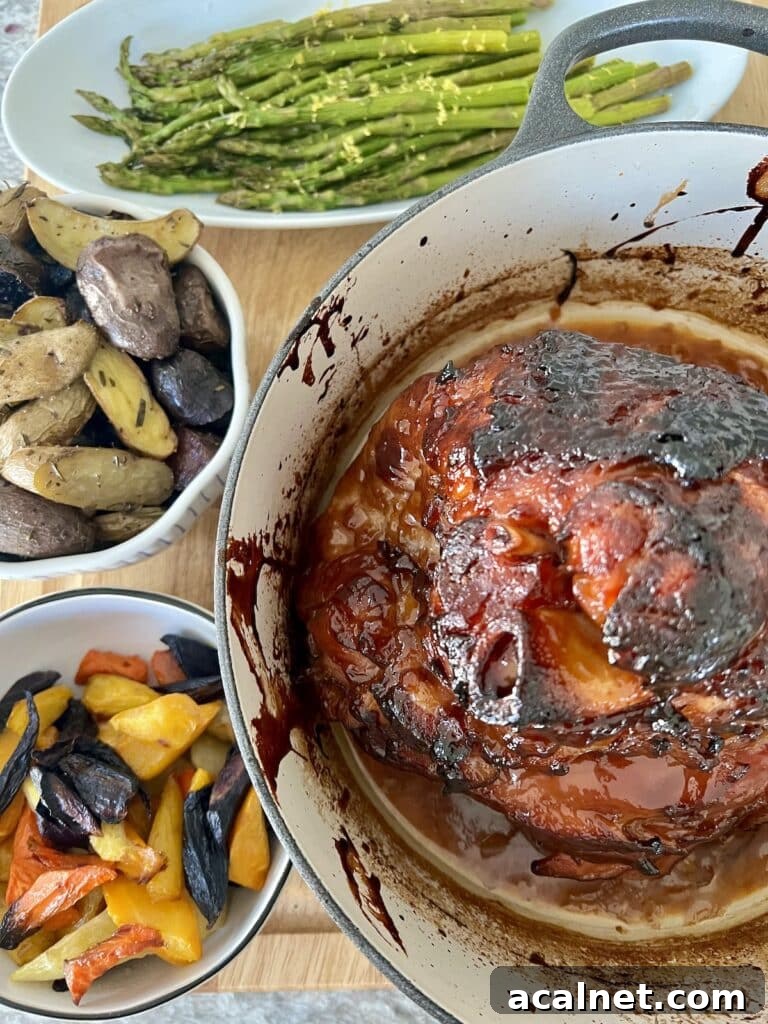
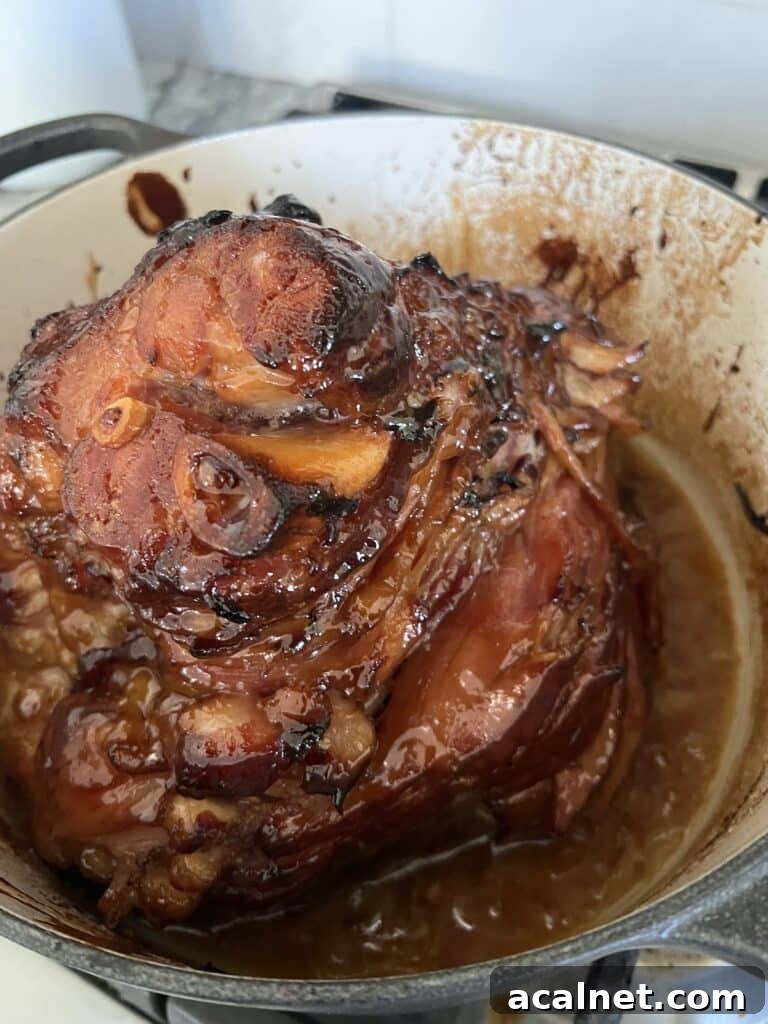
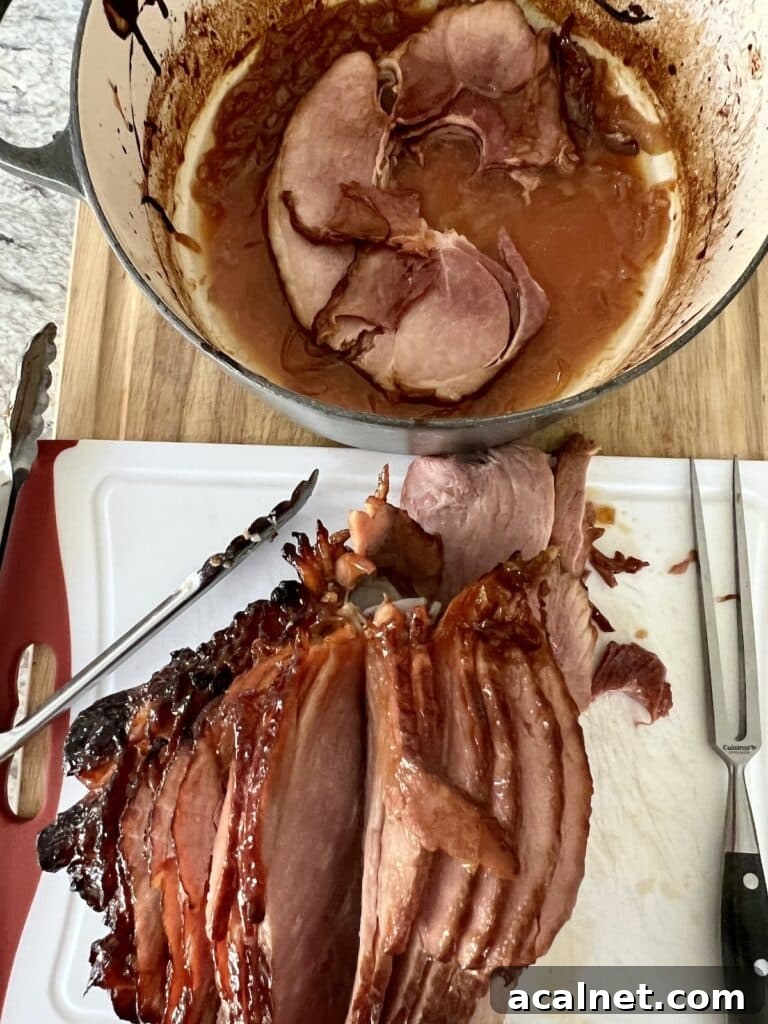
Baking a whole or spiral glazed ham is a classic holiday choice and pairs beautifully with sides like mashed or roasted potatoes, roasted vegetables and sautéed greens. Most hams are sold cured or smoked and fully cooked, so you generally only need to reheat them before serving.
Many people buy frozen hams and thaw them in the refrigerator before baking. That raises a common question: if a ham was frozen before cooking, can you freeze the cooked leftovers? Yes — but follow safe handling steps to preserve quality and prevent foodborne illness.

Considerations & Best Practices for Freezing & Refreezing Ham
After baking your ham, use these guidelines to freeze leftovers safely and retain as much flavor and texture as possible.
The First Thaw/Defrost
- Refreezing cooked ham is safe if the ham was thawed in the refrigerator — this is the recommended method.
- You may also refreeze ham that was thawed in the refrigerator but never cooked.
Do You Need to Freeze?
- Cooked, cured ham will typically keep for up to a week in the refrigerator when stored in an airtight container or bag.
- If you won’t use the leftovers within that timeframe, plan to freeze them to avoid waste.
Timing
- For food safety, previously frozen and cooked ham — or thawed but uncooked ham — should be refrozen within three days of thawing to preserve quality and reduce risk.
- Do not refreeze ham that has been left at room temperature for more than two hours; bacteria can multiply quickly at room temperature.
- For best quality, consume frozen ham leftovers within two months.
Your Freezer
- Set your freezer to 0°F (-18°C) for safe, long-term storage.
- Colder temperatures and faster freezing reduce ice crystal size and help preserve texture and flavor.
- Minimize air exposure to avoid freezer burn: pack tightly and remove air when possible.
- Place packages in the coldest part of the freezer and avoid opening the door for a few hours after storing newly frozen items so they freeze quickly.
Prep and Portion the Leftovers
- Cool the ham in the refrigerator for a few hours before freezing.
- Pat the surface dry with a paper towel to remove excess moisture and reduce ice crystal formation.
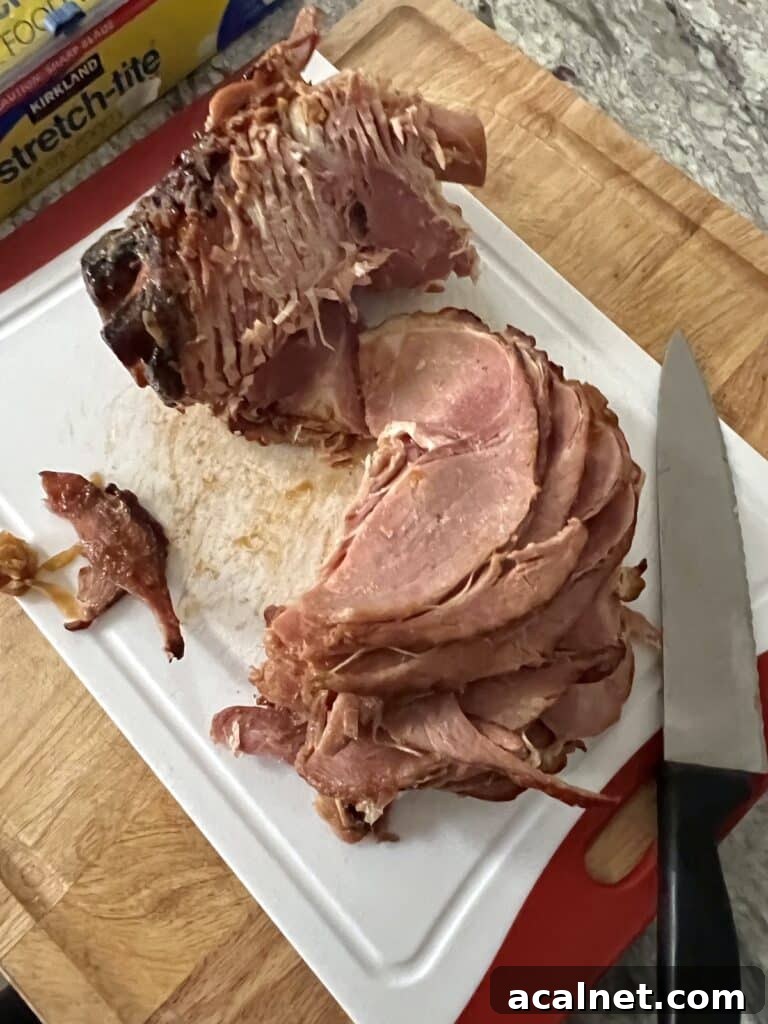
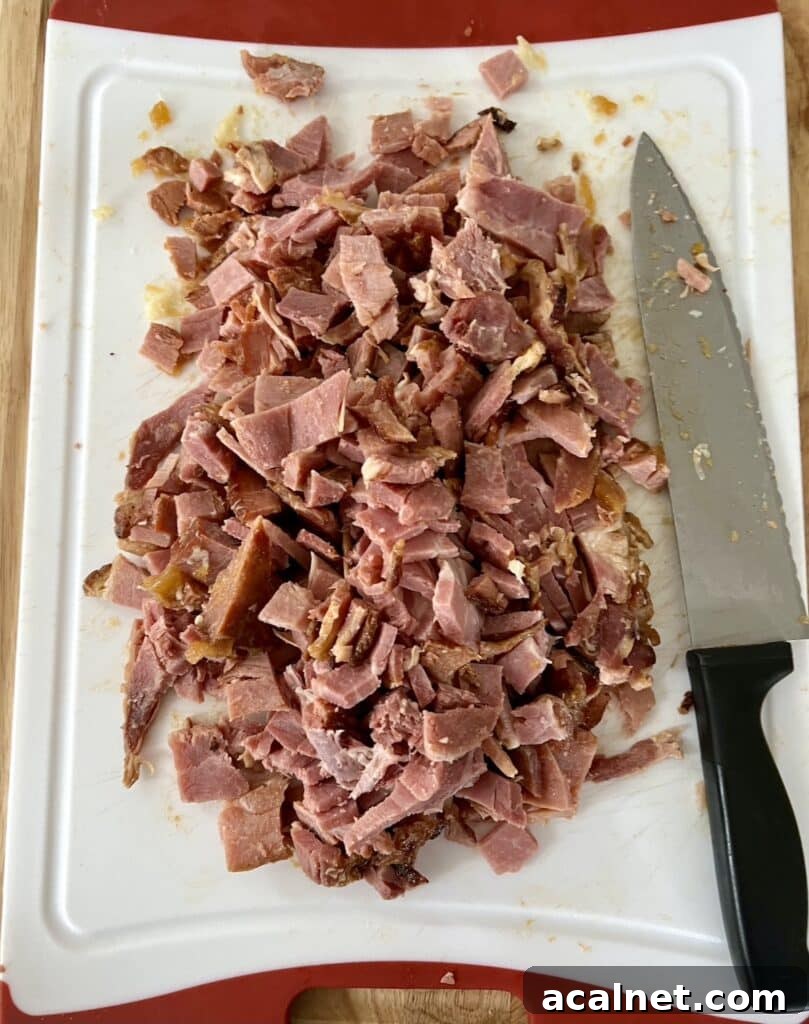
- Portion leftovers into smaller packages (for example, 1–2 cup portions, sliced or diced) so you can thaw only what you need for sandwiches, soups or recipes.
Packaging Ham for Freezing
Proper packaging prevents freezer burn and protects flavor and texture.
- Wrap ham tightly in plastic wrap to create a snug barrier.
- Place wrapped portions in sealable freezer bags with excess air pressed out, in airtight containers, or wrap tightly in foil.
- Vacuum sealing is ideal when available.
Tightly packaged ham maintains moisture and minimizes dryness from freezer exposure.
Label and Date
- Label and date each package before freezing so you can track storage time.
- Use masking tape, a sticker, or write directly on freezer bags with a permanent marker.
Thawing Frozen Ham
- The safest thawing method is gradual thawing in the refrigerator; thaw times depend on package size.
- A whole, vacuum-packed precooked ham may take two to three days to thaw in the refrigerator. Once fully thawed, use within three to four days.
- For faster thawing, seal the package in a leak-proof bag and submerge in cold water, changing the water every 30 minutes.
- The microwave can be used to defrost in a pinch, but watch closely to avoid partial cooking.
- Never thaw at room temperature; this promotes bacterial growth.
If you plan to use frozen ham in a hot dish like soup or a casserole, you can often add it frozen without prior thawing.
Reheating Leftovers After Thawing
- Reheat ham gently in a small pan with a little water to prevent drying.
- Cover and warm slowly over low to medium-low heat so the meat reabsorbs moisture and stays tender.
Potential Quality Change
Freezing and refreezing can slightly affect texture and flavor. Ice crystals formed during freezing can damage cell structure, and repeated freeze-thaw cycles may make meat drier. Proper packaging, quick freezing, and careful thawing and reheating help minimize these changes so leftovers remain enjoyable.
Quality Matters!
Higher-quality hams generally withstand freezing better than lower-grade or water-added products. Avoid hams labeled “water added” if you plan to freeze — added water increases ice crystal formation and can lead to a softer, less desirable texture after thawing.
Don’t Forget the Ham Bone!
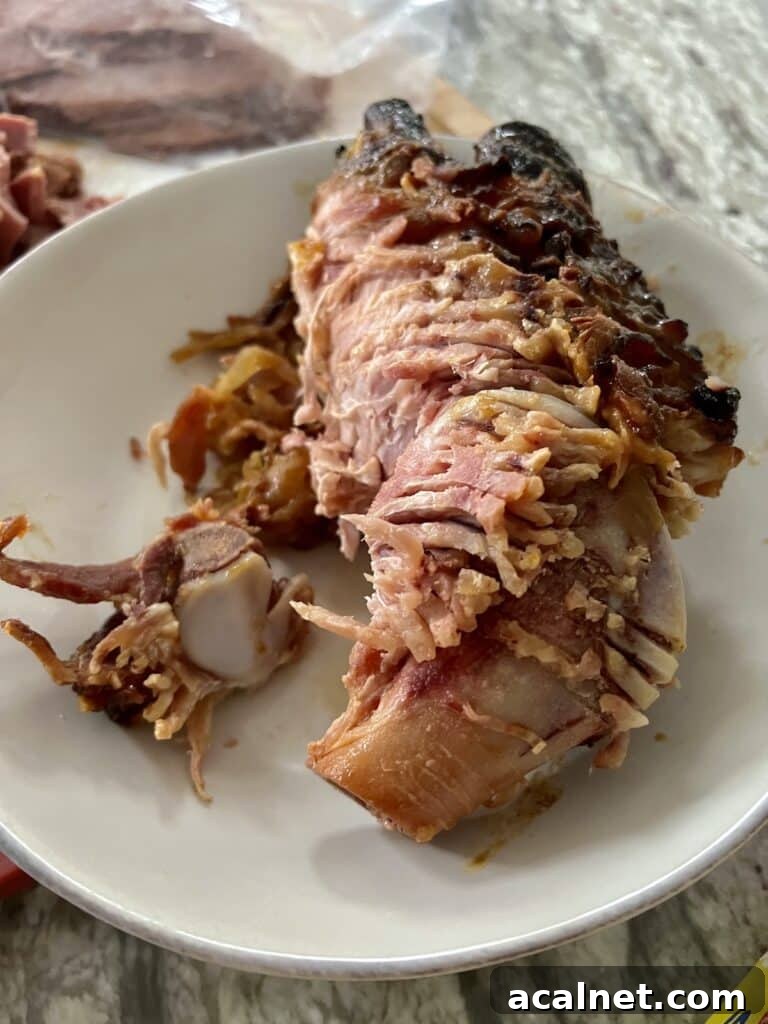
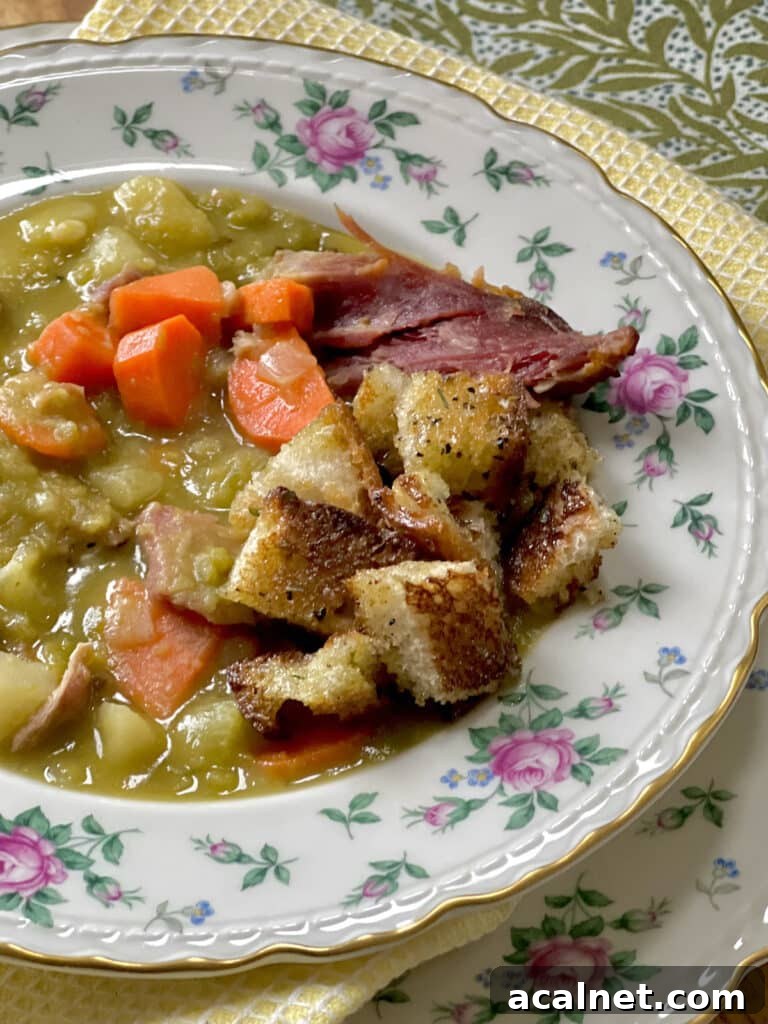
Save the ham bone in the freezer — it makes excellent broth for soups, stews and dishes like split pea soup. Frozen ham bones are convenient and add rich, savory flavor to future meals.
How to Use Ham Leftovers
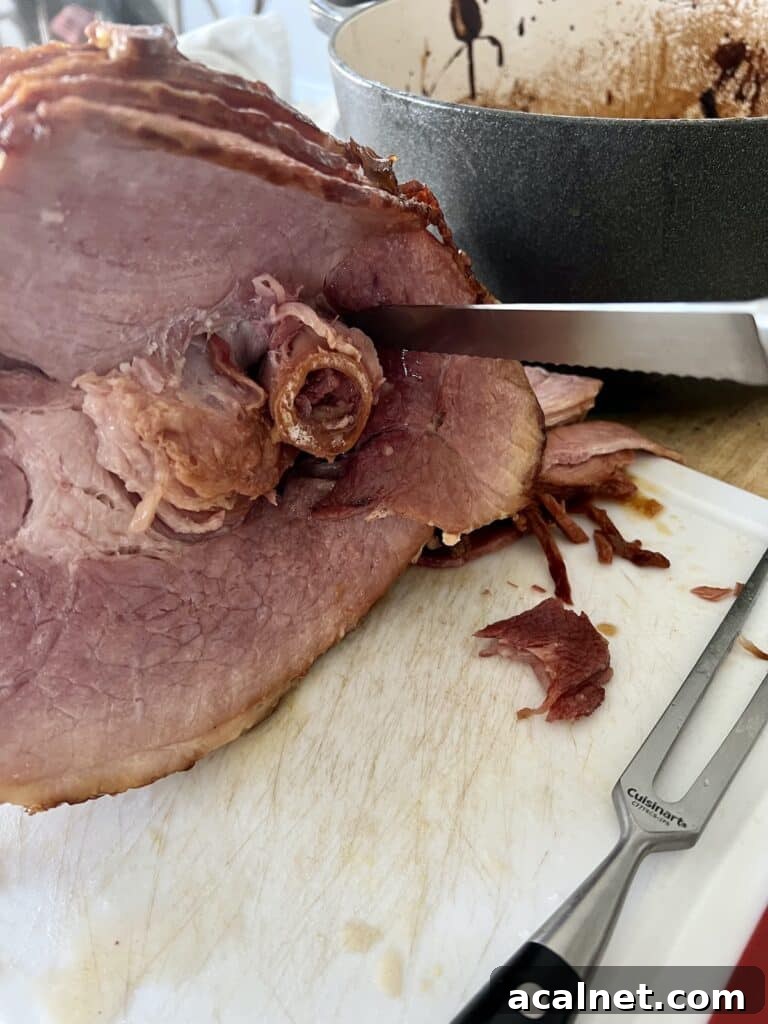
Once thawed, leftover ham is versatile: add it to soups like split pea or lentil and ham, fold into quiches, toss into pasta dishes, use on sandwiches or grilled cheese, or incorporate into casseroles and bread puddings. If you prefer, turn leftovers into ready-made meals (soups, quiche, casseroles) and freeze those for convenient future reheating.
More Holiday Favorites
- Mushroom and Spinach Lasagna with Béchamel Sauce
- Boneless Turkey Breast with Herb Butter
- Baked Spiral Ham with Marsala Wine Glaze
- Sicilian Ricotta Cheesecake with Almond and Orange
Frequently Asked Questions
Technically, frozen ham remains safe indefinitely, but quality declines over time. For best flavor and texture, consume fully cooked ham and ham leftovers within about two months.
Yes. You can roast a frozen ham, but allow extra cook time — plan for roughly 50% longer than for a fully thawed ham to reach the recommended internal temperature for precooked products.
Yes. Packaged lunch meats and deli-sliced ham can be frozen. For best quality, use within one to two months after freezing; follow storage recommendations for opened and unopened packages.

If you follow the safe-thawing, packaging and storage steps outlined here, you can confidently refreeze and enjoy your leftover ham without sacrificing safety or too much quality. Happy cooking and enjoy your leftovers!