
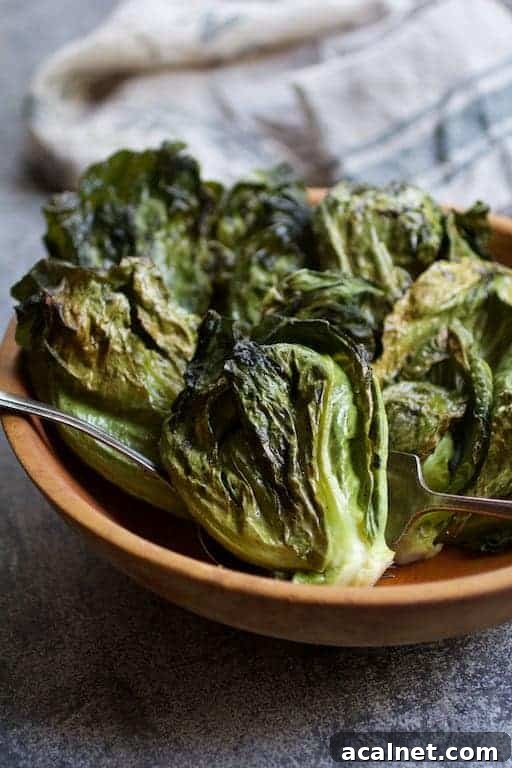
Cabbage sprouts roasted in duck fat—simple ingredients transform these delicate seasonal vegetables into an elegant, flavorful side. With minimal effort and a touch of rich fat, cabbage sprouts develop a golden roast and a sweet, tender interior that pairs beautifully with robust mains.
I always get excited when a new vegetable appears at the market. I’ve yet to meet a vegetable I didn’t enjoy, and cabbage sprouts are a delightful example. On a recent trip to a local greengrocer I saw a sign announcing their arrival. They were only available for a short time each year, which made them feel special—worth a little extra attention in the kitchen.
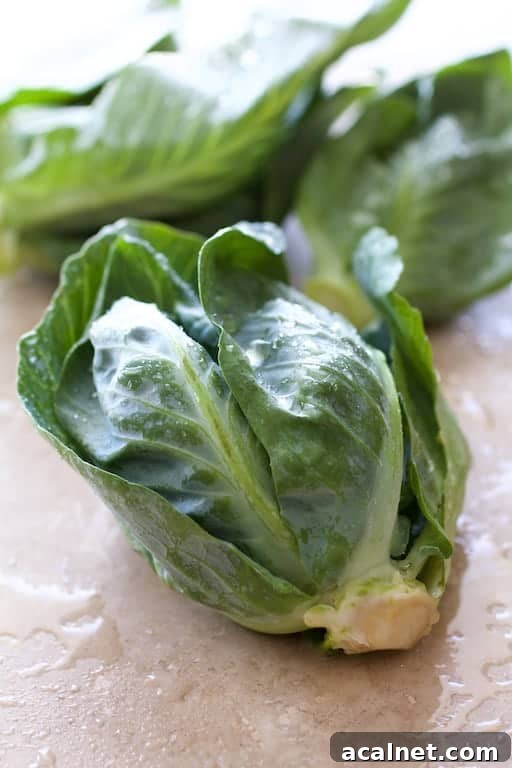
Cabbage sprouts are small shoots that form after a head of cabbage is harvested and the plant is left in the ground. The plant produces these tender sprouts around the former head, and growers harvest them for sale. Their texture and flavor are lighter and sweeter than mature cabbage, and they can be prepared in a range of ways.
What are cabbage sprouts?
After the main cabbage head is harvested, the remaining plant continues to produce small, leafed shoots where the head once grew. These are the cabbage sprouts. They can be used like other brassica greens—braised, sautéed, or roasted. Locally, many people braise them like collards or mustard greens, but roasting brings out a caramelized sweetness that makes them feel almost luxurious.
Because cabbage sprouts are a seasonal item, treating them with a little extra care makes sense. Olive oil works fine, but duck fat elevates their flavor and contributes a wonderfully crisp, golden exterior. Duck fat is widely available in specialty and gourmet shops; a small amount goes a long way. Store it refrigerated, and if you have more than you’ll use quickly, melt it gently and freeze portioned amounts for future use.
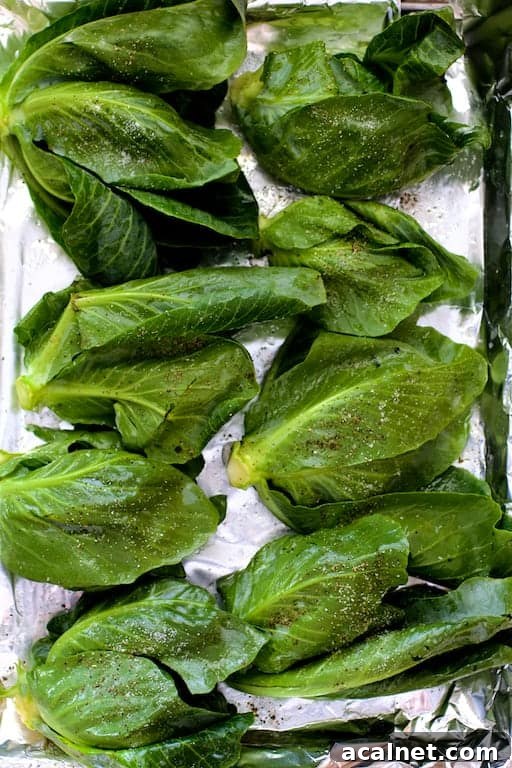
Use a light hand with duck fat so the sprouts roast, rather than become greasy. Because sprouts vary in size, adjust quantities to suit what you find at the market; two tablespoons of liquefied duck fat worked well for a full sheet pan in my test. Finish with salt and freshly ground black pepper to taste.
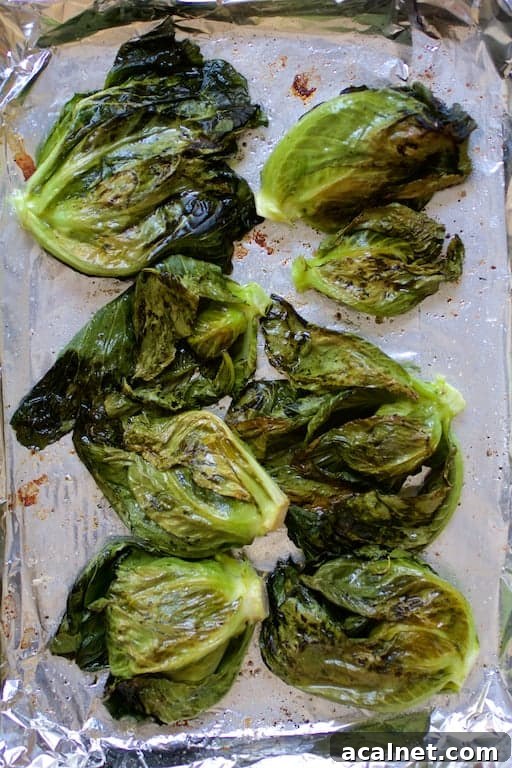
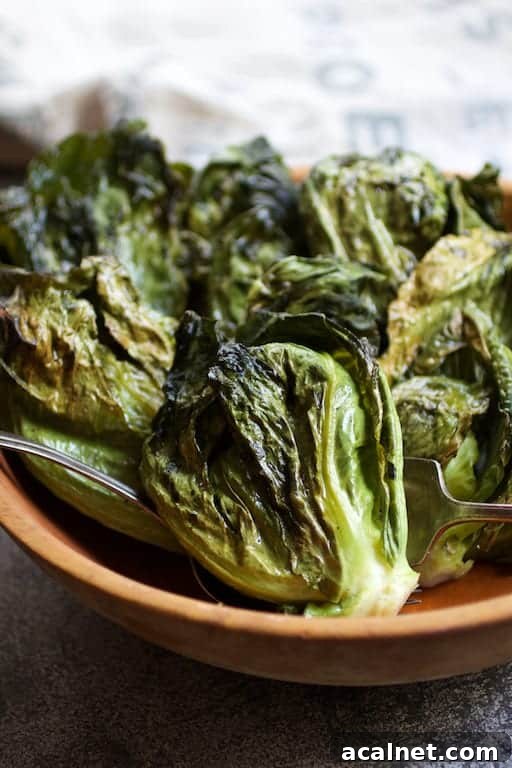
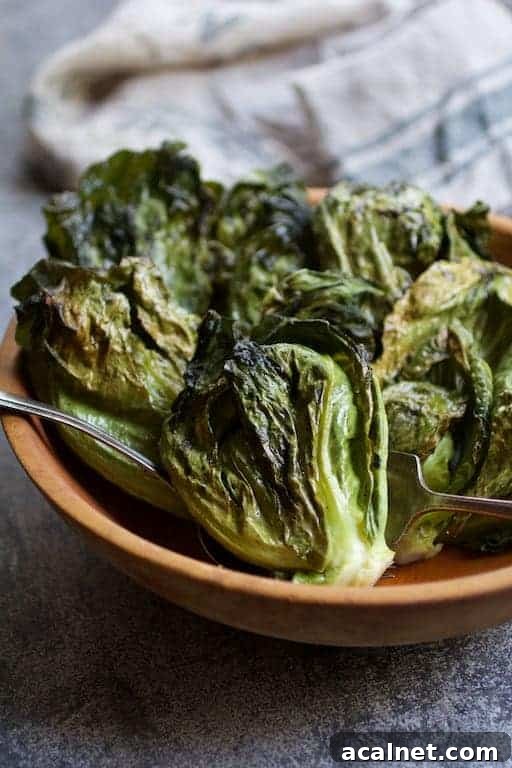
The result is simple and satisfying: sprouts with crisp, caramelized edges and tender, slightly sweet centers. If you can’t find cabbage sprouts, the same technique works beautifully with cabbage wedges—also delicious roasted in duck fat.
Love cabbage? Try these ideas
- Roasted Cabbage Steaks with Mustard Vinaigrette (try the same roasting method, swapping duck fat for olive oil if desired)
- Parmesan-Roasted Cabbage Wedges for a cheesy, golden finish
- Traditional Russian Cabbage Soup (Shchi) for a warming, brothy cabbage classic
Roasted Cabbage Sprouts
Equipment
- Rimmed sheet pan
- Small bowl for liquefying duck fat
Ingredients
- 1 pound cabbage sprouts, halved if large (or use cabbage wedges)
- 2–3 tablespoons liquefied duck fat, adjusted to size and quantity
- Salt and freshly ground black pepper, to taste
Instructions
- Preheat the oven to 375°F (190°C). Arrange the cabbage sprouts on a large rimmed baking sheet; line the pan with foil if you prefer easier cleanup.
- Drizzle the liquefied duck fat evenly over the sprouts. Gently rub the fat so each sprout is lightly coated but not saturated. Season with salt and freshly ground black pepper.
- Roast for 20 minutes, then turn the sprouts and roast an additional 10 minutes, or until they reach your desired level of caramelization and tenderness.
Notes
Tip: Duck fat is sold at gourmet stores—store it refrigerated. If you have a larger amount, warm it gently to liquefy, portion it into small containers and freeze for future use.
Nutrition (per serving)
Calories: 117 kcal • Carbohydrates: 8 g • Protein: 2 g • Fat: 10 g • Fiber: 3 g
Nutritional values are estimates and may vary depending on ingredients and portion sizes. Adjust as needed for dietary restrictions or health concerns.
 Like this? Leave a comment below!