An easy frugal meal planning system to keep your grocery budget low. Try this step by step guide to planning frugal meals!
I think we’ve all been there — you head to the grocery store with good intentions, buy a bunch of items, and imagine you’ll skip takeout all week. Then the total at the register makes you wince, and once you get home you realize those random purchases won’t form a week’s worth of meals.
What’s missing? A plan. The good news is that creating an inexpensive, realistic meal plan doesn’t have to eat up hours of your weekend. Below is a straightforward frugal meal-planning method you can use to keep your food bill down while still feeding your family satisfying meals.
Follow these steps to build a frugal, healthy meal plan and a shopping list you’ll actually use — no ramen required.
Frugal Meal Planning 101
1. Decide on your budget
Food is one of the largest household expenses, but it’s also one of the easiest to control. If you don’t set a target, you’ll miss it every time. Start by reviewing what you’ve been spending on groceries, then choose a realistic budget and aim to reduce it gradually. Pick a number based on past spending — not thin air — so your goal is achievable.
2. Brainstorm a list of frugal meals
One of the quickest ways to speed up weekly meal planning is to keep a list of inexpensive favorite meals ready. Jot down recipes you and your family enjoy that are budget-friendly. If you’re feeding a family, involve them — they may remind you of dishes you forgot. Focus on meals where meat is an ingredient rather than the main attraction; stretching meat across mixtures like soups, casseroles, and stir-fries saves a lot.
3. Decide how often you’ll shop
The less often you visit the grocery store, the less you’ll spend. Frequent trips invite impulse buys because stores are designed to encourage extras. Some people shop every two weeks or monthly, but if you’re starting out, shop weekly so you can realistically manage what you’ll use. Check your calendar and mark which nights you’ll actually need dinner at home — include leftover nights or simple takeout if that’s your reality. A plan should balance frugality with what you’ll actually do.

4. Shop at home first
Before making a grocery list, check your pantry, fridge, and freezer. The cheapest food is what you already own, so plan a couple meals from those items. You might be surprised at what you can create. If money is tight, try a full pantry challenge week and avoid the store entirely, or just buy a few perishables to supplement what you have.
5. Check the sales ad
Weekly sales often include “loss leaders” — deeply discounted items, especially meat and produce, meant to draw customers in. Build as many meals as you can around sale items. If chicken is on sale, plan multiple dinners using chicken in varied ways. Shopping the sale flyer or a discount grocer can stretch your budget significantly.

6. Eat seasonally
Buying produce in season keeps costs down and quality high. Seasonal fruits and vegetables are fresher, taste better, and don’t carry the shipping premium of out-of-season produce. Seasonal meal planning also adds variety throughout the year and helps support local growers while stretching your grocery dollars further.
7. Stock up on sales
When staples go on sale, buy extra to hold you until the next sale cycle. Many items cycle through discounts every 4–6 weeks; buying enough to last until the next sale avoids paying full price. Aim to use 10–15% of your weekly grocery budget to build a small stockpile of discounted staples — those savings accumulate over time.
Pro-tip: Keep a running total as you shop. Write the running total beside items on your list while you add them to the cart so you can remove items if you begin to exceed your budget and avoid checkout shocks.

8. Buy generic
Store-brand products are often produced by the same manufacturers as name brands, but without expensive packaging and marketing. Compare prices on the shelf — generic items are frequently 30% cheaper and are a great place to start cutting costs. Pantry staples like beans, rice, pasta, and canned tomatoes are perfect candidates for switching to store brands.
9. Check the clearance section
Grocery stores usually have clearance areas with deeply discounted items: seasonal packaging changes, discontinued flavors, dented cans, or produce that isn’t cosmetically perfect. These finds can be excellent bargains; use common sense, but expect to discover useful items for much less.
10. Use coupons and cash back apps
Digital coupons on store apps can be clipped and applied at checkout, and printable coupons still work in many stores. Cash-back apps like Ibotta and Fetch reward purchases and can add up to real savings. Always scan your receipt and check it before leaving the store — errors happen and customer service will usually correct mistakes.
After covering shopping strategies, here are some practical cooking tips to stretch ingredients further.
Frugal cooking tips:
Cook soups and stews often
Soups and stews stretch a small amount of meat, freeze well, and make good use of inexpensive vegetables and starches.
Have a few meatless dinners each week
With meat prices rising, plan 1–2 meatless meals weekly — beans, eggs, pasta, and hearty grain bowls can be filling and affordable.
Make your own sauces and spice mixes
Mix your own taco seasoning, chili mixes, and pasta sauces instead of buying prepackaged blends. Homemade sauces are easy and cheaper.
Use less expensive cuts of meat
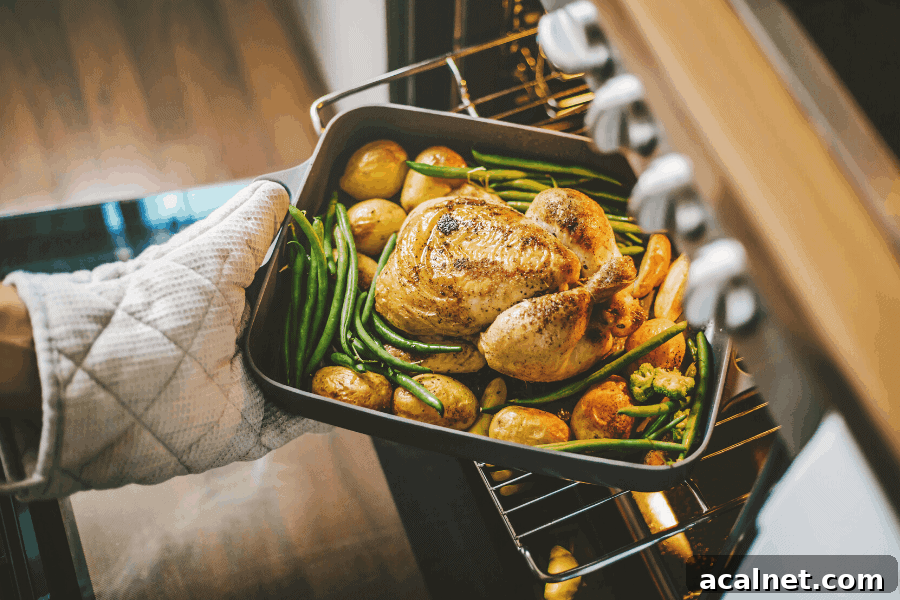
Chicken thighs, whole chickens, and tougher cuts for slow cooking are cheaper and often more flavorful than premium cuts.
Use up leftovers
Repurpose leftovers into new meals, pack them for lunch, or host a “leftover night” to reduce waste and stretch food further.
Make snacks at home
Portion snacks into reusable bags or containers instead of buying pre-packaged snack packs. It’s cheaper and usually healthier.
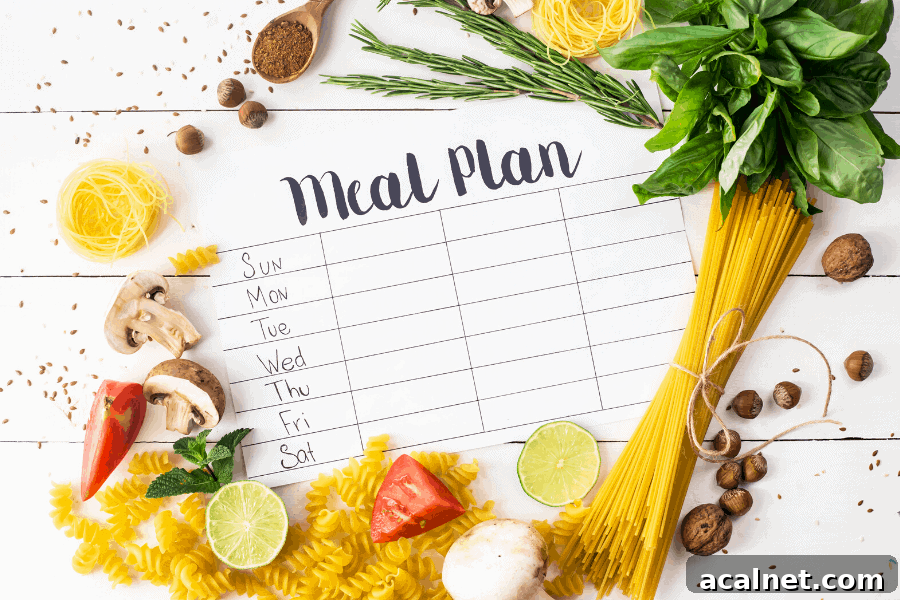
Ready to try some frugal meal planning?
I hope these practical tips help you shop and cook on a budget. Whether you’re feeding two or five, you can assemble a week of frugal meals with a little planning. Start by reviewing pantry staples, checking weekly sales, and building a realistic grocery budget. Little changes add up and can make a big difference in your monthly food spending.