
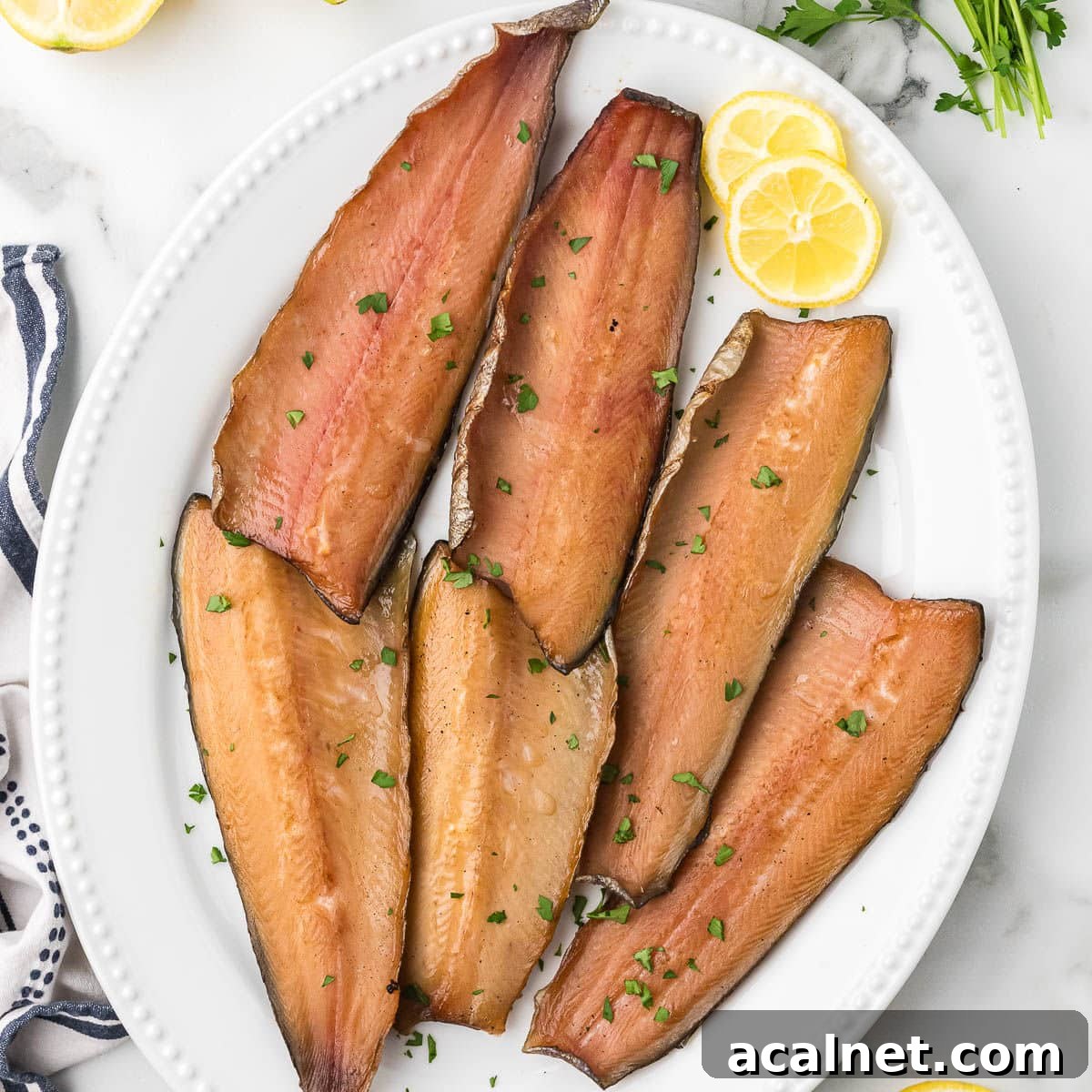
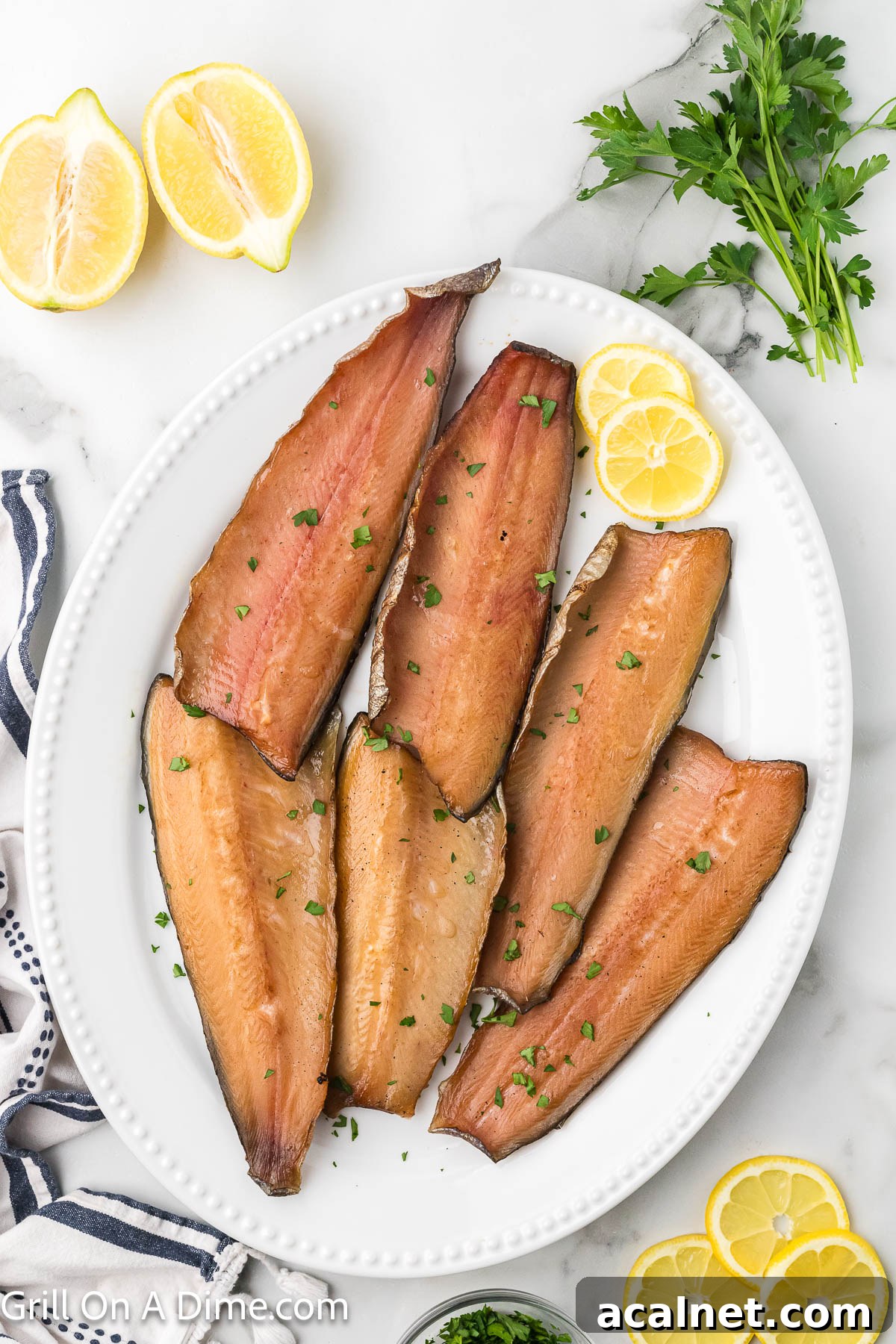
Follow these simple steps to make perfectly smoked trout. This easy method yields moist, flavorful fillets with minimal fuss—ideal for weeknight dinners, entertaining, or prepping ahead. Use your favorite fruit wood or a milder hardwood to add delicate smoke without overpowering the fish.
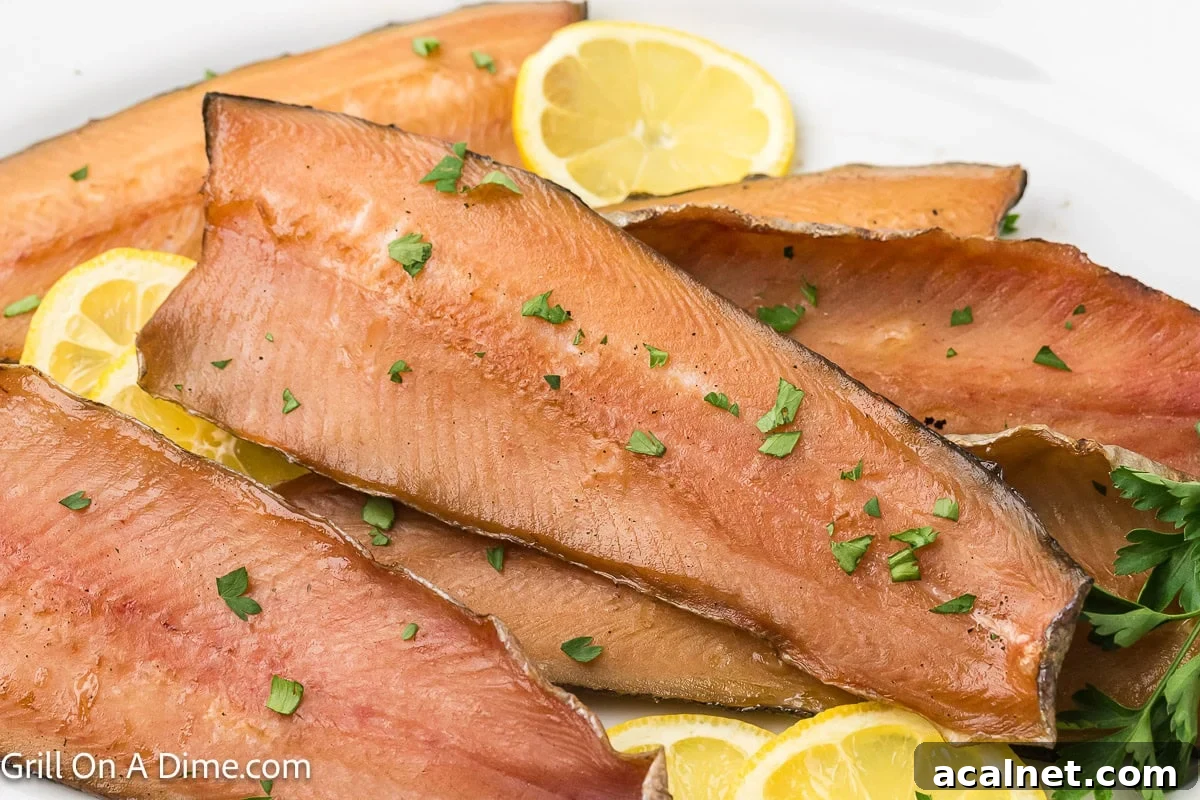
Smoking seafood is one of the easiest ways to add depth of flavor without complicated techniques. A brief brine firms and seasons the trout while keeping it tender and juicy. Place the fillets skin-side down on the smoker grates, maintain a steady low temperature, and let the smoke gently do the rest.
If you are new to smoking, start by learning how to control smoker temperature and airflow. Once comfortable, try other smoked seafood variations using similar brine and smoke times to adapt this method for salmon, halibut, tuna, or other firm-fleshed fish.
What’s in this post: Smoked Trout
- Why You’ll Love Smoked Trout
- Ingredients
- How to Make Smoked Trout
- Recipe Tips
- Flavor Variations
- What to Serve with Smoked Trout?
- Frequently Asked Questions
- Smoked Trout Recipe
Why You’ll Love Smoked Trout
- Trout has a clean, mild flavor that takes well to smoke, making it approachable for many palates.
- A simple brine boosts moisture and enhances the fish’s natural taste without masking it.
- Smoked trout is versatile—serve it warm, chilled, flaked into salads, or as a spread.
Ingredients
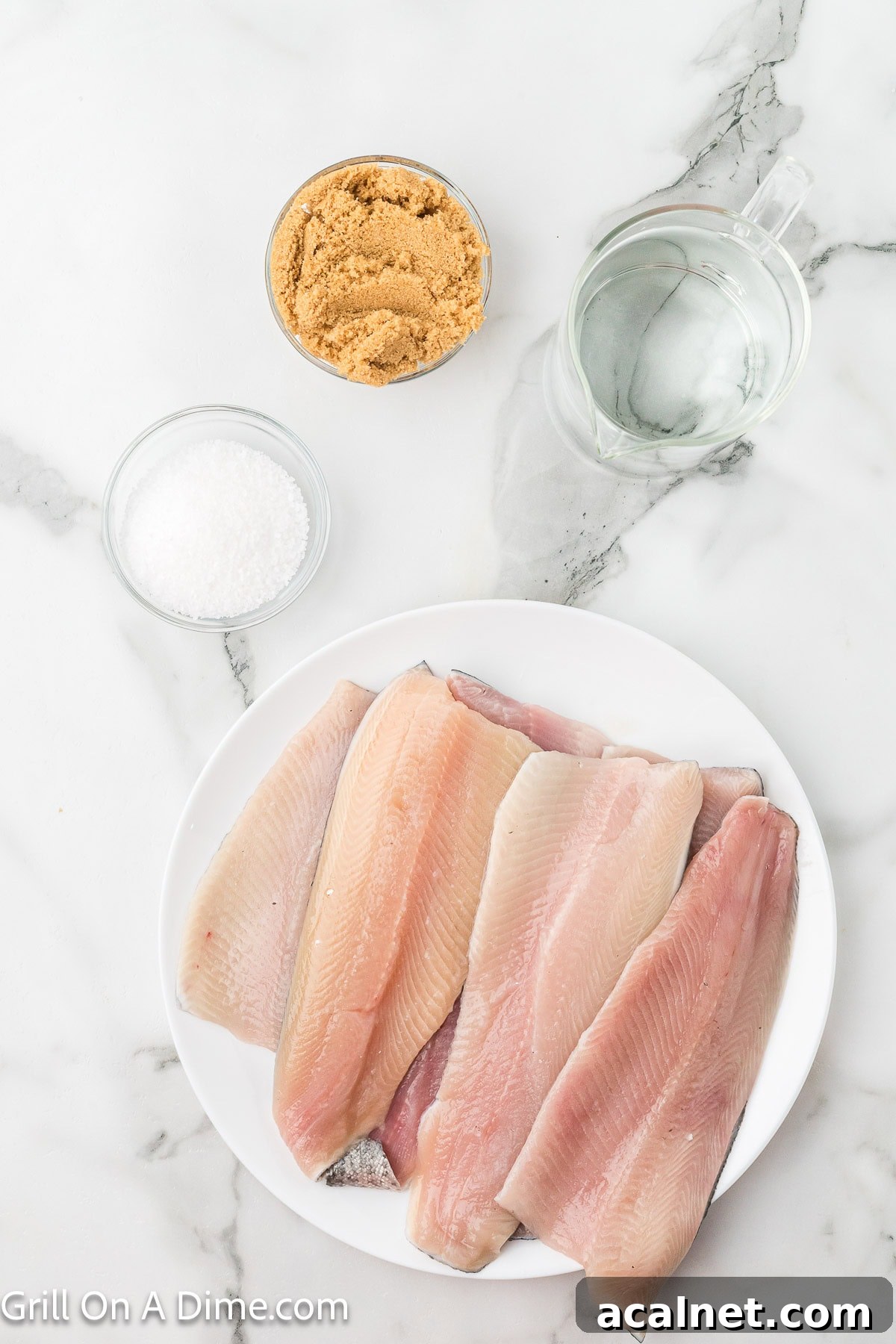
- Rainbow trout fillets – skin on, bones removed
- Kosher salt – regular salt or pink salt will work if needed
- Brown sugar – helps balance the salt and promotes a nice color
- Cold water – for the brine
See the recipe card below for exact quantities and full instructions.
How to Make Smoked Trout
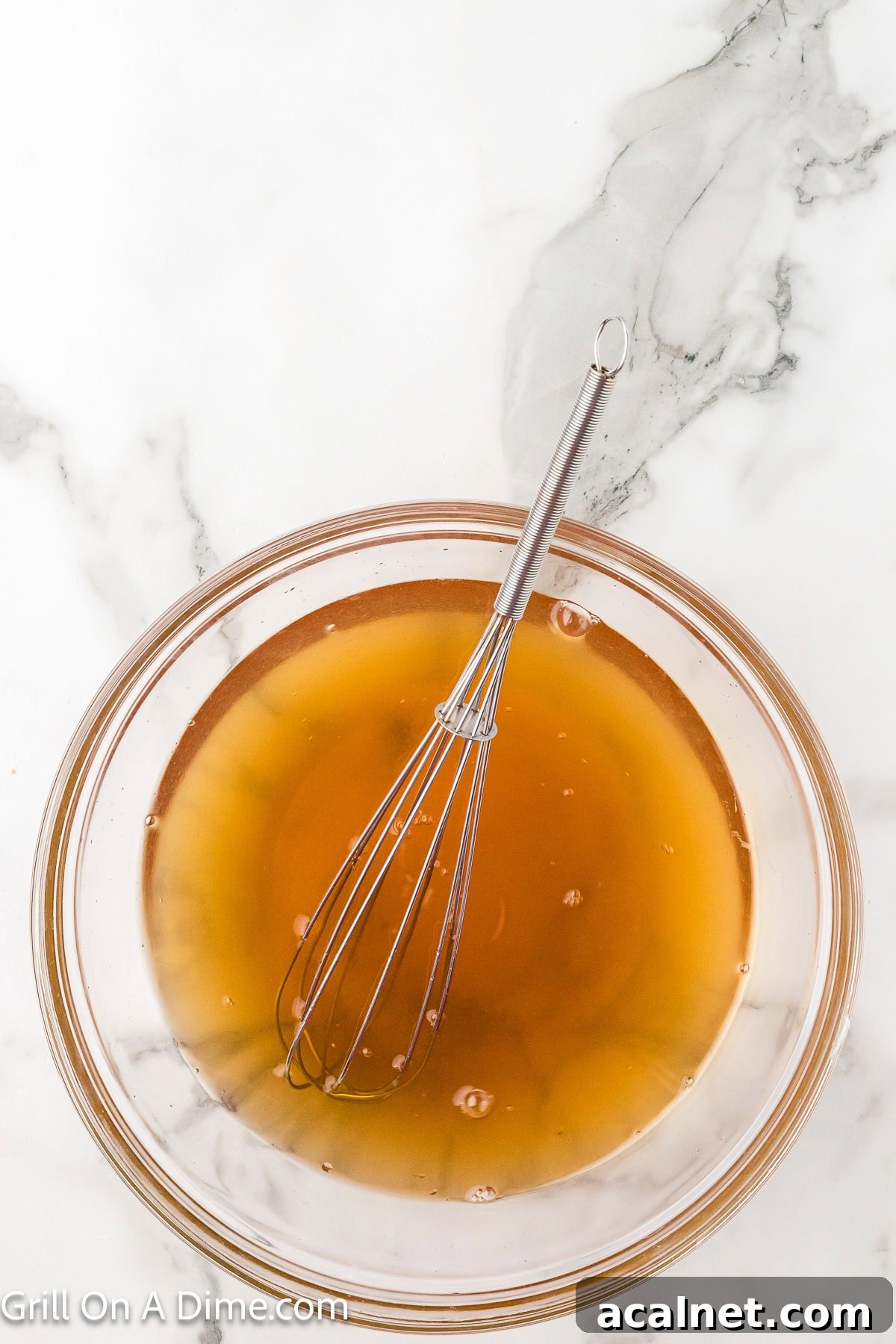
Step 1 – In a large bowl, whisk the kosher salt and brown sugar into the cold water until they dissolve.
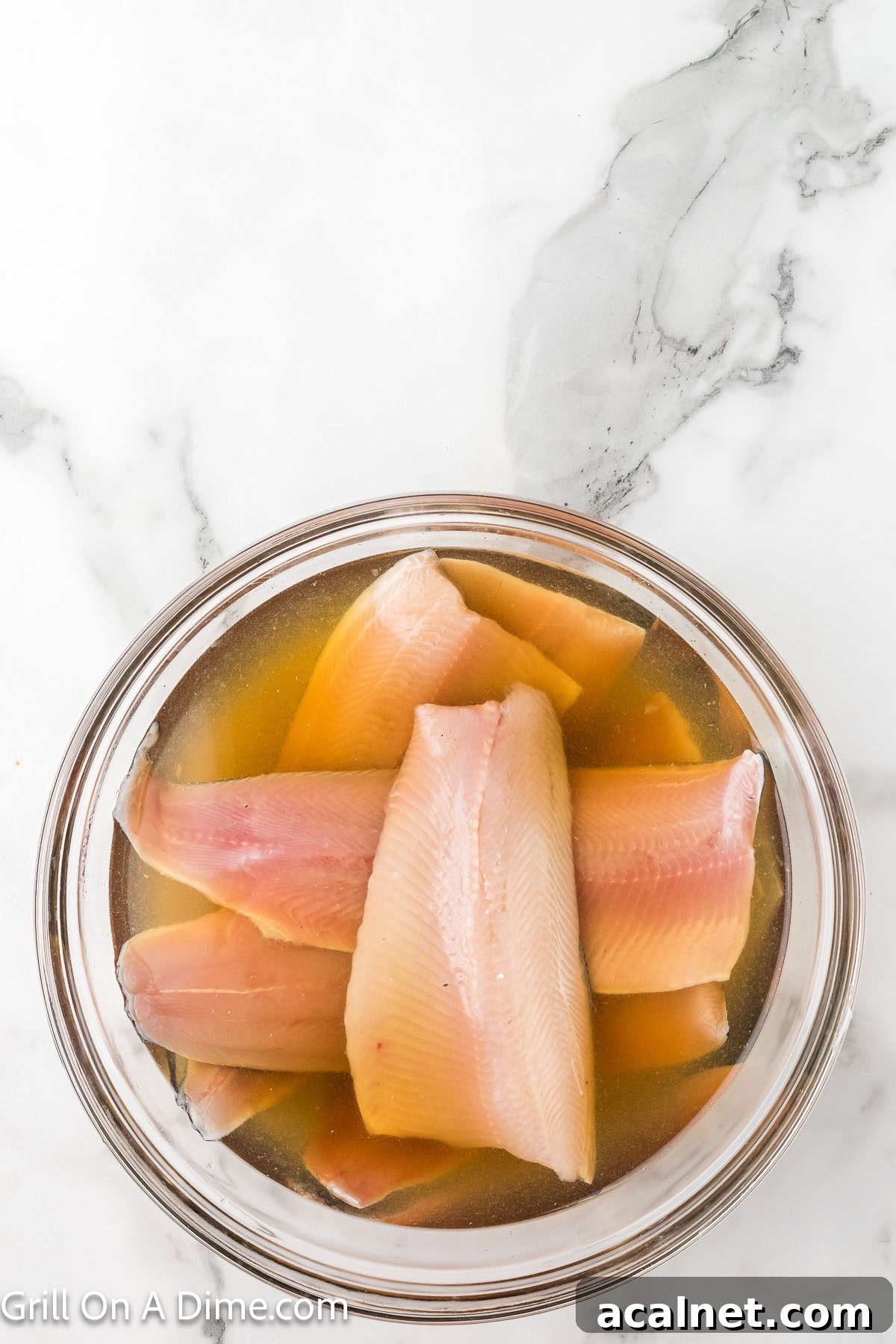
Step 2 – Submerge the trout fillets in the brine, cover, and refrigerate for at least 2 hours or up to overnight for deeper seasoning.
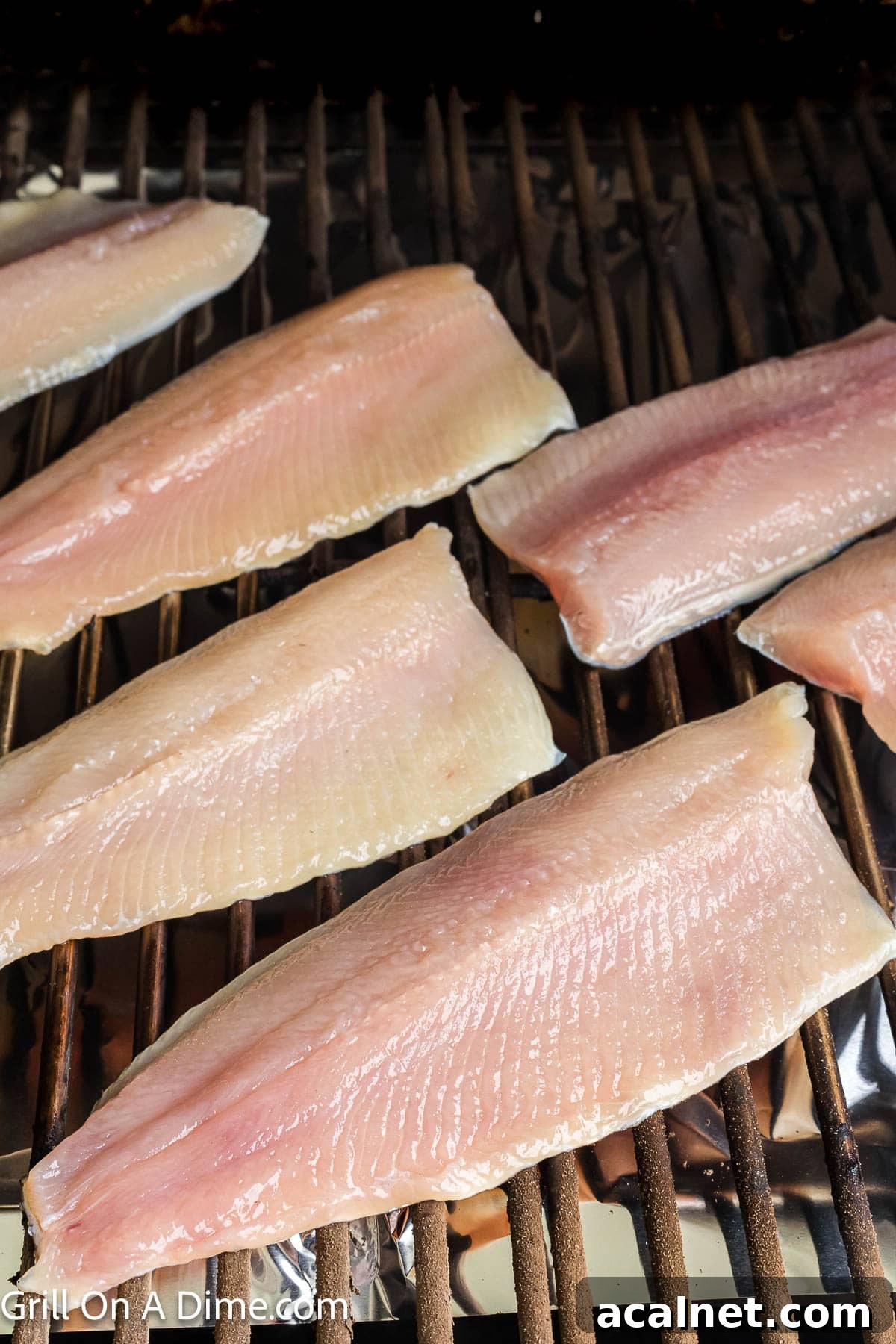
Step 3 – Preheat the smoker to about 170–200°F (recommended target ~180°F). Remove the trout from the brine, rinse if desired, and pat dry with paper towels.
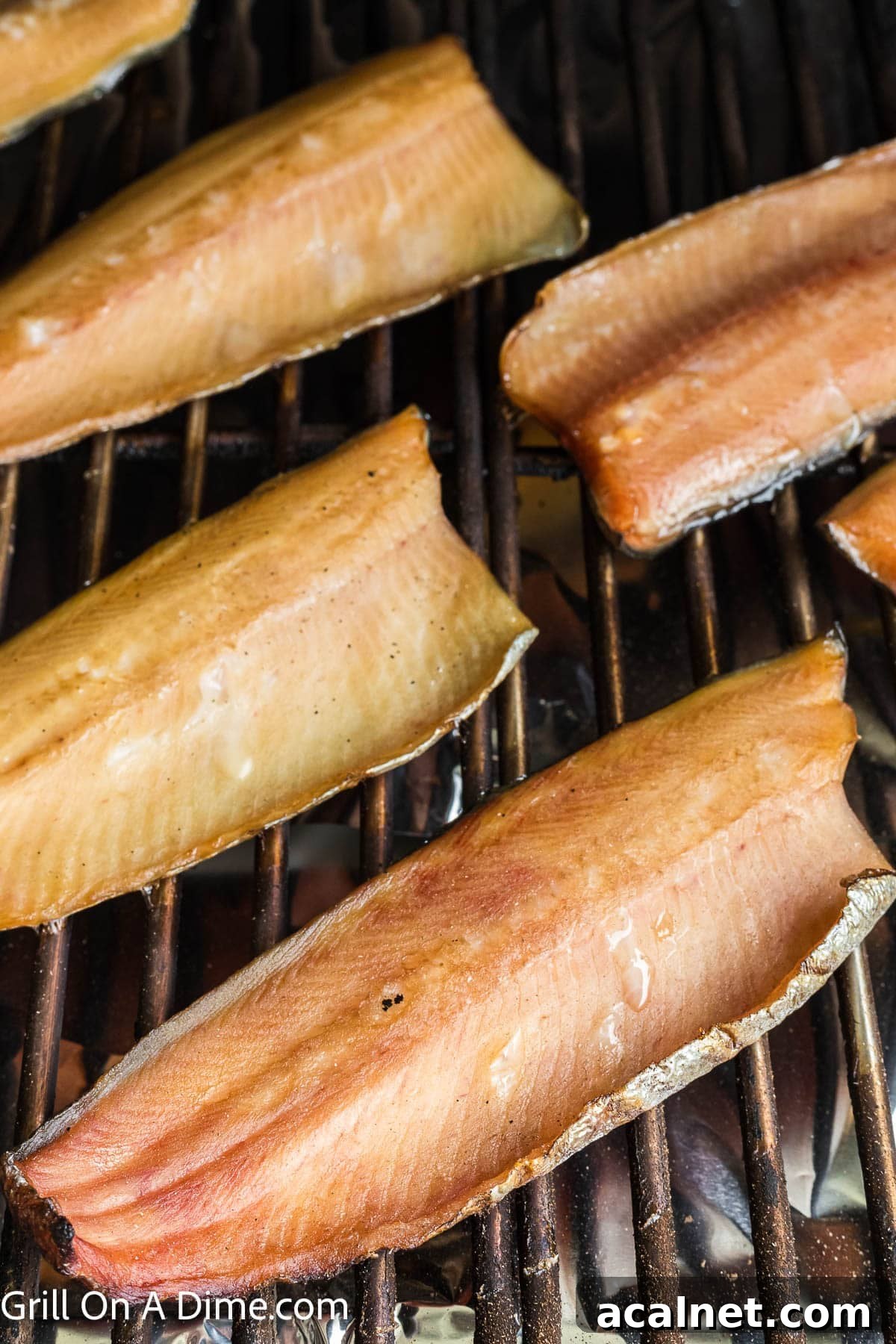
Step 4 – Place the fillets on the smoker grates, skin-side down. Smoke for 2–3 hours until the internal temperature reaches 145°F and the flesh flakes easily with a fork. Keep an eye on the smoker so the heat remains steady.
- Step 5 – Remove the trout from the smoker and transfer to a cooling rack. Serve warm or chilled.
Recipe Tips
- Check for doneness – Use an instant-read thermometer; trout is done at 145°F and should flake easily.
- Maintain low heat – This is a gentle smoking method. Aim for 170–200°F and avoid allowing the smoker to get too hot; if needed, a pan of ice can help stabilize temperature in some setups.
- Brine for tenderness – Brining for at least 2 hours, or overnight, improves texture and seasoning.
- Choose wood wisely – Mild fruit woods like apple or cherry complement trout. Hickory, oak, or mesquite can be used sparingly if you prefer a stronger smoke.
Flavor Variations
- Maple glazed – Brush warm trout with a maple glaze after smoking for a sweet, glossy finish.
- Citrus herb – Add orange or lemon zest and fresh dill to the brine for a bright, herbaceous note; try a teaspoon of black pepper and a pinch of onion powder as well.
- Spicy – Finish with Cajun seasoning, a chili rub before smoking, or a sprinkle of red pepper flakes for heat.
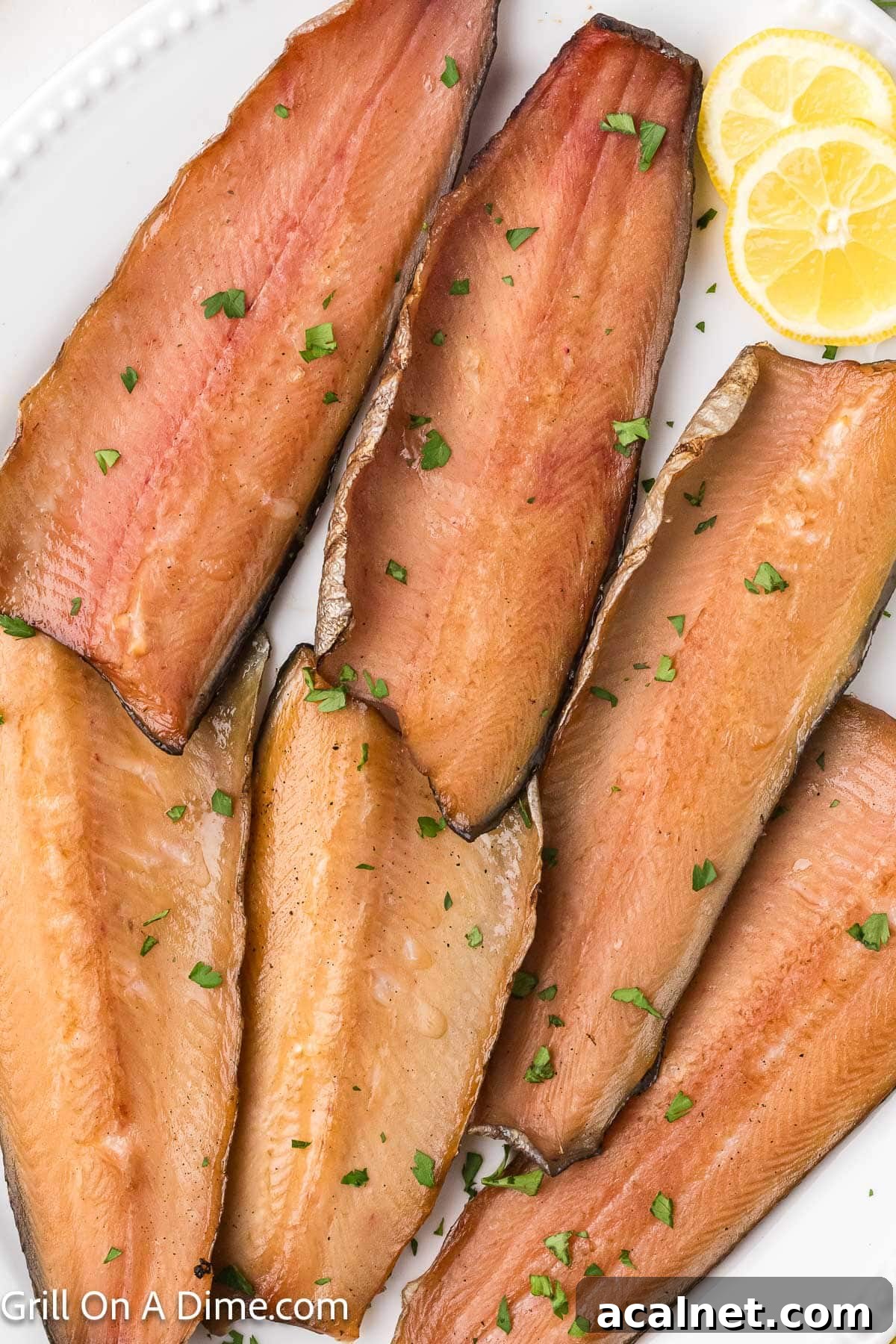
What to Serve with Smoked Trout?
Smoked trout is excellent served as whole fillets alongside smoked baked potatoes and charred asparagus. Flake the trout into a cream cheese or yogurt-based spread with capers and herbs for a flavorful dip. It also pairs beautifully chilled on salads, tossed with pasta, or added to grain bowls.
Because smoked trout is already well seasoned, simple sides like roasted vegetables, lemon wedges, fresh greens, and crusty bread let the fish shine.
Frequently Asked Questions
Timing depends on fillet thickness, but most trout finish in about 2–3 hours at a low smoker temperature. Use an internal thermometer to confirm 145°F.
Yes. Thaw frozen trout fully and pat dry before brining, then proceed with the recipe. Proper thawing ensures even brining and smoking.
Keep leftovers in an airtight container or tightly wrapped in the refrigerator for up to 4–5 days.
Yes. Once cooled, place smoked trout in a freezer-safe container or vacuum seal for up to 3 months. Thaw in the refrigerator overnight and reheat gently until the internal temperature reaches 165°F if reheating.
More Easy Smoked Seafood Recipes
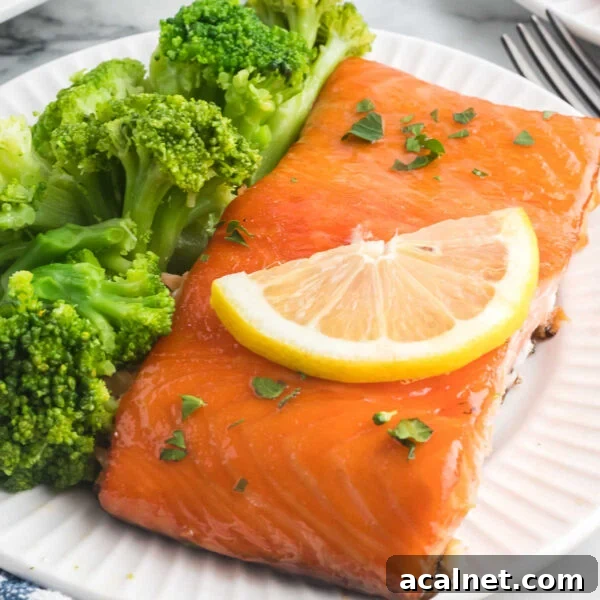
Smoked Salmon Recipe
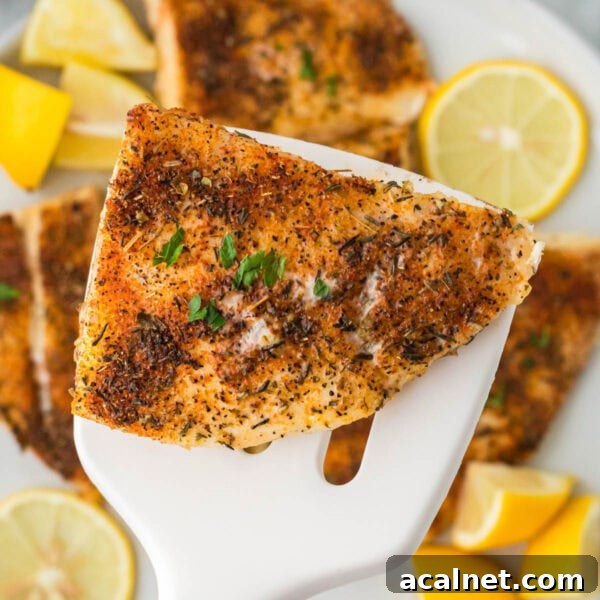
Smoked Halibut
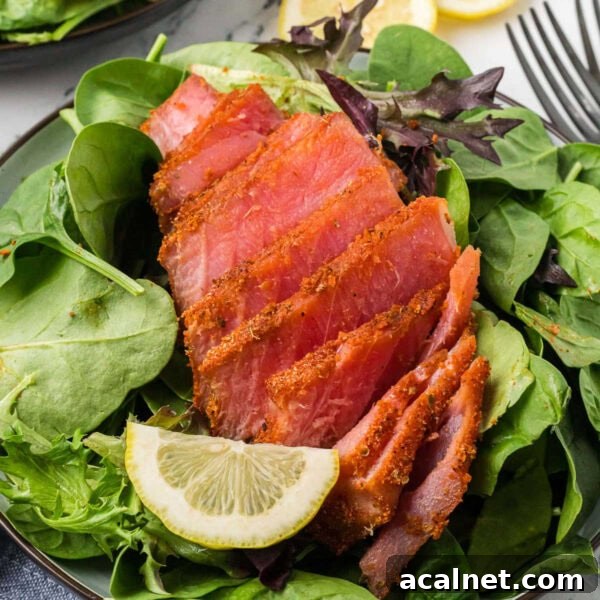
Smoked Tuna
We love to hear from readers. If you try this smoked trout recipe, please leave a comment or rating to share your results and any tweaks you made.
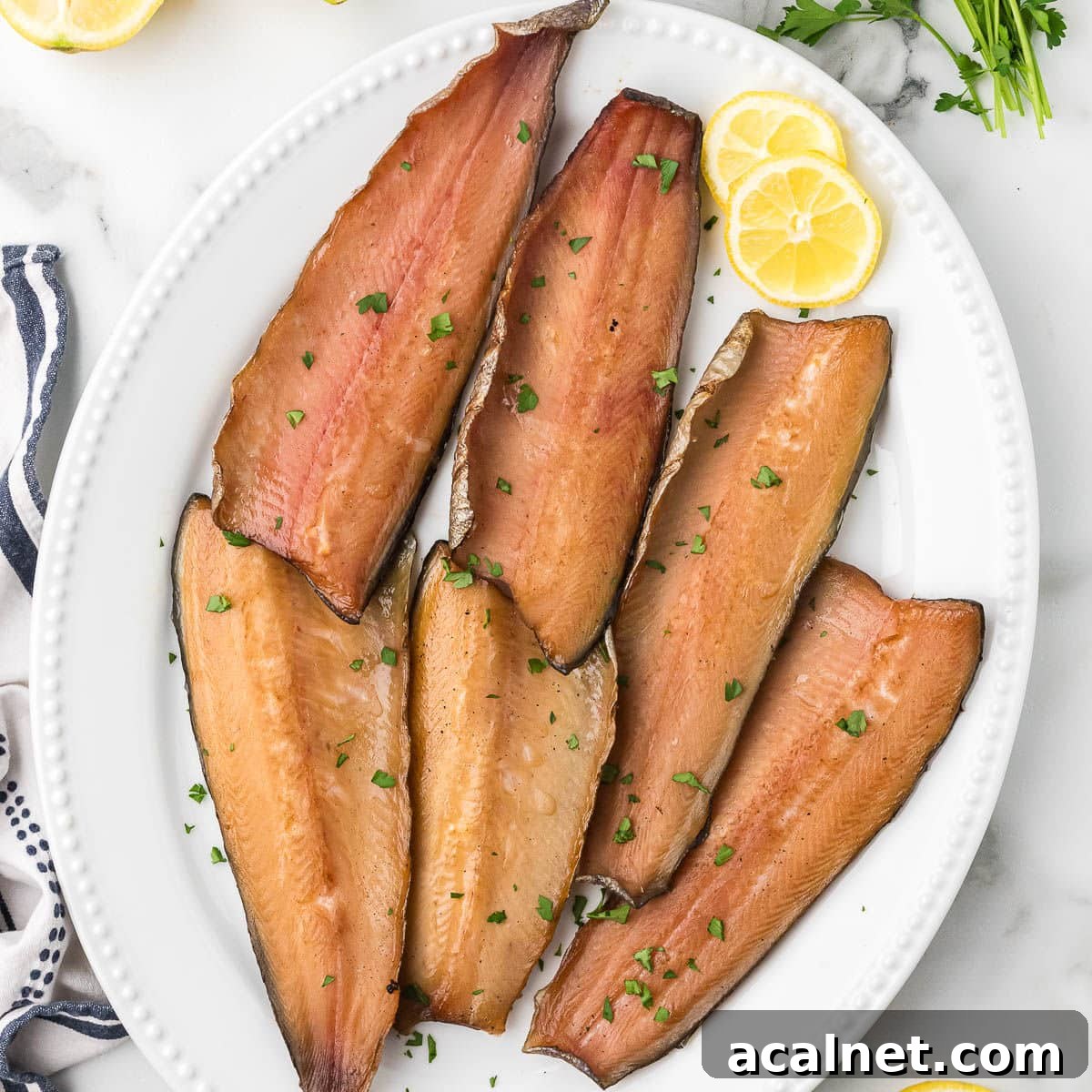
Smoked Trout
Simple smoked trout with a quick brine produces tender, flavorful fillets. This straightforward recipe is beginner-friendly and easily adapted with different wood chips or seasonings.
2 hrs 15 mins
2 hrs
4 hrs 15 mins
6
American
Main Course
573
Carrie Barnard
Ingredients
- 6 rainbow trout fillets, skin on, bones removed
- 1/4 cup kosher salt
- 1/2 cup brown sugar
- 4 cups cold water
Instructions
- Whisk the kosher salt and brown sugar into 4 cups of cold water until fully dissolved.
- Submerge the trout fillets in the brine, cover, and refrigerate for at least 2 hours or overnight.
- Preheat the smoker to approximately 170–200°F; try to maintain about 180°F. Avoid letting the temperature exceed 225°F.
- Remove the fillets from the brine and pat them dry with paper towels.
- Place the fillets on the smoker grates, skin-side down.
- Smoke for 2–3 hours or until the internal temperature reaches 145°F and the fish flakes easily with a fork. Monitor the smoker to keep the heat steady.
- Remove the trout from the smoker, let rest briefly, then serve warm or chilled.
Recipe Notes
Use an instant-read thermometer to confirm doneness. This method relies on a gentle smoke; if your smoker runs hot, reduce heat or use a small pan of ice to moderate temperature. Brining overnight yields a more seasoned, tender result.
Nutrition Facts
Calories: 573 kcal; Carbohydrates: 18 g; Protein: 71 g; Fat: 22 g; Sodium: 4897 mg (note: sodium is influenced by brine strength and rinsing).