
The GrillingDad Answer: How long you need to smoke your brisket depends largely on its weight. At 225°F, plan on roughly 1.5–2 hours per pound. For example, a 5 lb brisket typically requires about 7–10 hours to reach doneness.
Smoking your first brisket is a milestone for any griller. If you’re smoking at 225°F, read on for practical timing guidance and tips to get consistent results.
Jump to Section
How Long Do You Need to Smoke a Brisket at 225?
Cooking time is one of the most important variables when smoking brisket. Smoking at 225°F is a classic “low and slow” approach that produces tender, flavorful meat, but it demands patience.
As a general guideline, smoke brisket at 225°F for about 1.5 to 2 hours per pound. That means a 10 lb brisket may take 15–20 hours. Smaller briskets will finish faster; larger or fattier cuts can take longer. These are estimates — final doneness should be determined by internal temperature, not time alone.
Use a meat thermometer to verify doneness. A properly cooked brisket usually reaches an internal temperature between 195°F and 205°F. Once it’s in that range, remove it from the smoker and allow it to rest for at least 30 minutes before slicing to let the juices redistribute.
Low and slow is the reliable route. Don’t increase the heat unless you understand the tradeoffs or are purposely shortening a stall.
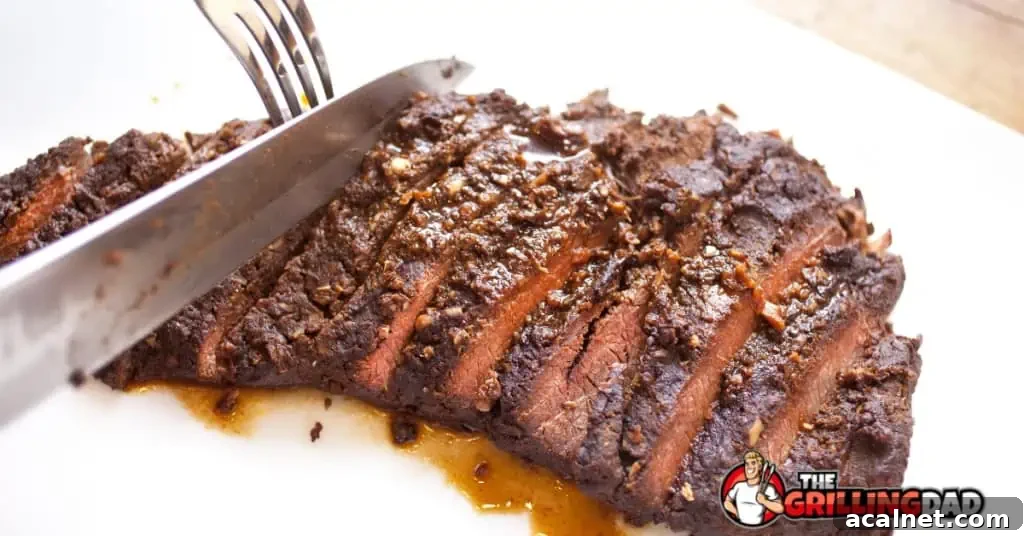
In a recent cook we smoked a 6.6 lb brisket at 225°F and it finished in about 10 hours, following a straightforward method for prep and smoking.
Factors That Affect Brisket Smoking Time
Several variables influence how long a brisket takes to smoke. Understanding these helps you plan and adjust as needed for consistent results.
Size of Brisket
Briskets vary widely in shape, thickness, and fat content even at the same weight. A longer, leaner brisket tends to cook faster than a short, thick, fatty one. Always account for shape and thickness when estimating time.
Trimming
How much fat you trim affects cooking time and texture. Removing excessive exterior fat reduces the time needed to render it and helps smoke penetrate the meat, but trimming too aggressively can dry the final product. Aim for a balanced trim that protects the meat while allowing flavor development.
Fat Side Up or Down
Placement of the fat cap is a common debate. Some grillers smoke fat side up so rendered fat bastes the meat; others smoke fat side down to shield the meat from direct heat. Our preference is fat side down, but either approach can work if you manage heat and airflow properly.
Ideal Temperature
Pitmasters differ on the exact pull temperature. We typically remove brisket around 195°F, though others prefer 200–205°F. The target you choose will slightly affect total cook time, so monitor internal temp rather than relying solely on elapsed time.
Temperature Stability
Stable smoker temperatures yield more predictable cooks. Large fluctuations can cause uneven cooking and dryness. Use a quality smoker, a reliable controller if possible, and avoid opening the lid frequently — each peek drops temperature and slows progress.
The Stall
The “stall” is when the brisket’s internal temperature plateaus for several hours as moisture evaporates and cools the meat. It’s normal and can be frustrating. Patience is key — the brisket will eventually push through the stall as collagen breaks down. Techniques like wrapping can shorten the stall if needed.
Resting Period
Resting is essential. After removing the brisket from the smoker, rest it for at least 30 minutes — longer is fine, especially if you tent it in foil and hold in a cooler. Resting allows juices to redistribute and the meat to settle, improving tenderness and sliceability.
How to Speed Up Brisket Smoking Time
Low and slow yields the best texture and flavor, but when time is limited you can shorten cook time without ruining the result by using a few smart techniques.
1. Trim the Brisket
Remove excess fat so the smoker doesn’t spend extra time rendering it. A good trim helps smoke penetrate and cuts down on total cook time while still protecting the surface meat.
2. Increase the Temperature
After wrapping in pink butcher paper or foil, you can raise the smoker temperature to about 275°F to accelerate finishing. This can shorten cook time while preserving moisture once the wrap is applied.
3. Use a Smaller Brisket
Size matters. A 6 lb brisket will finish far sooner than a 12 lb packer. When time is tight, choose a smaller flat or point to reduce hours on the smoker.
4. Leave Your Brisket Out Before Smoking
Allow the brisket to sit at room temperature for 45–60 minutes before placing it in the smoker. This short warm-up can reduce stall time by bringing the meat closer to the smoker temperature at the start. Some professionals avoid this step for flavor considerations, but it can be helpful when time is constrained.
5. Wrap the Brisket
Wrapping in pink butcher paper or foil (the Texas crutch) traps heat and moisture, speeding up the final phase of cooking and helping the meat power through the stall. After wrapping, you can slightly raise the smoker temperature to finish sooner without sacrificing juiciness.
Ultimately, brisket rewards patience. Plan for an all-day cook when possible, monitor internal temperature, and let the meat rest before slicing. Happy smoking!
Related >> Keeping Brisket Warm: Tips for Serving Tasty, Hot Meat