
We occasionally link to products from vendors to help readers find relevant items. Some of these may be affiliate links, meaning we earn a small commission (at no additional cost to you) if a purchase is made. Here is more about what we do.
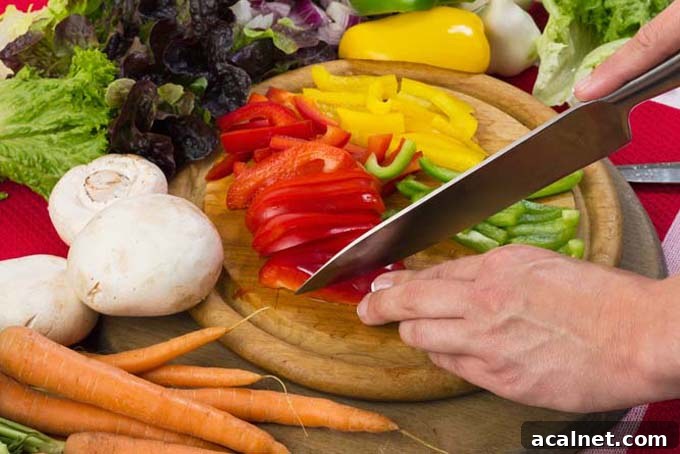
A sharp chef’s knife is the most important tool in any cook’s kitchen — whether you’re a home cook or a professional. Your knife becomes an extension of your hand and your technique, helping you transform ingredients into delicious plates for friends and family.
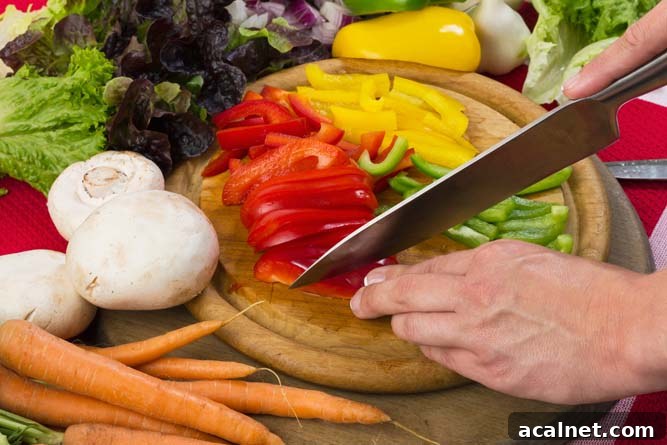
Yet one often-overlooked item that greatly influences how well your knife performs is the cutting board. Many people pick boards for their looks or based on misconceptions about hygiene, but the board’s material and construction have a direct effect on edge retention, safety, and ergonomics.
When choosing a board, consider how it interacts with your knives. The right surface minimizes wear on the blade and reduces the risk of slips or accidents caused by a dull edge.
Why a Cutting Board Matters
A cutting board provides a stable surface so food can be cut cleanly. Even though there are electric sharpeners available, it’s smarter to cut on materials that won’t prematurely dull your knives. A well-chosen board reduces wear and tear on the blade; a dull knife can pause during a cut and then slip, creating a dangerous situation.
Some boards prioritize appearance or low cost over preserving your blade. Below, I’ll explain the most common materials and the practical pros and cons of each to help you choose a board that fits your needs and budget.
Construction Matters – Stone vs. Plastic vs. Wood vs. Bamboo
Marble, Granite, Stone, Glass
Stone and glass boards are popular for their looks, but they’re very hard and will rapidly dull knife edges. These materials are better suited for rolling dough or as heat-resistant surfaces, not for regular chopping. They’re heavy and unforgiving to blades.
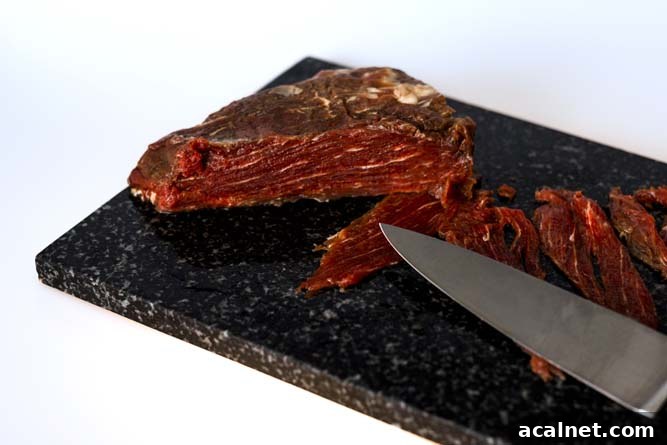 Please, don’t use stone for everyday cutting.
Glass/Stone Pros & Cons
| Advantages | Disadvantages |
|---|---|
| Can double as a hot pad or trivet. | Extremely hard surface that destroys knife edges. |
| Attractive appearance for some models. | Energy-intensive extraction and non-renewable. |
| Won’t warp. | Designed for rolling dough, not slicing. |
| Expensive. |
Bamboo
Bamboo is often marketed as a green alternative, since it regrows quickly. However, bamboo is a very dense material with high silica content and typically produced by gluing narrow strips together. Its hardness and the adhesives used can dull knife edges faster than many hardwoods.
Bamboo boards can work well as serving or cheese boards, or for low-intensity tasks like slicing bread. They are less ideal for regular kitchen prep if you want to keep knives sharp.
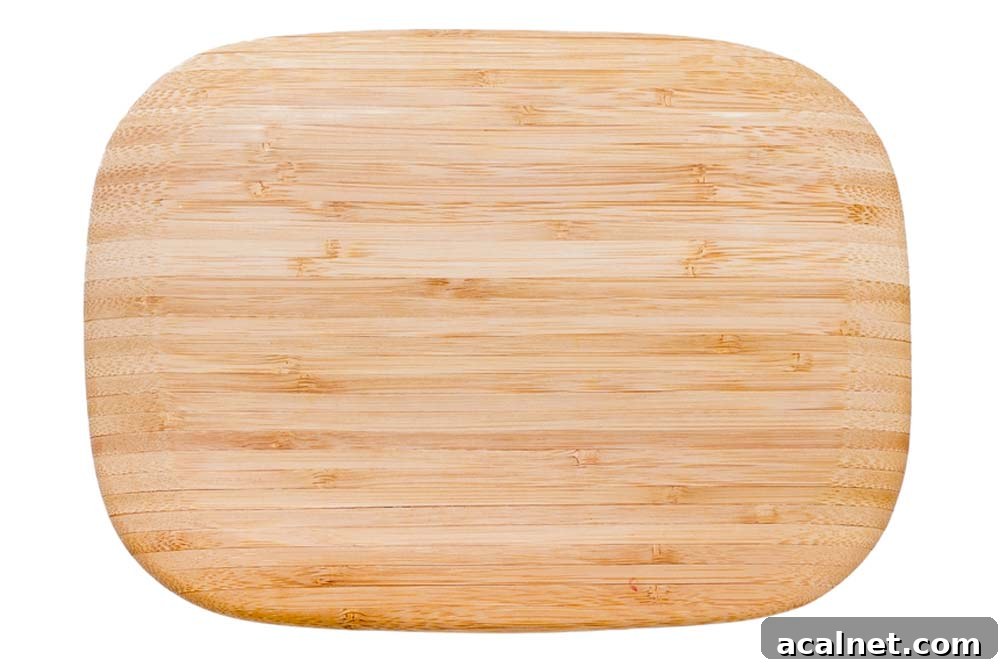 Good for serving; less friendly for regular chopping.
Bamboo Pros & Cons
| Advantages | Disadvantages |
|---|---|
| Renewable, fast-growing resource. | Dense, silica-rich, and often heavily glued—hard on edges. |
| Moderately priced in many cases. | Not suitable as a hot pad. |
| Attractive, organic appearance. | |
| Low chance of warping when well-made. |
Composite
Composite boards are made from recycled or processed materials—recycled paper, cardboard, or wood fiber bound with resin. Quality varies: thicker, denser, NSF-approved wood-fiber composites can be sturdy, while thinner paper-based boards may be flimsy and prone to flaking or lingering odors in some batches.
Some dense composites can feel close to stone and may not be as forgiving on knife edges. The lighter varieties are convenient and often dishwasher-safe, but they may not be ideal for heavy chopping.
Composite Pros & Cons
| Advantages | Disadvantages |
|---|---|
| Often made from recycled or sustainable materials. | Wood-fiber composites can be dense and hard on edges. |
| Some models are reasonably priced. | Paper/cardboard variants have a history of flaking. |
| Many are heat-tolerant and can be used as trivets. | Thick, wood-fiber models can be costly. |
| Do not warp. |
Plastic
Plastic boards are lightweight, inexpensive, and come in many colors — useful for color-coding tasks to avoid cross-contamination. However, plastic can develop grooves from knife cuts that harbor stains and bacteria over time. Many home cooks keep a couple of plastic boards specifically for raw proteins because they’re easy to sanitize and dishwasher-safe.
Plastic tends to be a bit harder on knives than most hardwoods, but it’s still a practical choice for specific tasks. Replace plastic boards once they become deeply scored or stained.
Plastic Pros & Cons
| Advantages | Disadvantages |
|---|---|
| Available in recycled options and many colors. | Lightweight home models can slip during use. |
| Generally okay for knife edge retention compared to stone. | Most cannot double as hot pads. |
| Commercial-grade plastic boards are heavier and more stable. | Plain white versions may stain and look worn over time. |
| Compatible with bleach and dishwashers. |
Rubber
Rubber boards are popular in professional kitchens. They offer good edge retention properties and a self-healing surface that can be resurfaced by sanding the thicker models. They’re heavy and stable, don’t retain moisture or odors, and tolerate strong cleaning agents and dishwashing.
In my experience, rubber may dull knives slightly faster than hardwood, but the benefits—durability, non-slip properties, and easy sanitation—make rubber an excellent choice for heavy protein prep.
Rubber Pros & Cons
| Advantages | Disadvantages |
|---|---|
| Made from renewable rubber trees; naturally resilient. | Heavy and can be awkward for smaller users to move. |
| Good for preserving knife edges and can be resurfaced. | Cannot be used as a hot pad; may melt. |
| Very stable and won’t slip during use. | |
| Safe with strong cleaners and dishwashers. | |
| Thicker versions allow sanding and resurfacing. |
Wood
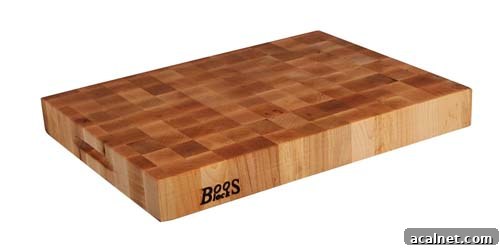
Hardwood cutting boards—especially end-grain construction—are generally the best option for everyday kitchen use. Contrary to popular belief, several studies show that properly maintained wooden boards can be as hygienic as plastic and may harbor fewer viable bacteria over time because wood fibers draw bacteria below the surface where they dry out and die.
Wood is forgiving on knife edges, can be resurfaced, and offers a warm, tactile feel that many cooks prefer. The main maintenance considerations are avoiding long soaking, not using very strong bleach solutions, and regularly treating the surface with food-grade mineral oil (and optionally beeswax or carnauba wax) to maintain hydration and prevent cracking.
Wood Pros & Cons
| Advantages | Disadvantages |
|---|---|
| Natural, renewable hardwoods; attractive appearance. | Strong bleach solutions are not recommended. |
| Best for keeping knives sharp over time. | Requires periodic oiling and care to prevent drying. |
| Heavy and stable during use. | Should not be soaked for long periods. |
| Can be resurfaced with a sander or planer. | |
| Visually appealing and pleasant to use. | |
| Studies indicate lower recoverable bacteria compared with plastic, especially as plastic ages. | |
| Subjectively the best “feel” when cutting. |
Ergonomics
Beyond material, size and shape influence how comfortable and practical a board will be. Many cooks keep multiple boards: a large board for general prep and a separate board for raw proteins to reduce cross-contamination risk. With good sanitation, a single board can serve multiple roles, but it’s helpful to think about your space and workflow when choosing sizes.
Size
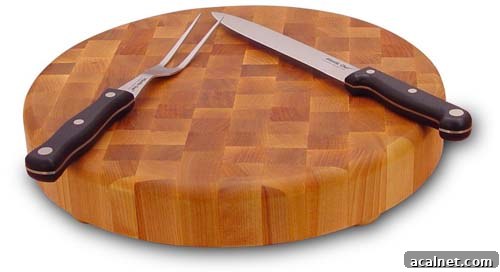
Cutting boards range from small portable pieces to large butcher-block-style tops. If you prefer a board you can clean in the sink, make sure one orientation fits about one-third to one-half into your sink for scrubbing. Larger boards can be cleaned in place if they don’t fit in your sink.
Thickness
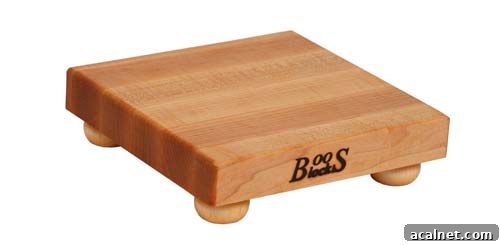
Thicker boards are more stable, allow for feet or knobs, and can be resurfaced over time. Thinner boards are lighter and more portable but can slip during use, requiring rubber mats or towels to stabilize them. If you plan to keep a board for years, choose a thicker model that can be sanded and renewed.
Juice Grooves
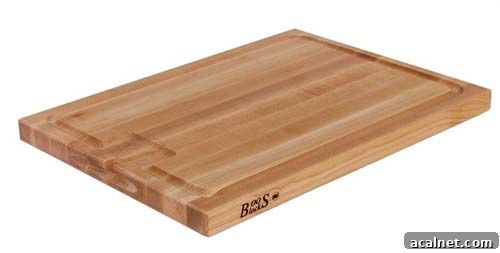
Carving boards with juice grooves around the edge are useful for collecting liquids from roasts or juicy fruits. If you want a grooved board, choose one with a deep well that actually holds juices; many inexpensive options have shallow grooves that offer limited benefit. I keep a dedicated carving board for roasts and large proteins, while using a flat board for everyday chopping.
Cutting Board Recommendations
If you’re researching specific models, consider your priorities: preserve knife edges (wood or rubber), easy sanitation and color-coding (plastic), or heavy-duty, low-maintenance surfaces (rubber). End-grain hardwoods, thick rubber boards, and a couple of color-coded plastic boards for raw protein are a practical combination for many kitchens.
I’ll be reviewing individual models in upcoming posts. In the meantime, choose a board that balances durability, edge preservation, and how you prefer to clean and maintain it.
Cook, eat, live well, and prosper.
– Lynne