
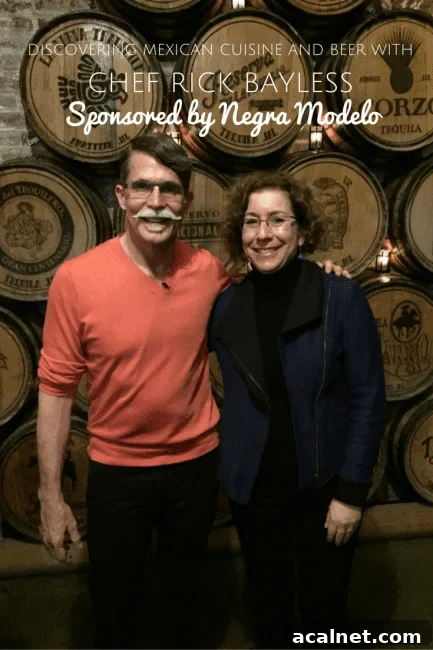
A Tour of San Francisco’s Mission Sponsored by Negra Modelo
Over the last several months I’ve been exploring beer across the country — from Portland to Vermont to Anaheim and finally San Francisco — discovering how many flavors and textures beer can bring to food and to the table. In Portland I visited Burnside Brewing to taste their unfiltered beer alongside creative small plates. In Vermont I enjoyed Hill Farmstead’s Edward Pale Ale after a long bike ride near Lake Champlain, where its citrus and pine notes were perfect. At a conference in Anaheim I was surprised at how well a pumpkin ale paired with a variety of appetizers. Then I accepted an invitation to join a walking tour of San Francisco’s Mission District hosted by Negra Modelo and led in part by Chef Rick Bayless. I was eager to learn more about Mexican cuisine, pairing beer with food, and Negra Modelo’s dark lager from a chef who is an expert in the field.
The Mission is a neighborhood of contrasts: restored Victorian homes and trendy shops sit side by side with long-standing, family-run markets and eateries. On our tour we visited three original food businesses to learn the building blocks of Mexican cooking: a mexicatessen that grinds masa, a neighborhood butcher, and a third-generation bakery.
Our first stop was a mexicatessen known for its fresh, preservative-free masa. Masa — the dough made from nixtamalized corn — is the essential base for tamales, tortillas and huarache, a flattened, sandal-shaped masa bread served as a street food. Chef Bayless called real corn masa “the canvas on which Mexican food must be painted.” We watched huaraches being formed and grilled to order and enjoyed a carne asada huarache topped with flavorful salsa and fresh toppings.
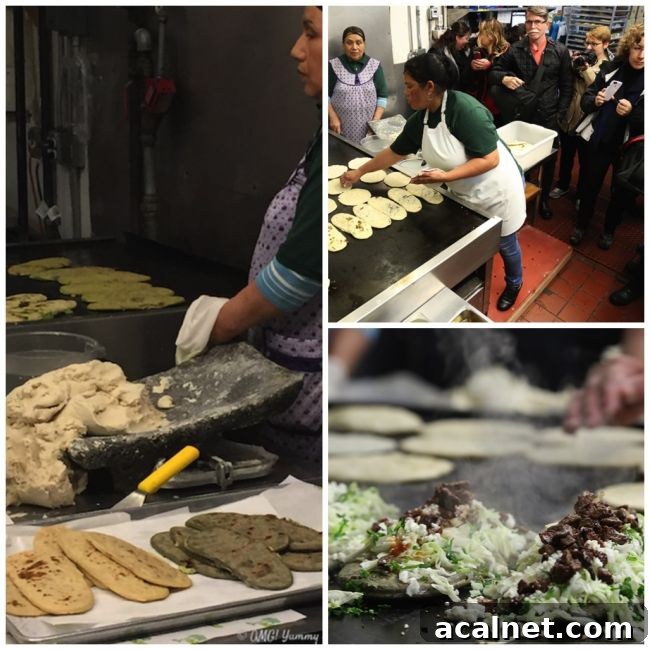 (Two photos on the right of the collage courtesy of Negra Modelo)
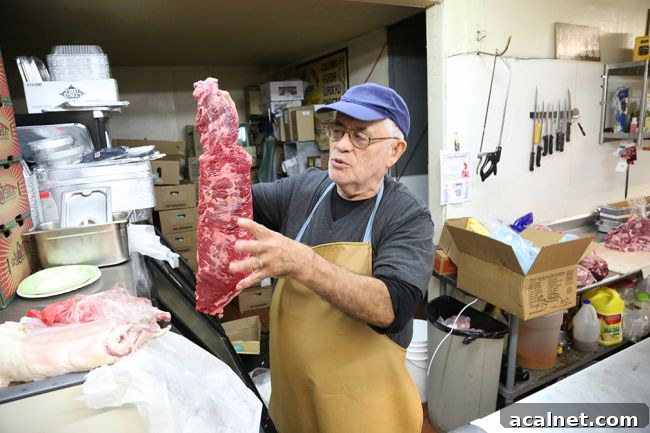
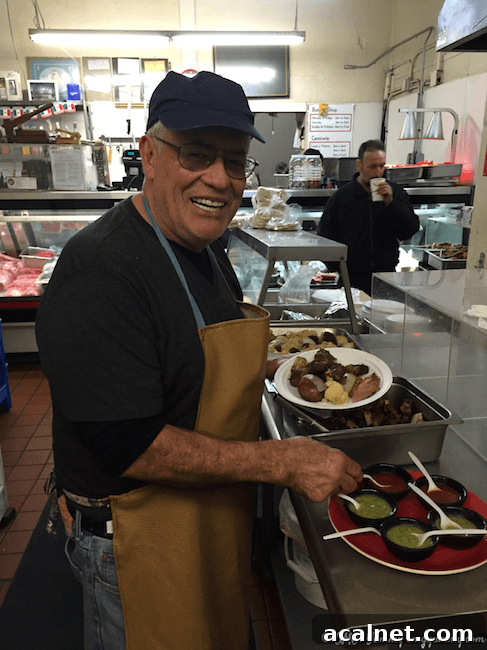
Next we visited a neighborhood meat market where the owner and butcher explained the origins of flap meat, the cut commonly used for carne asada. Flap meat comes from the same belly area of the cow as flank steak; after removing the flank and trimming the fat, the remaining muscle is flap. The butcher Salvador Vasquez helped popularize this cut in the United States when many others were discarding it or using it only for ground meat. We sampled comforting stews and vibrant salsas before moving on.
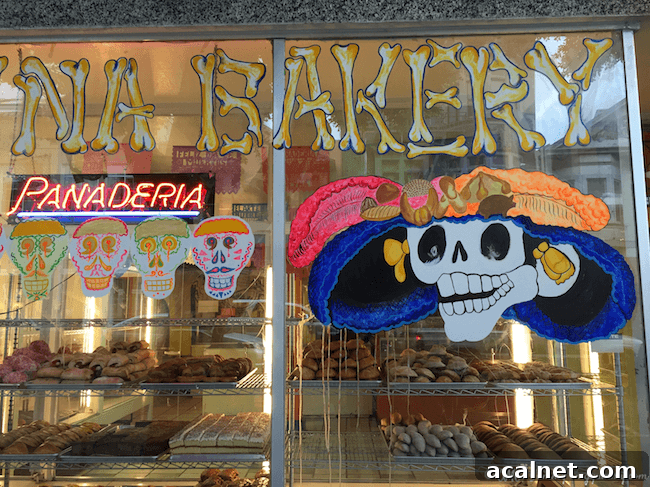
Our third stop was La Reyna Bakery, run by the third generation of the same family. The bakery’s colorful interior belies the hard work that begins before dawn: baking starts at 3 AM and continues through the afternoon. La Reyna produces more than 25 breads and pastries daily and is moving toward more artisanal, in-house preparations — making custards, chocolates, and soon jams and jellies. Their specialties include cheesecakes, bread pudding and custard-filled empanadas, all baked on the premises.
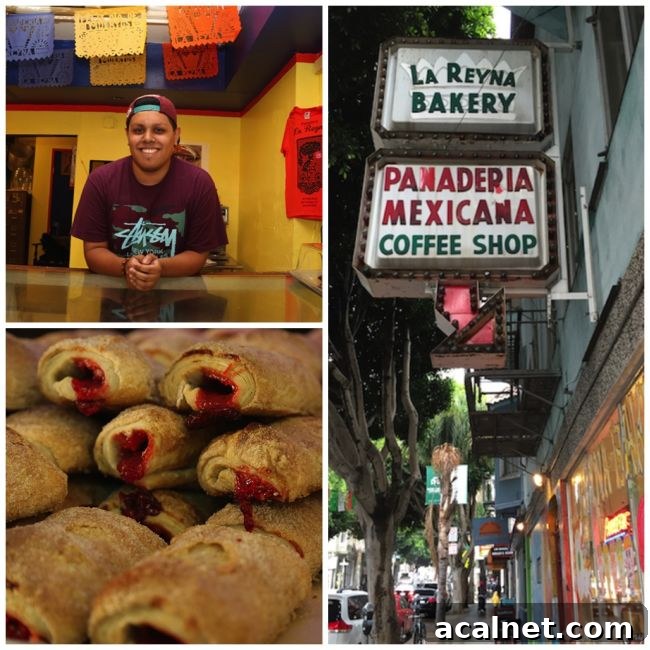 (Two photos on the left of the collage courtesy of Negra Modelo)
After sampling pastries and breads we boarded a trolley and headed to a modern Mexican restaurant near AT&T Park. Negra Modelo had arranged a generous spread and even a playful “ThePerfectComplement” vending machine that dispensed prizes when guests tweeted about the evening. I happened to win a flash drive containing several of Chef Bayless’s recipes and a copy of one of his cookbooks.
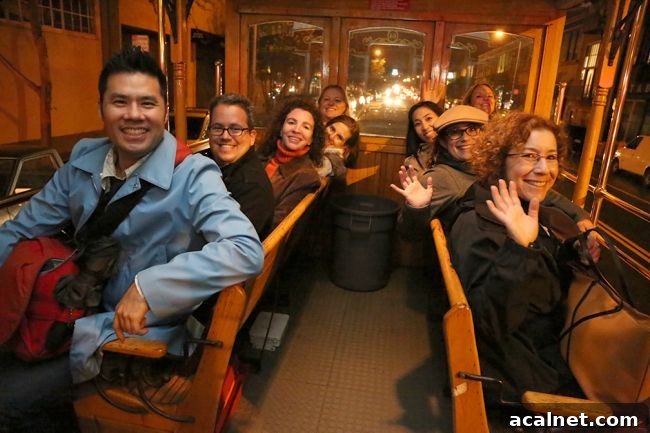
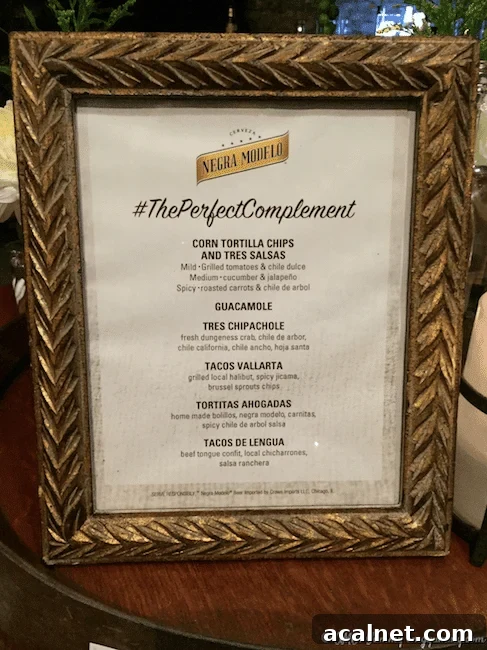
Aside from the food and beer pairings, Chef Bayless offered four short demonstrations on avocados, chili peppers, onions and pairing beer with food. His guidance was practical and precise, the sort of detail that makes simple dishes shine. Highlights from his short lessons included:
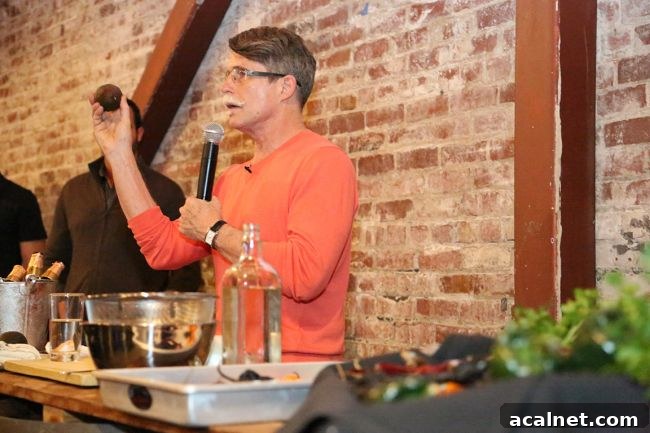
Avocados:
Chef Bayless recommended buying avocados at Mexican grocery stores because they handle produce carefully and typically sell fruit that is ripe and ready to use. For guacamole he advised using a potato masher for texture, adding just a little lime juice and salt, and keeping the dip cold to prevent discoloration.
Chili Peppers:
He pointed out that much of a pepper’s heat is contained in the veins rather than the seeds; seeds taste hot because they sit close to those veins. In Mexico people often describe chilies by flavor and character rather than only by heat level, since different varieties contribute distinct aromas and subtleties to a dish.
Onion:
For fresh salsas and guacamole he recommended white onion. When using raw onion, rinse it briefly to remove some of the sulfur compounds that cause a sharp bite.
Pairing beer with food:
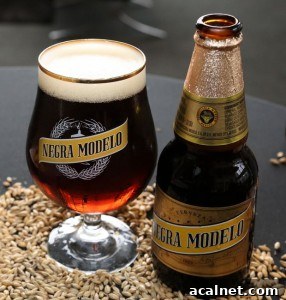
Negra Modelo is brewed in the Munich Dunkel tradition: malts are slow-roasted, producing a deep amber color and flavors of caramel and chocolate without the heavy roasted bitterness some dark beers have. Chef Bayless noted that, with eyes closed, Negra Modelo doesn’t taste like a typical dark beer — it’s malty and flavorful but balanced. He uses it in savory dishes and desserts alike; his restaurant makes a chocolate ice cream incorporating Negra Modelo, showcasing how the beer’s toasty maltiness can enhance a sweet application.
Chef Bayless suggested pairing Negra Modelo with heartier preparations: fish stews, black mole, and slow-cooked barbacoa, especially lamb. At our dinner the beer accompanied a Dungeness crab and tomato bisque, a halibut taco with crispy Brussels sprout chips, and a carnitas torta where the pork was braised in Negra Modelo itself.
On my own blog I’ve used beer in slow-cooked carnitas; after this tour I plan to try Negra Modelo both as an ingredient in the cooker and as a companion on the table.
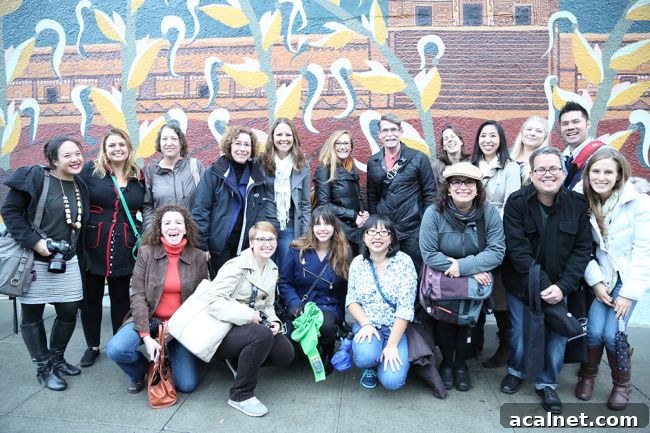
The tour was a chance to see the Mission through Chef Rick Bayless’s perspective and to connect with many Bay Area food bloggers. Along the way we learned about traditional ingredients, regional techniques and approachable ways to bring Mexican flavors into home cooking while pairing dishes with a beer that complements those flavors.
Amy of Amy’s Healthy Baking
Amy of Cooking with Amy
Amy of Very Culinary
Annelies of The Food Poet
Anita of Dessert First
Cassie of Ever in Transit
Gabi of Broke Ass Gourmet
Irvin of Eat The Love
Jane of This Week for Dinner
Jasmine of Simply Real Moms
Kimberly of Bake Love Give
Sara Deseran, cookbook author and restaurateur
Sean of Hedonia & Punk Domestics
Stephanie of Lick My Spoon
TerriAnn of Cookies & Clogs
Trish of Mom On Timeout
Do you drink or cook with beer? Share your beer knowledge or questions in the comments below!
I was compensated for this post and for social media sharing during the tour by Negra Modelo. All opinions are my own and I am grateful to share what I learned about Mexican cuisine, beer, and the historic eateries of San Francisco’s Mission district.