Too much stuff, not enough space, and no idea where to start? I’ve been there. Below is a clear, practical framework for decluttering your home, designed to help busy households simplify their spaces and keep them that way.
When I first tried to declutter, I made every mistake: diving into a closet after a rough week and getting buried in a mountain of clothes. It was overwhelming. But after I finished, the payoff was immediate—a calmer closet, easier mornings—and that small win gave me momentum to continue. Over the next year I decluttered our whole home, and since then I’ve helped many others do the same. From those experiences I developed a system to move through your home efficiently and establish simple habits that keep clutter from returning.
A simple formula to declutter your home (and keep it that way)
Most decluttering advice tells you to “get rid of stuff” but rarely explains what to do with what remains or how to stop clutter from returning. The SOS Declutter Method breaks the work into three repeatable steps that you can use in any room:
- Simplify: Pare down to what you actually use and love; let go of the rest.
- Organize: Give everything a logical home. Use what you already have before buying organizers.
- Systematize: Build simple boundaries and habits so the space stays clutter-free.
This article explains how to apply the SOS approach room by room and gives a recommended order for tackling your house. If you want a checklist, a room-by-room declutter checklist is useful for step-by-step guidance.
Choose a decluttering timeline that fits your life
Decluttering isn’t a one-size-fits-all project. Your plan depends on your space, schedule, and energy. Pick a timeline that feels sustainable so you build momentum without burning out.
For apartments or smaller homes
- Three-month plan: Work on one area every 1–2 weeks; repeat the cycle if you finish early.
- Two-month plan: Declutter one room or category per week.
- One-month plan: Commit 20 minutes daily to small zones (drawers, cabinets) plus a few longer weekend sessions.
For family homes (3+ bedrooms)
- One-year plan: Tackle one room or category per month—good for busy families.
- Six-month plan: Two rooms or categories per month; start with easier spaces like entryways and bathrooms.
- Three-month plan: One room or category per week.
- One-month sprint: 15–30 minutes daily plus focused weekend blocks for faster progress.
Tip: Prioritize momentum over perfection—small wins create motivation to keep going.
Where to start decluttering your home (and why the order matters)
Some rooms deliver fast, visible results; others are more time-consuming. Start where you’ll notice the biggest difference quickly to build confidence. A common recommended order is:
- Entryway & mudroom: Immediate payoff that improves daily routines.
- Bathrooms: Small spaces with quick wins and obvious tosses.
- Kitchen: Central to daily life; simplifying here pays off immediately.
- Toys: If you have kids, clearing toys first makes living areas easier.
- Living spaces: More manageable after toy edit; clears visible clutter.
- Closets & clothing: High-impact but takes time—do it after early wins.
- Bedrooms: With simplified closets, bedrooms become restful again.
- Laundry & linens: Practical edits that smooth daily routines.
- Home office & paper: Mentally heavy but impactful; best after you’ve established habits.
- Storage spaces (garage, basement, attic): Save for last; these areas are large and often emotional.
Adapt the order to your priorities, but aim for early wins to build momentum.
Helpful decluttering supplies
Keep a few basics handy to make the process easier:
- Trash bag for broken or obvious trash
- Donation box or bag for items to give away
- Recycle bin for paper and packaging
- Vacuum or handheld cleaner
- All-purpose spray and cloth for quick wipes
- Timer to stay focused and prevent burnout
How to Declutter Your Home: A Room-by-Room Guide
Entryway & mudroom
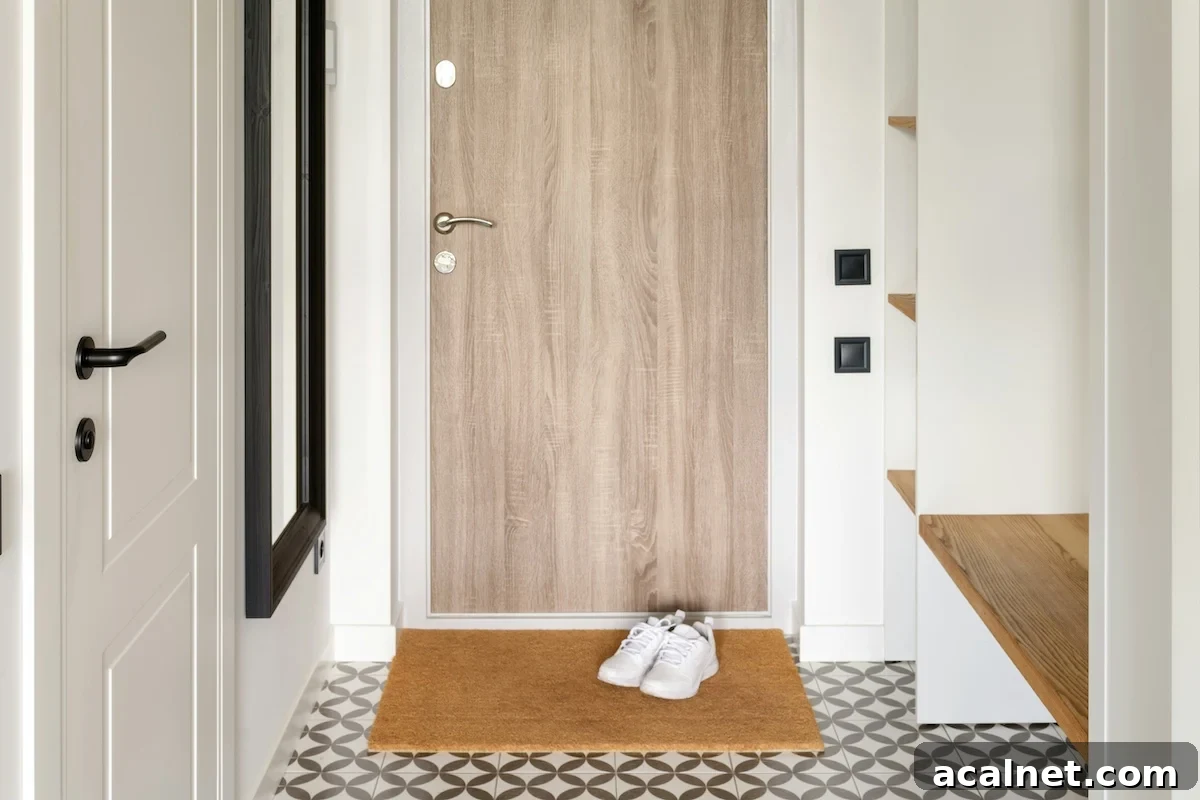
Entryways set the tone for your whole home. Start by emptying and editing: keep only seasonal and frequently used coats, shoes, and bags. Recycle junk mail and store important papers in a tray for follow-up. Organize by person (baskets or hooks), by category (shared items in bins), and designate a small tray for keys and wallets. Systematize with limits—if it doesn’t fit, it goes—and quick resets every few days. Rotate seasonally and assign each family member responsibility for their items.
Bathrooms
Bathrooms fill with small items that quickly multiply. Work by category—dental care, skincare, hair tools, medicine cabinet, etc.—and spend 5–15 minutes per category to toss expired or unwanted items. Organize daily essentials into a small bin or tray, use drawer dividers for hair tools, and keep under-sink supplies in clear bins. Maintain with a small backups space, a nightly 30-second reset, and a twice-yearly sweep for expired products.
Kitchen
The kitchen benefits from short, focused sessions. Work zone by zone—counters, drawers, pantry, fridge, and under-sink. Let go of single-use gadgets and mismatched containers; combine duplicates and toss expired foods. Organize by keeping tools near their zone of use, grouping like items, and applying a simple rule: if you don’t use it frequently, it doesn’t get prime space. Maintain the kitchen with a nightly reset, weekly tidy before shopping, and a seasonal cabinet sweep.
Toys
Toys are a major source of clutter but also straightforward to tame. Edit by category (dolls, building toys, crafts, games, etc.) rather than room so you can see all duplicates and what’s actually played with. Donate broken or outgrown toys, and keep items that spark imagination. Organize into small play zones with labeled bins and rotate extras to keep play interesting. Systematize with a one-in, one-out rule, space limits, quick daily tidy-ups, and seasonal swaps.
Living spaces
Start by clearing visible surfaces—coffee tables, shelves, and consoles. Return misplaced items to their homes and remove decor that doesn’t add value. Contain small items in baskets, define a single drop zone for stray items, and consider storage furniture with hidden compartments. Keep the room calm with a short end-of-day reset, seasonal declutters, and “carry something with you” tidy habits.
Closets & clothing
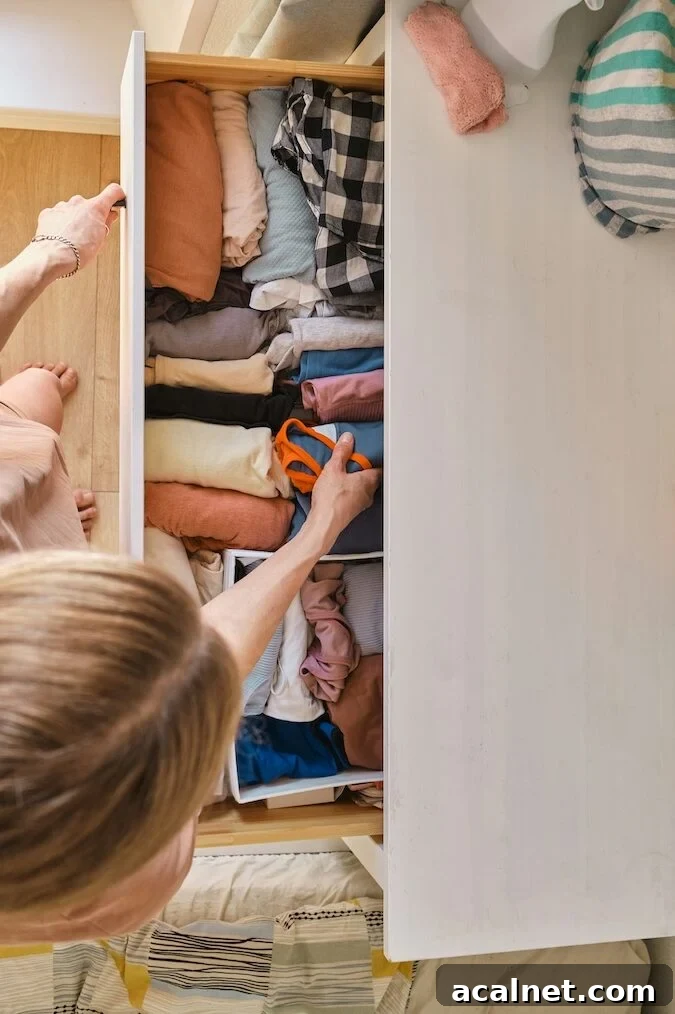
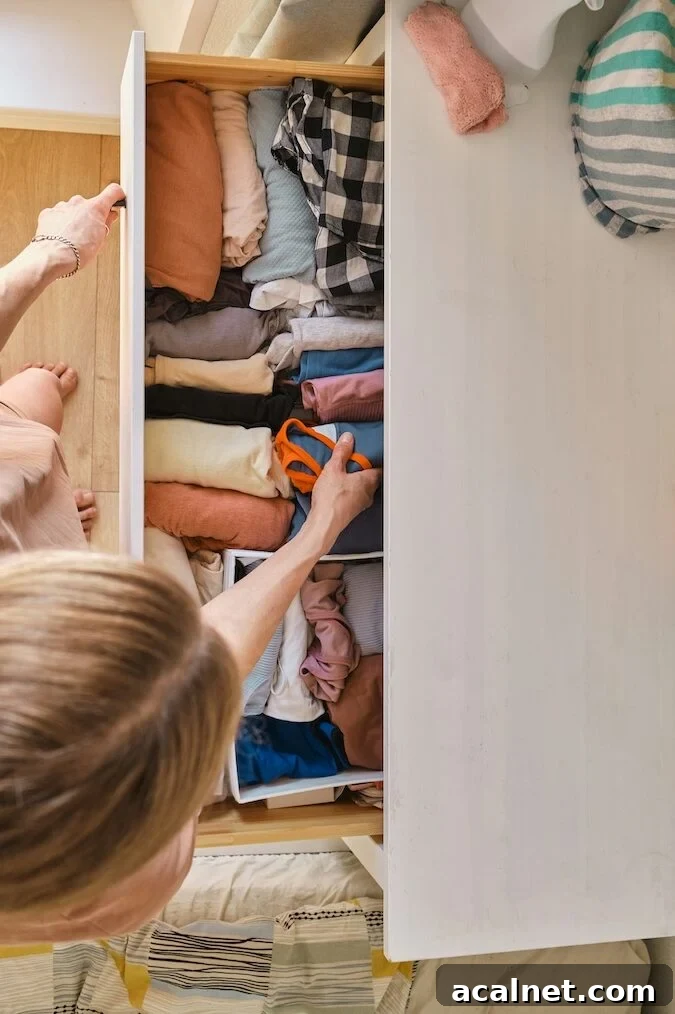
A simplified wardrobe saves time every morning. Edit by what you wear regularly, not by “someday” pieces, and move off-season items out of the way. Group clothing by category and color, choose matching hangers for a tidy look, and contain accessories using bins or dividers. Maintain with a one-in, one-out rule, seasonal resets, and a donation bag kept in the closet.
Bedrooms
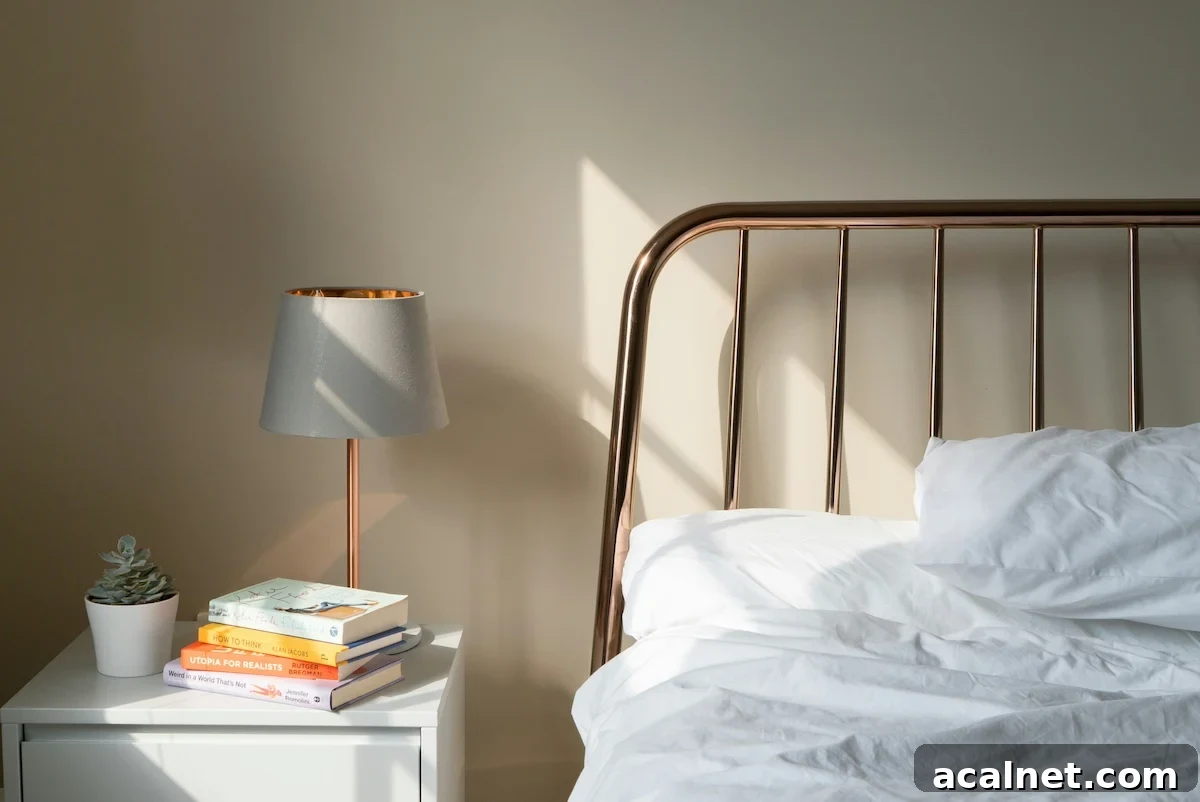
Make the bed and clear nightstands and floors to create a restful space. Return non-bedroom items to their proper homes and keep surfaces minimal. Corral bedside essentials in a tray, use hidden storage for off-season items, and build small daily and evening routines: two-minute morning resets, five-minute evening tidies, and a regular laundry rhythm.
Laundry & linens
Keep laundry rooms functional by editing supplies and retiring worn linens. Organize hampers, folding space, and supplies together. Store sheet sets inside a pillowcase and keep only one or two backup sets per bed. Build a laundry rhythm—daily loads or scheduled days—and fold and put away before the day ends to prevent piles.
Home office & paper
Paper requires ongoing decisions. Start by clearing surfaces and downsizing supplies. Sort papers into broad categories: to file, to do, follow-up, and to shred. Create a single drop zone for incoming mail, keep active projects visible in a tray, and use broad filing categories that are easy to maintain. Digitize where possible and review paper weekly to prevent backlog.
Storage spaces (garage, basement, attic)
These areas easily become catch-alls. Start with the largest items to create immediate space, then work zone by zone. Be realistic about “just in case” items—if you haven’t used it in a year, consider letting it go. Use shelving, labeled bins, vertical storage, and a donate/sell zone to maintain order. Label and date boxes and schedule a seasonal pass to reassess stored items.
Ready to start? Choose one room or category and give yourself a quick win today—momentum builds from progress.