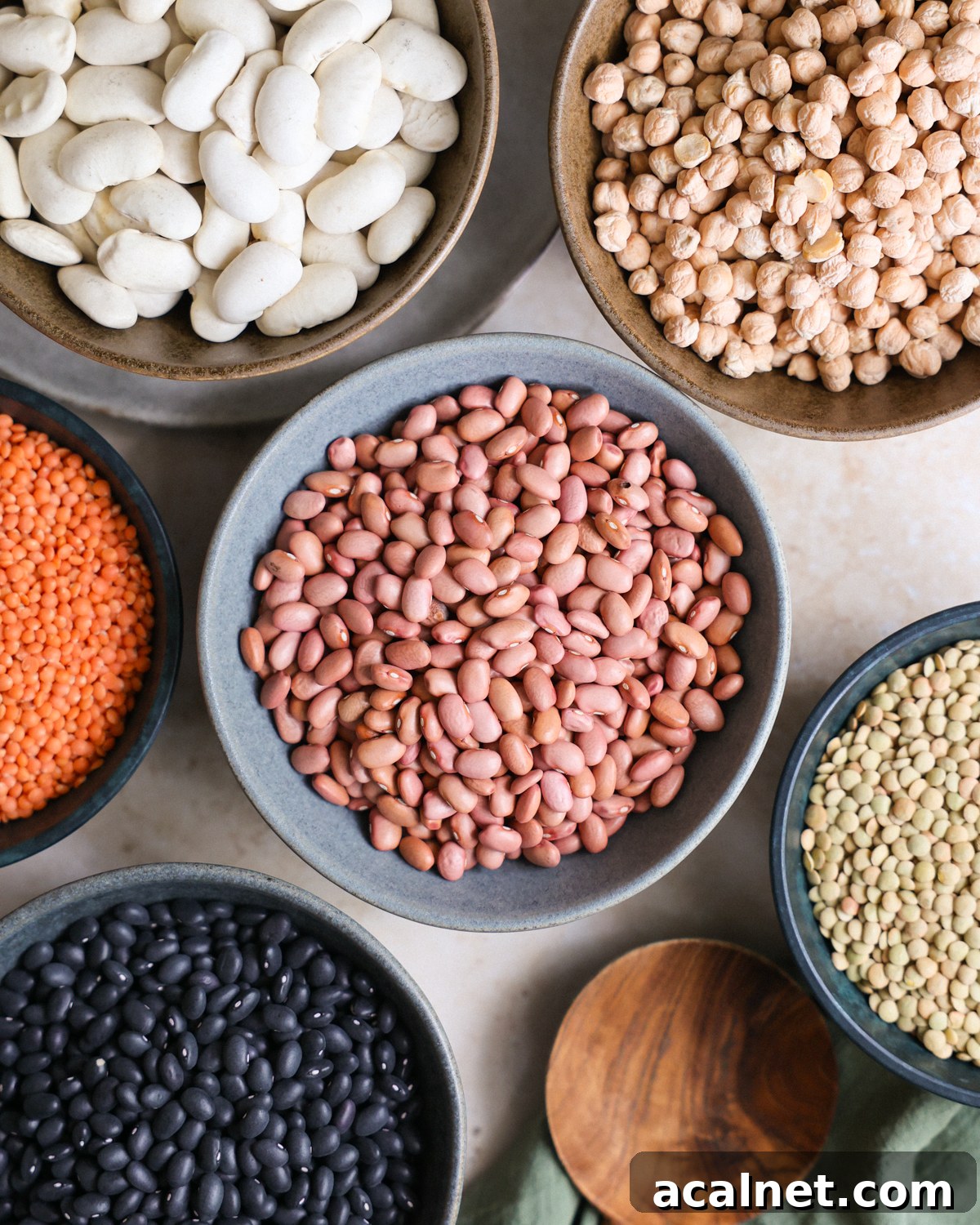
Your complete guide to How to Make Beans: a reliable recipe, cooking times, pro tips, and simple variations. Once you make tender, creamy beans from dried beans, it’s hard to go back to canned. They’re flavorful, nutritious, inexpensive, and easy to prepare — a perfect addition to many meals.
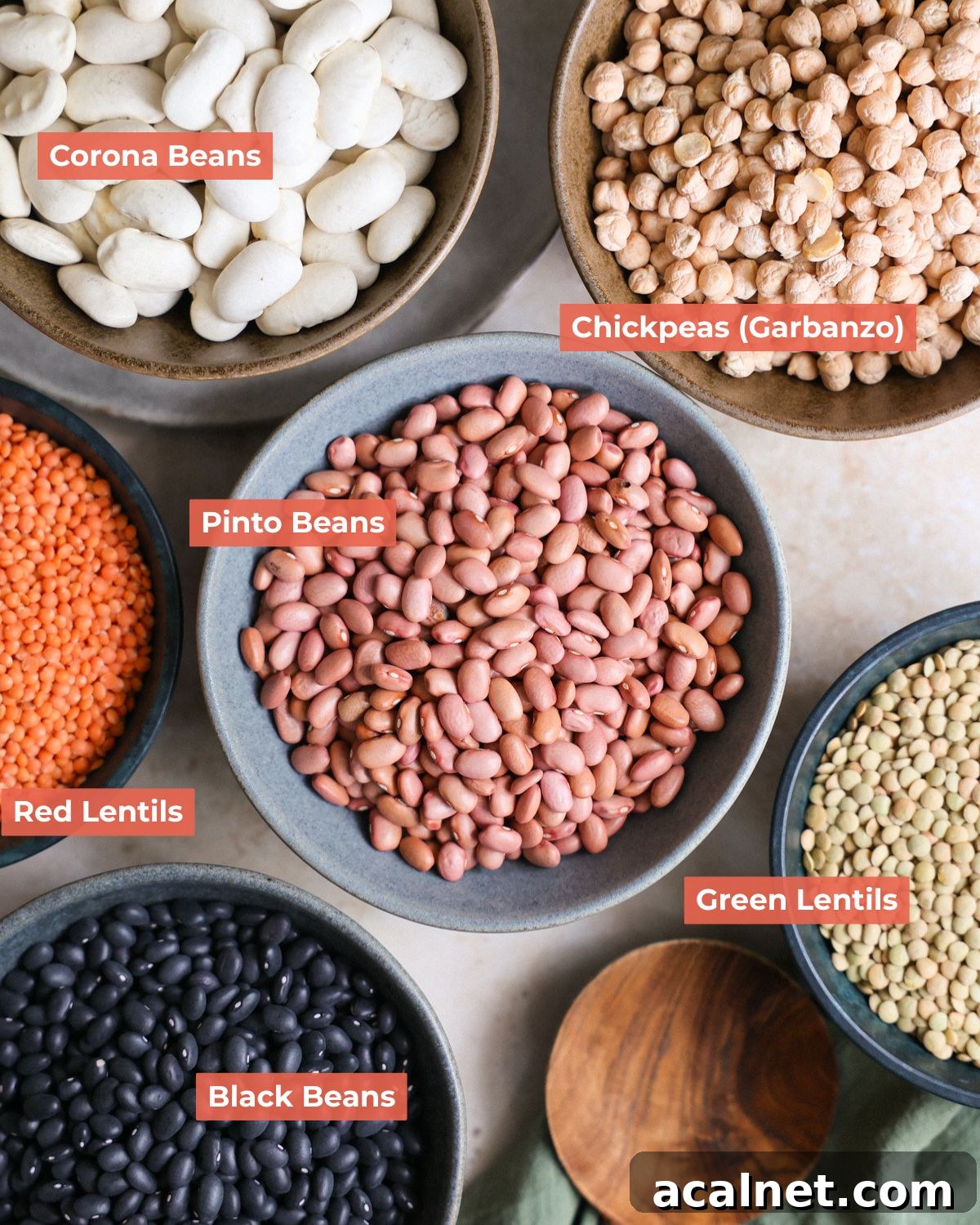
As a plant-based cook for over 15 years, I rely on beans constantly. They’re filling, packed with protein and fiber, budget-friendly, and adapt well to countless dishes.
While canned beans are convenient, dried beans cost a fraction of the price and yield a richer, creamier texture when simmered with stock and aromatics. Learning this simple method saves money and elevates flavor.
This page shares my straightforward method for cooking dried beans, with practical tips so even beginners can produce consistent, tender beans every time. The process is mostly hands-off: soak, drain, simmer, and season.
Table of Contents
- Why Use Dried Beans Instead of Canned?
- Ingredients
- How to Cook Dry Beans
- Bean Cooking Times
- Jenné’s Recipe Tips
- Express Soaking Options
- Beans That Don’t Require Soaking
- How to Make Beans Less Gassy
- Seasoning Variations
- Storage Directions
- Bean Recipes
- How to Cook Beans Recipe
Why Use Dried Beans Instead of Canned?
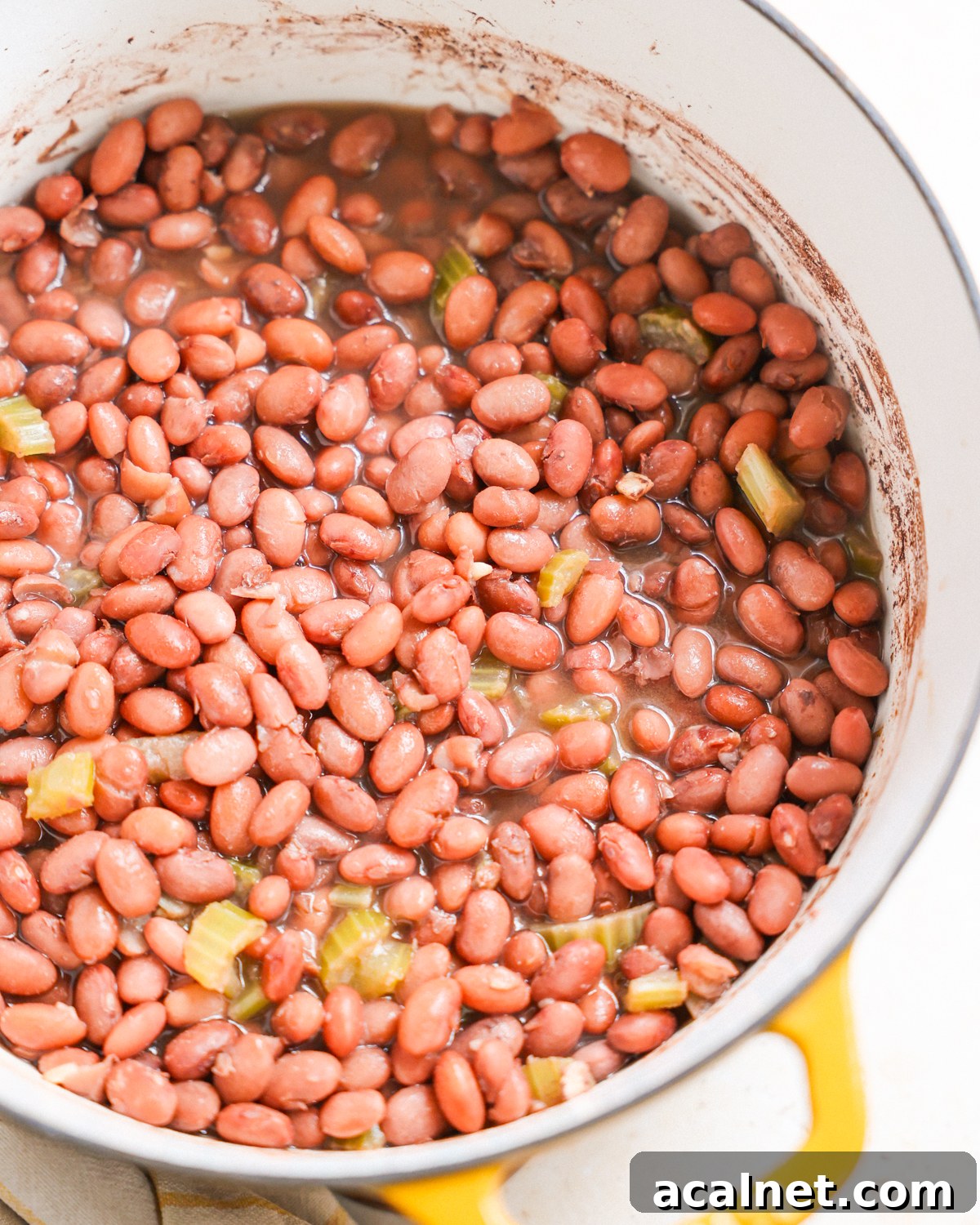
Dried beans taste fresher, can be gentler on digestion when prepared properly, and are far more economical. Cooked from scratch, they become tender and creamy with more depth of flavor than typical canned options. For reference, one 14-oz can equals about 1 1/2 cups of home-cooked beans.
Ingredients
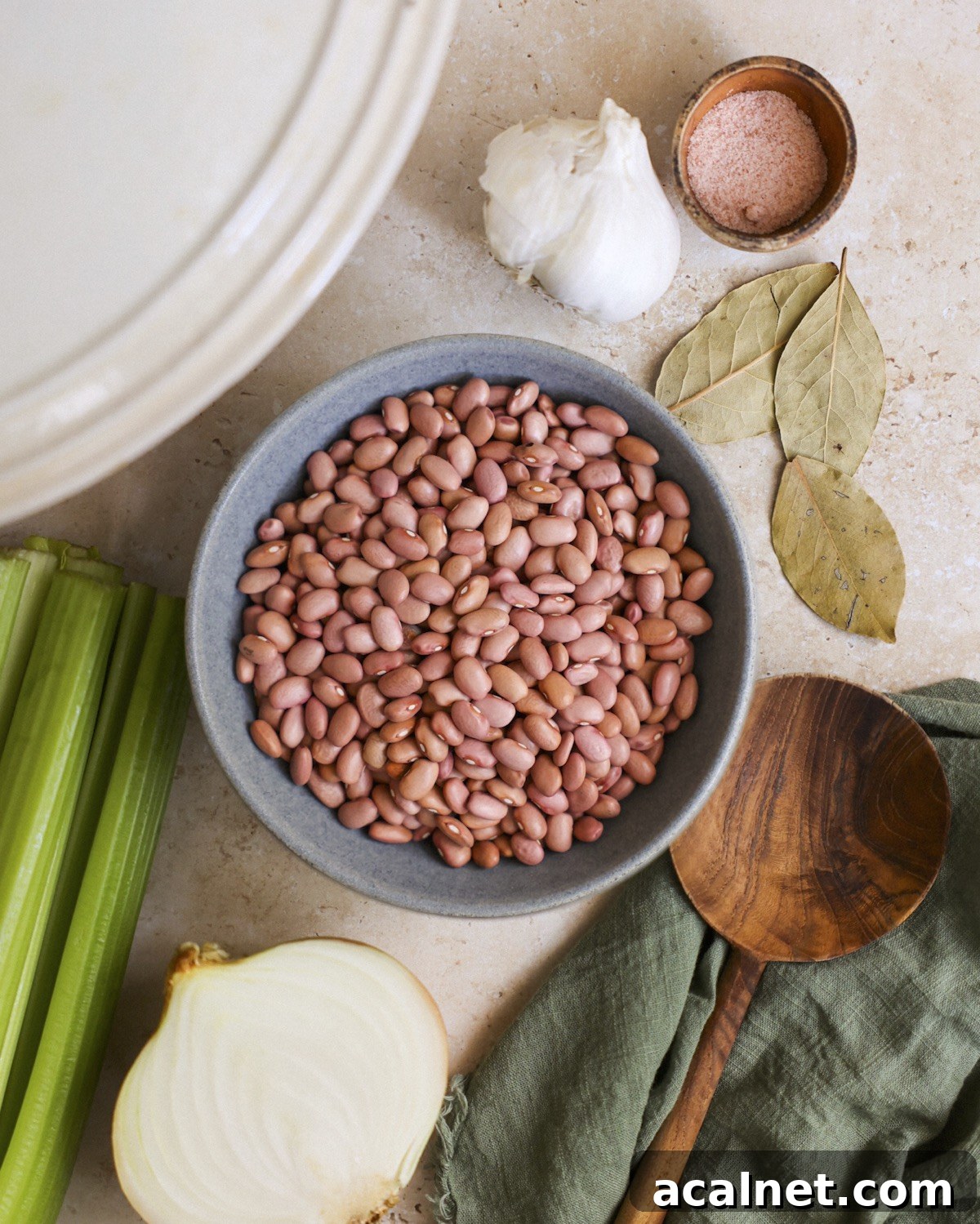
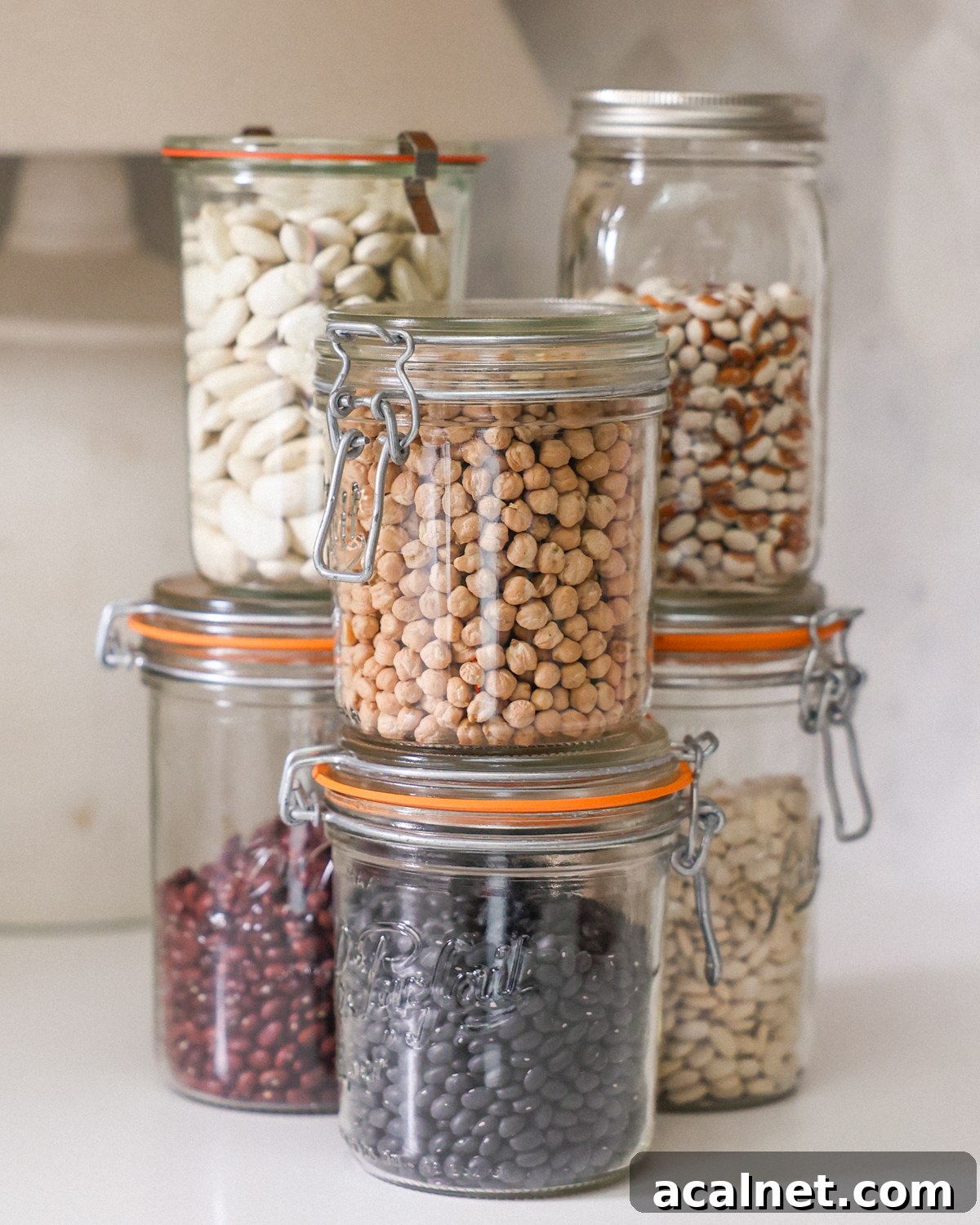
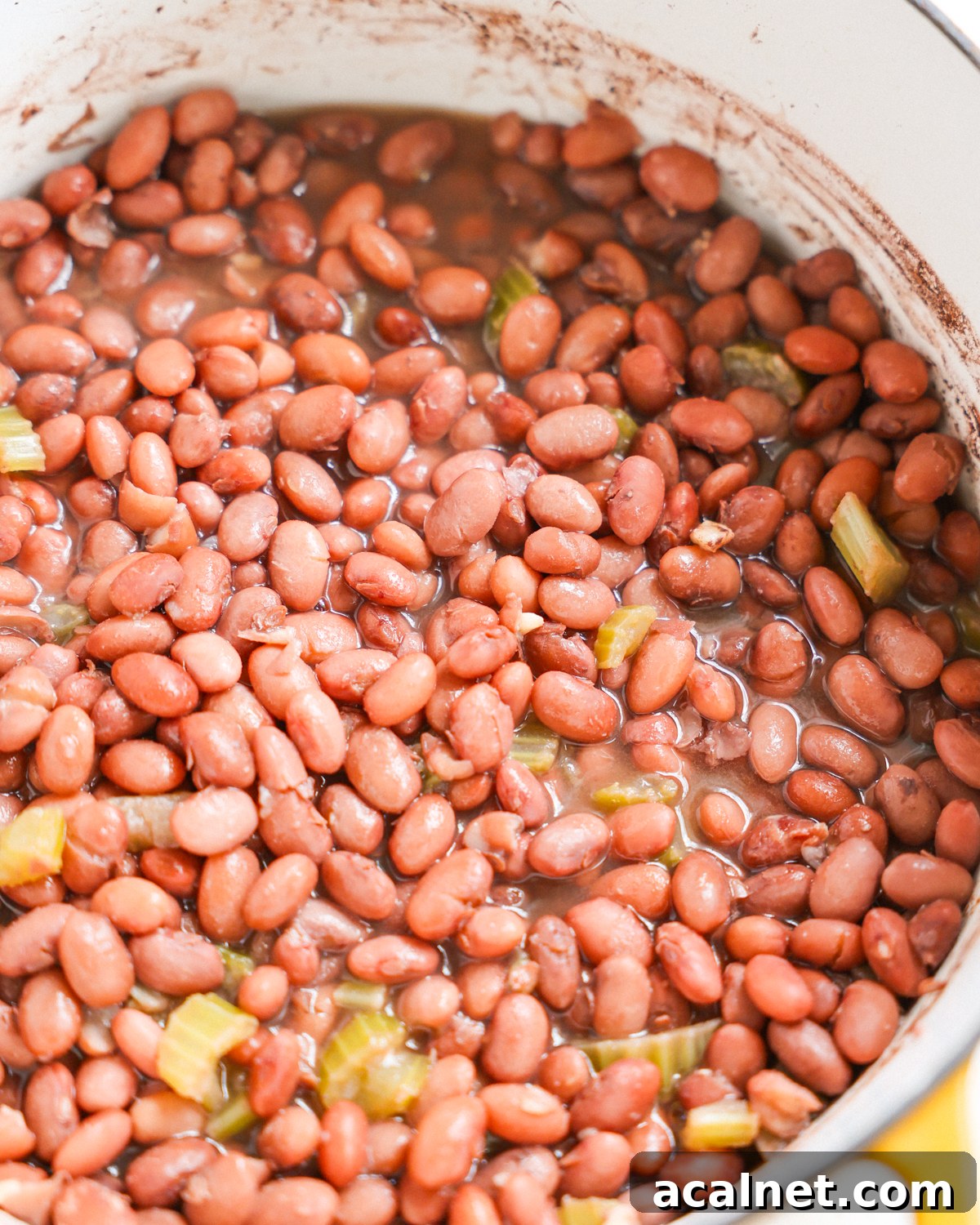
Dried beans: Any variety will work — black, kidney, pinto, navy, black-eyed peas, chickpeas, lentils, and more. In the photos, heirloom pink beans (similar to pintos) are used.
Vegetable stock or water: Use homemade or store-bought vegetable stock for extra flavor, mushroom stock for added umami, or plain water if you prefer a neutral base.
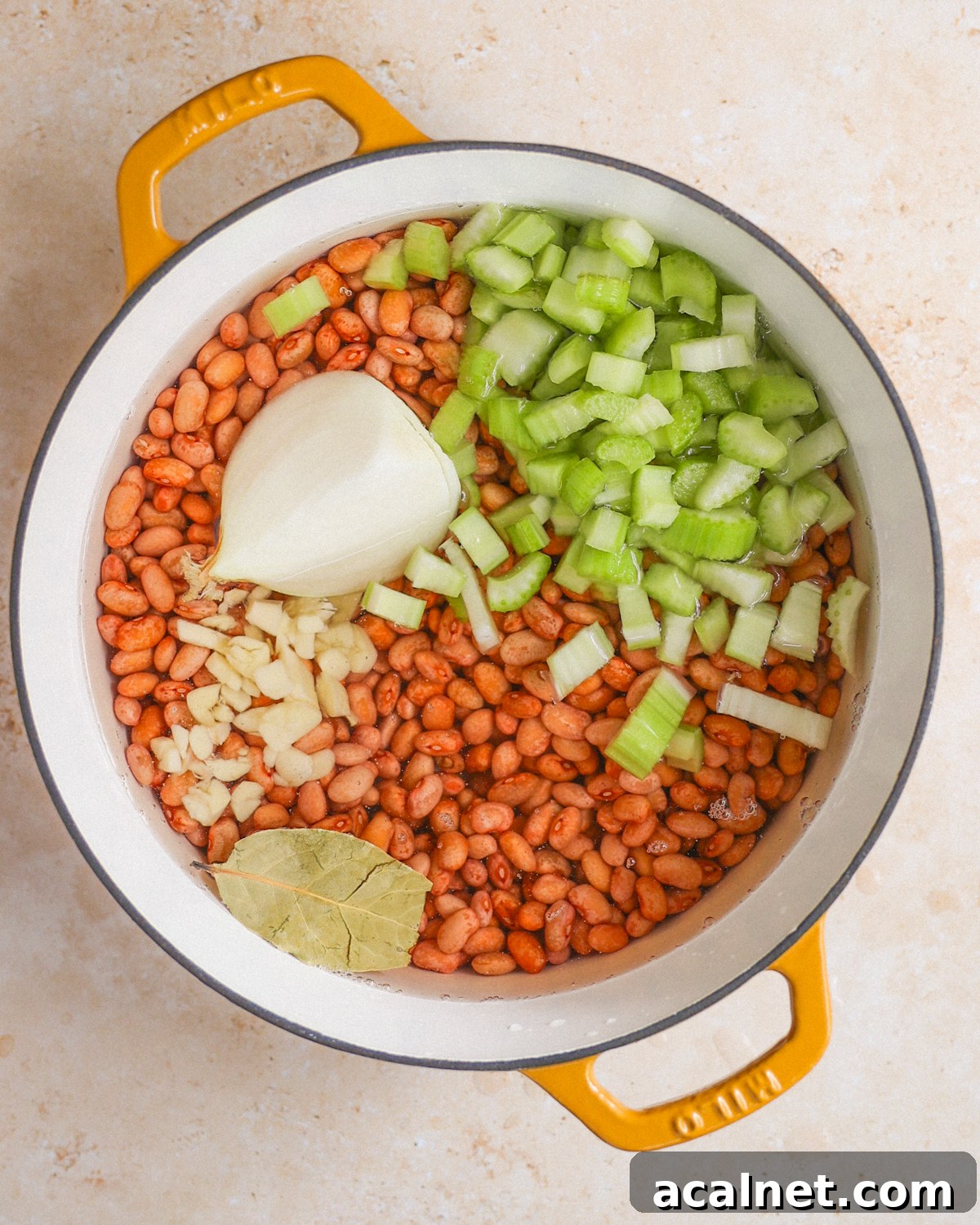
Aromatics (optional): Chopped onion, minced garlic, and diced celery add savory depth.
Seasonings: A bay leaf adds gentle herbal aroma and may help with digestion; salt enhances flavor and should be added near the end of cooking.
How to Cook Dry Beans
Make tender, delicious beans in five simple steps:
- Prepare: Sort the beans to remove any debris or damaged beans.
- Soak: Place beans in a large bowl or pot and cover with at least 1 inch of cool water. Soak for 8 hours or overnight.
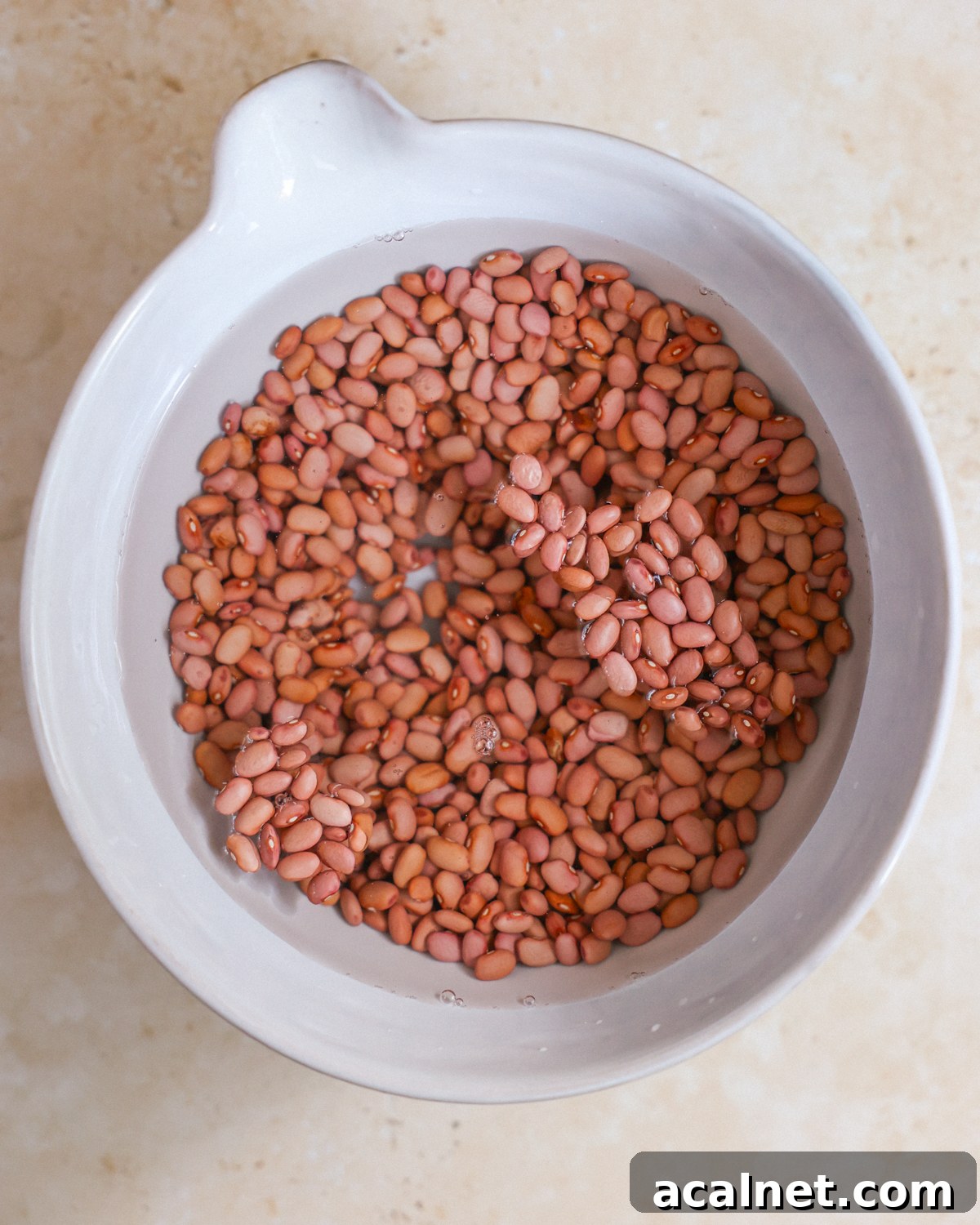
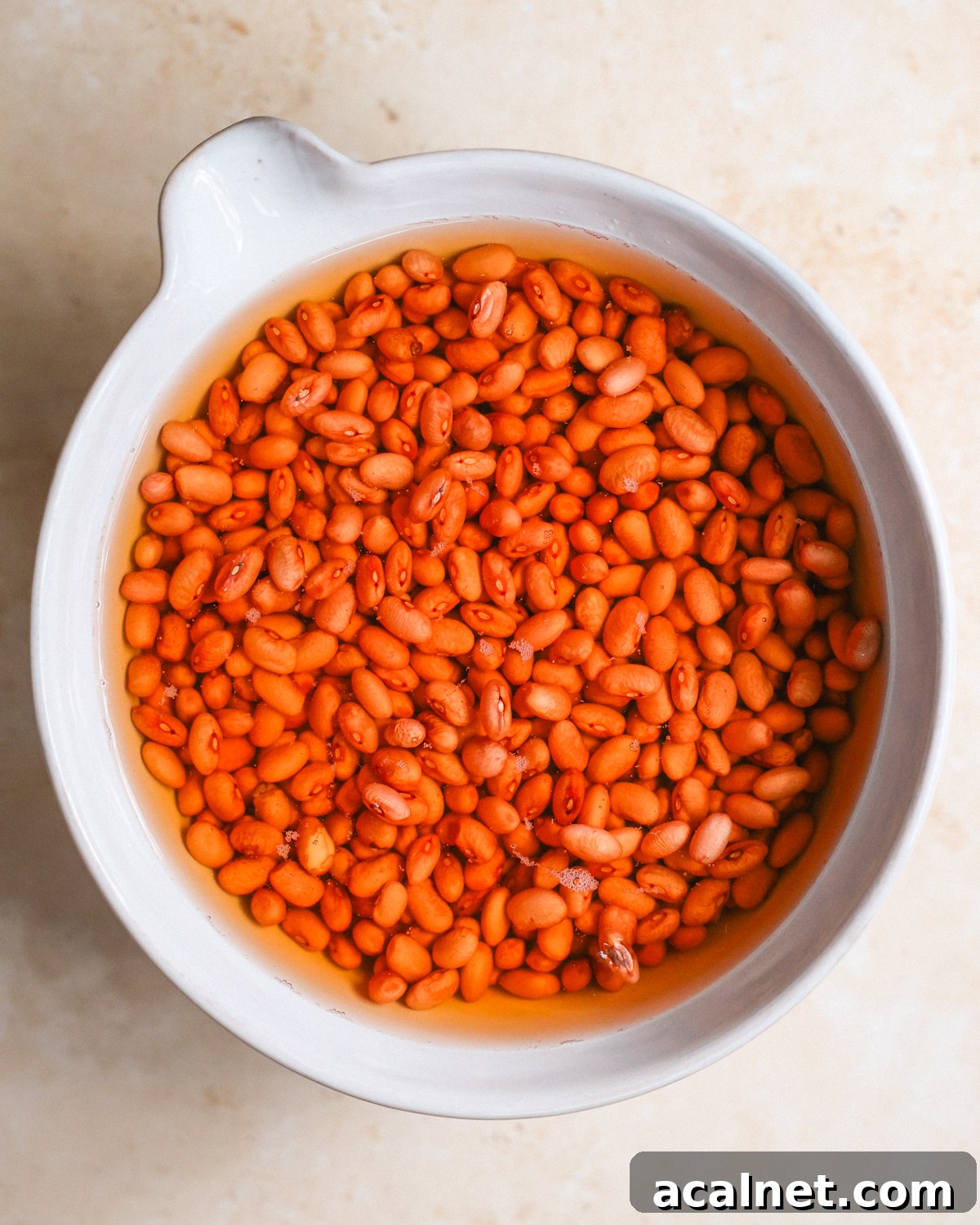
- Boil: Drain and rinse soaked beans, transfer to a Dutch oven, and cover with stock or water. Add bay leaf and aromatics if using. Bring to a boil and skim off any white foam that forms.
- Simmer: Reduce heat to medium-low and simmer with the lid slightly ajar until the beans are tender. Most beans take about 60 minutes; some (like kidney beans) may take up to 90 minutes. Check at 45 and 60 minutes and add liquid as needed.
- Finish: Add salt in the last 5 minutes of cooking. For creamier beans, stir in 1–2 tablespoons of oil or mash a few beans against the pot to thicken the liquid.
Bean Cooking Times
Cooking times vary by bean type and other factors. The table below summarizes typical soak and cook times:
Bean
Soak Time
Cook Time
Red/Kidney Beans
8 hours
60–90 minutes
Black-Eyed Peas
Not necessary (I soak for 8 hours)
60–90 minutes
Butter/Large Lima Beans
8 hours
45–60 minutes
Baby Lima Beans
8 hours
60 minutes
Lentils (Green, Black, Brown)
No soak needed
30–45 minutes
Cannellini Beans
8 hours
60–90 minutes
Navy Beans
8 hours
60–90 minutes
Pinto Beans
8 hours
60–90 minutes
Black Beans
8 hours
60–90 minutes
Chickpeas/Garbanzo Beans
8 hours
60–90 minutes
Jenné’s Recipe Tips
- Sort and rinse: Always remove debris and discolored or shriveled beans, then rinse thoroughly to remove dust.
- Skim foam: Remove the white sudsy foam that forms when boiling — it contains starches and oligosaccharides that can cause digestive discomfort and affect flavor.
- Add liquid as needed: Top up with water or broth one cup at a time if the pot gets low during a long simmer.
- Test for doneness: Freshness, water minerals, and altitude affect cook time. Check beans at 45 and 60 minutes and continue simmering until tender.
- Altitude: Above about 3,500 feet, add 15–30 minutes to simmer time because lower atmospheric pressure slows cooking.
- Water hardness: Hard water lengthens cooking time; mineral-rich water can slow water penetration into the skins.
- Make them creamy: For silky beans, stir in 1–2 tablespoons of oil near the end or mash a few beans against the pot to thicken the broth.
- Keep it simple: For plain beans, cook in water and skip aromatics and spices.
Express Soaking Options
The most reliable soak is 8 hours in cool water. If short on time, use a hot-soak method: bring beans and water to a boil, simmer 2–3 minutes, then remove from heat and let soak 2–3 hours. Another option is pouring boiling water over the beans and letting them sit a couple of hours before draining and cooking.
Beans That Don’t Require Soaking
Some legumes don’t need soaking and cook more quickly. For these, simply sort, rinse, and simmer:
- Lentils or split peas: Combine 1 cup lentils or split peas with 2 cups water, cover, and simmer 25–35 minutes until tender. They’re also easy in a pressure cooker.
- Adzuki beans: Use 3–4 cups water per cup of beans, bring to a boil, then simmer covered 40–50 minutes until tender.
How to Make Beans Less Gassy
- Baking soda: Add 1 teaspoon to the soak water to help break down oligosaccharides.
- Replace soak water: Drain and rinse beans after soaking before cooking.
- Kombu seaweed: Cook with a piece of kombu to reduce raffinose, a common gas-causing sugar in beans.
- Cook thoroughly: Undercooked beans are harder to digest; let them simmer until fully tender.
- Build tolerance: Regular consumption can help your digestion adapt over time.
Seasoning Variations
Customize flavor with simple additions:
- Herbs: Add a sprig of rosemary or thyme, or a dried herb blend like Italian seasoning.
- Aromatics: Try sliced leeks, scallions, shallot, ginger, or diced carrots in place of or with onion and celery.
- Olive oil: Stir in a tablespoon or two of good olive oil at the end for a peppery finish.
- Spice: Add peppercorns, smoked salt, or dried chiles for heat and complexity.
Storage Directions
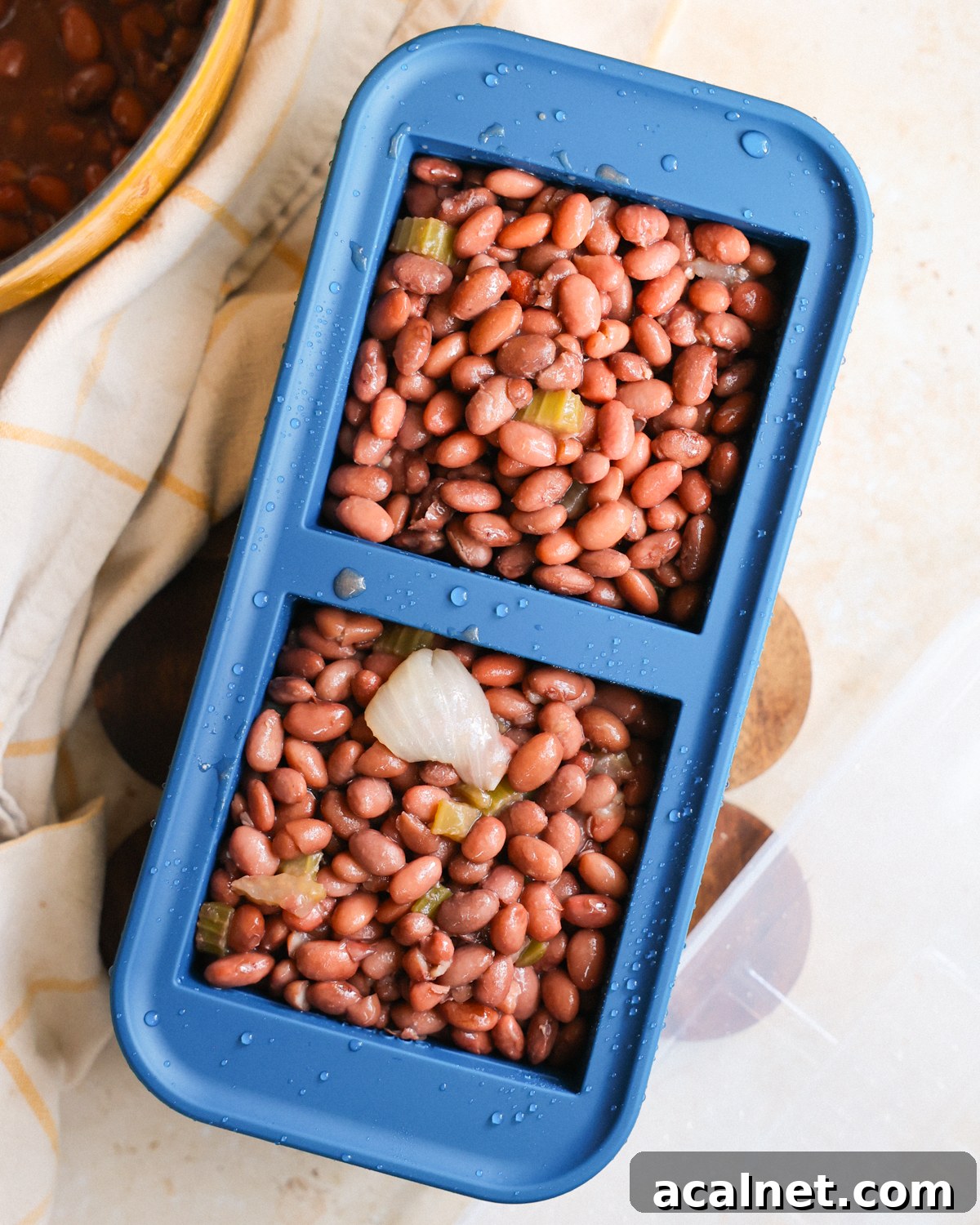
- Refrigerate: Cool beans to room temperature, then store in an airtight container for up to 5 days.
- Freeze: For longer storage, freeze beans in a freezer-safe container for up to 3 months. Portioning into silicone trays before freezing makes thawing and meal prep easier.
Bean Recipes
Once you have cooked beans, use them in soups, chilis, salads, bowls, burgers, and more. They’re versatile and adapt well to many cuisines and preparations.
- Red beans and rice
- Black-eyed pea salad
- Marinated white bean salad
- Black bean burgers
- Vegan nachos
- Breakfast hashes and grain bowls

How to Cook Beans
Video
Ingredients
- 1 lb dried beans, such as pinto beans (any kind works)
- 6–8 cups vegetable stock or water
- 1 bay leaf
- 1/2 medium yellow onion, peeled and halved (optional)
- 2 garlic cloves, minced (optional)
- 2 stalks celery (about 1 cup), chopped (optional)
- 2 tsp salt, optional; add in last 5 minutes
- 2 tbsp avocado oil, or other oil; optional for creaminess
Instructions
-
Sort the beans, removing debris or irregular pieces.
-
Place beans in a large bowl or pot and cover with at least 1 inch of cool water. Soak for 8 hours or overnight.
-
Drain and rinse. Transfer beans to a Dutch oven and cover with stock or water. Add bay leaf and aromatics if using. Bring to a boil and skim any foam.
-
Reduce heat to medium-low and simmer with the lid ajar until beans are tender, about 60 minutes for most beans and up to 90 minutes for some varieties. Check at 45 and 60 minutes and add liquid if needed.
-
Season with salt in the last 5 minutes. For creamier beans, stir in oil or mash a few beans against the pot to thicken the broth.
Notes
- Refrigerating: Once cooled, store beans in an airtight container for up to 5 days.
- Freezing: Cooled beans freeze well for up to 3 months; portioning into a silicone tray makes thawing easier.
Jenné’s Recipe Pro-Tips
- Sort and rinse: Remove any debris or misshapen beans before cooking.
- Skim foam: Remove the foam for cleaner flavor and easier digestion.
- Test for doneness: Check beans as they cook and extend simmer time as needed based on freshness, water, and altitude.
- Adjust for altitude and water hardness: High elevation and hard water require longer cooking.
- Make them creamy: Add 1–2 tbsp oil or mash a few beans at the end for a silkier texture.
Nutrition
Like this recipe? Rate and comment below!