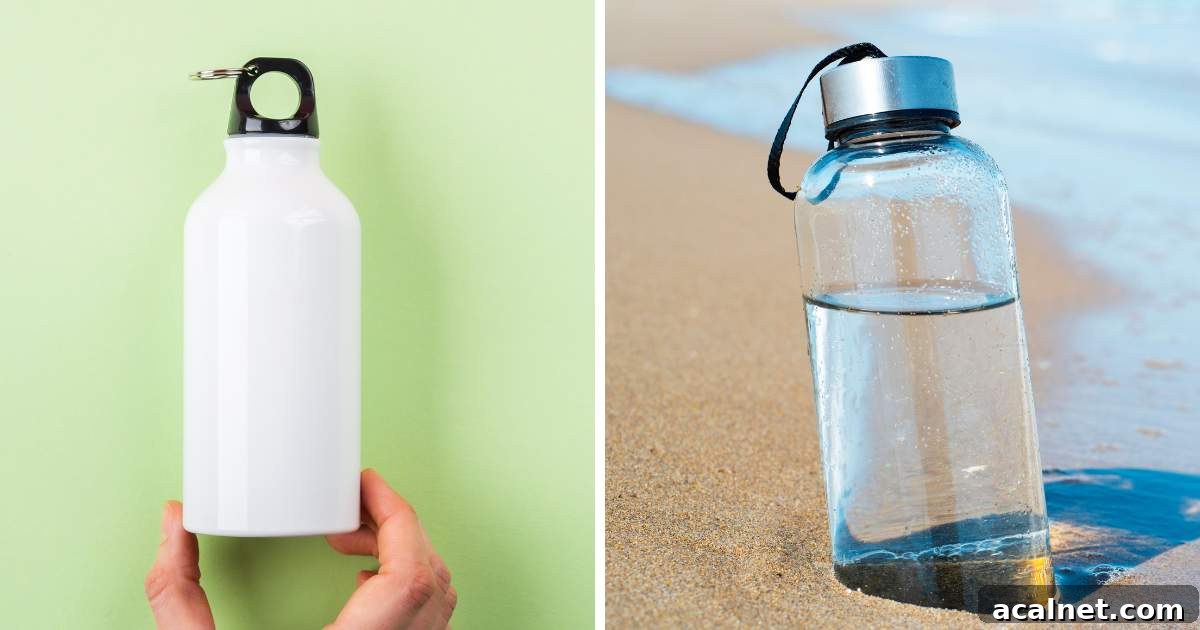
If you’re deciding between a stainless steel or a glass water bottle, this guide will help. Choosing the right reusable bottle makes staying hydrated on the go easier, but with so many options it can be hard to know which is best for your needs.
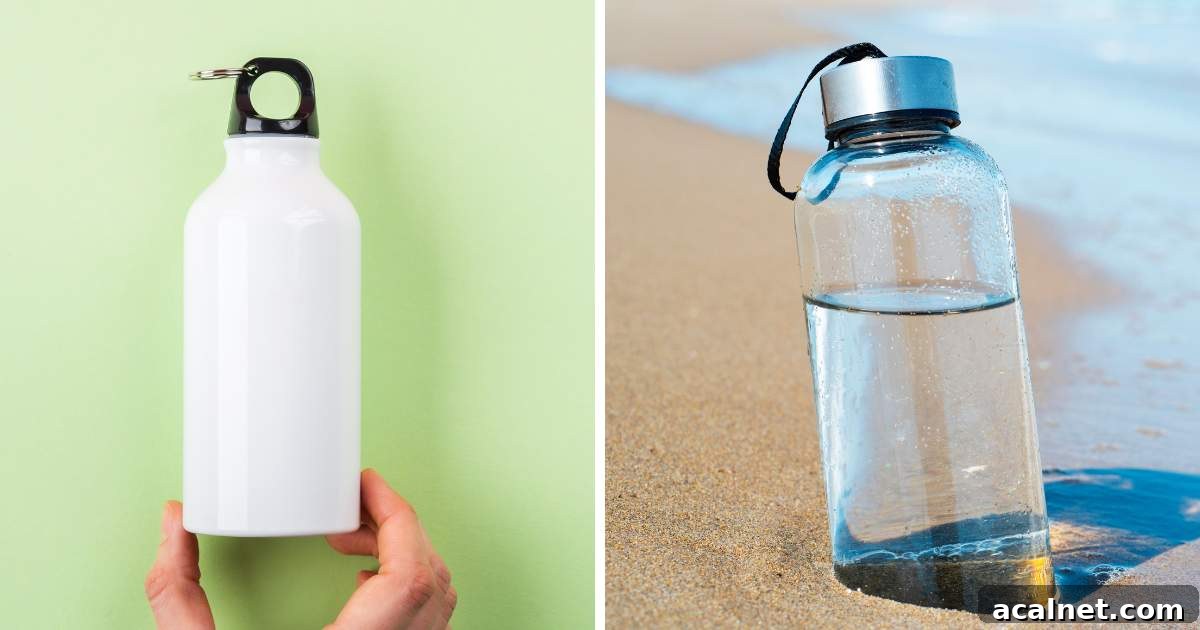
Stainless steel and glass bottles are two of the most popular reusable options. Each has distinct advantages and trade-offs, and the right choice depends on how you plan to use the bottle. Below I break down the pros and cons of each type and compare them across common decision factors.
Stainless Steel Water Bottles: Pros and Cons
Stainless steel bottles rose to mainstream use in the 1980s and have since become a top pick for reusable drinkware. They are widely available in many sizes and finishes and are often chosen for their durability and insulation options.
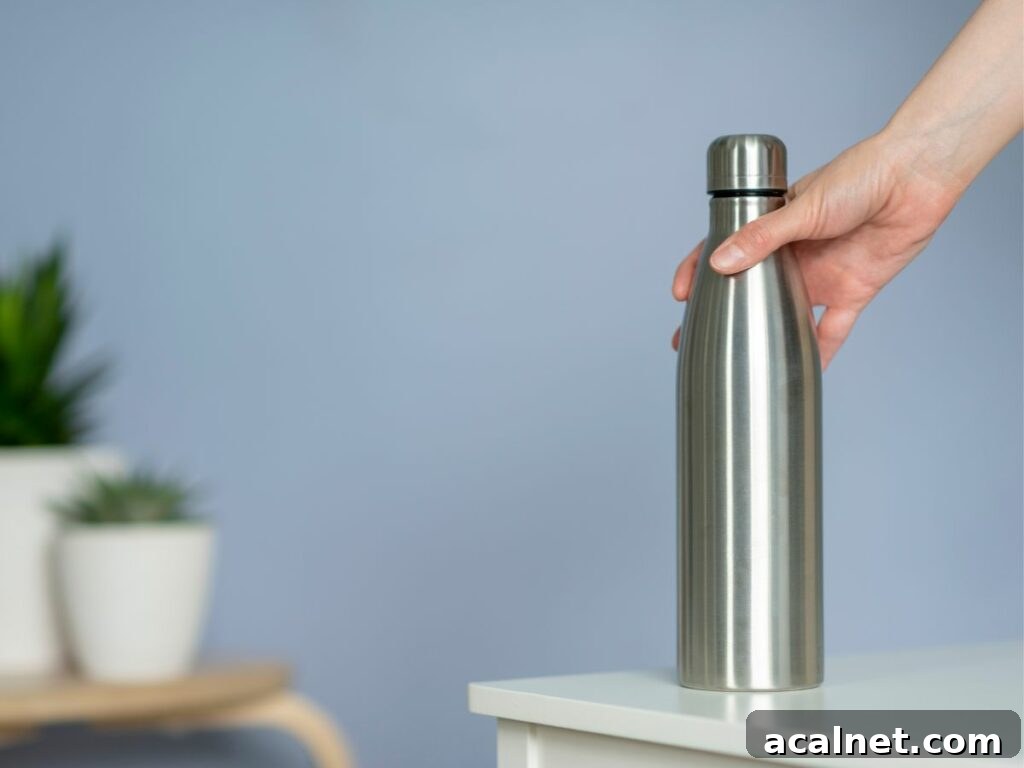
Pros
- Durable and impact-resistant — stainless steel handles drops and rough use much better than glass.
- Many models are insulated (double-walled or vacuum insulated) to keep drinks cold or hot for hours.
- Lightweight compared with glass of similar volume, making it easier to carry for daily use and outdoor activities.
- Easy to clean — many bottles and lids are hand-washable and some are dishwasher-safe.
- Available in many colors, finishes, and sizes, including kid-friendly mini versions.
Cons
- Low-quality steel can sometimes impart a metallic taste; choosing high-grade stainless (304/18-8 or 316 in some cases) avoids this problem.
- Smooth finishes can feel slippery when wet; powder-coating or textured finishes improve grip.
- Exterior coatings can scratch or dent over time, though the bottle usually remains usable after impacts.
Glass Water Bottle: Pros and Cons
Glass bottles are a popular alternative for people who want a plastic-free option and a neutral tasting vessel. Advances in manufacturing, such as the use of borosilicate glass, have improved durability and heat resistance.
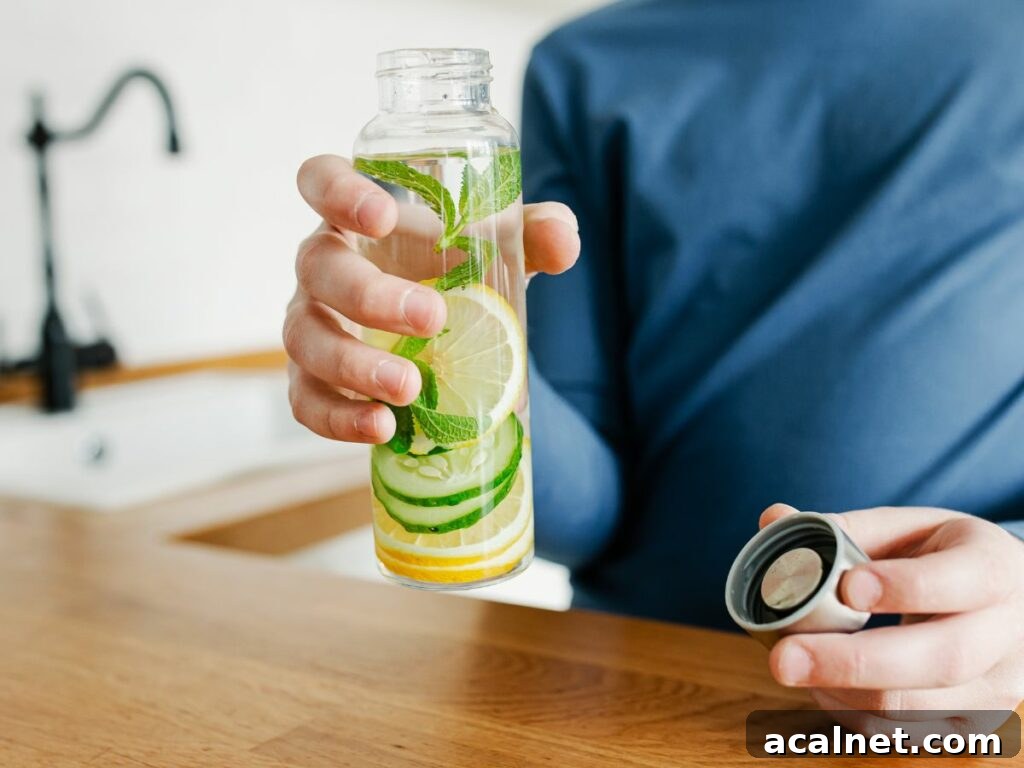
Pros
- Non-reactive material that preserves the pure taste of water and other beverages without leaching.
- Many modern glass bottles are plastic-free and use natural lids or caps.
- Borosilicate glass options are more resistant to thermal shock and scratches than ordinary glass.
- Transparent walls make it easy to see cleanliness and liquid level.
- Often sold with protective silicone sleeves that add grip and some impact protection.
Cons
- Glass is inherently more fragile than metal and can break if dropped, even with protective sleeves.
- Limited insulation — glass does not retain cold or heat as long as insulated stainless steel.
- Heavier than stainless steel, especially when filled, which can make it less convenient for long outings.
Difference between Stainless Steel and Glass Water Bottles
Below are the main differences to consider when choosing between stainless steel and glass:
Cost
Price varies by brand, size and features. Overall, stainless steel and glass bottles occupy similar price ranges. Glass may require additional accessories like a protective sleeve, and heavy daily users who are accident-prone might replace glass more often.
Insulation
Stainless steel has a clear advantage for insulation. Many models use double-wall or vacuum technologies that keep drinks cold or hot for hours. Glass offers minimal temperature retention, and sleeves provide limited insulating benefit.
Durability
Stainless steel is more durable for active lifestyles — it resists breaking and remains usable even if dented. Glass, even when made from borosilicate, remains more fragile and can crack or shatter on impact.
Aesthetics
Both materials come in attractive designs. Glass bottles have a clean, elegant look and often pair with colorful sleeves. Stainless steel models are available in a wide range of finishes and can be personalized with stickers or custom paint.
Weight
Glass bottles are generally heavier than stainless steel, so if weight is a priority for commuting, traveling, or long hikes, stainless steel is usually the better choice.
Eco-friendliness
Both glass and stainless steel are more sustainable than single-use plastic. Many manufacturers use recycled materials in production, and either option reduces plastic waste when used regularly.
Water Taste
High-quality stainless steel and glass both preserve water flavor well. Metallic taste issues typically stem from lower-grade steel or poor manufacturing; picking reputable brands avoids that problem.
Stainless Steel vs. Glass Water Bottle: Which Should You Use?
Both types are good choices and far better than disposable plastic bottles. If you need a robust, lightweight bottle with excellent temperature control for outdoor use, commuting, or family use, stainless steel is the practical pick. If you prioritize a pure taste, a fully plastic-free bottle, and a clean elegant look for low-impact daily use, glass is an excellent option.
Ask yourself:
- Where will you use the bottle most?
- How will you carry it?
- How do you prefer to clean it?
In Conclusion
Choosing the right bottle depends on your lifestyle. Stainless steel wins for durability, insulation and lightweight portability, while glass wins for taste neutrality and a plastic-free experience. Either way, switching from single-use bottles to a reusable option is a smarter choice for both your wallet and the environment.
Use this comparison to choose the bottle that best fits your routine so you stay hydrated with confidence and convenience.