
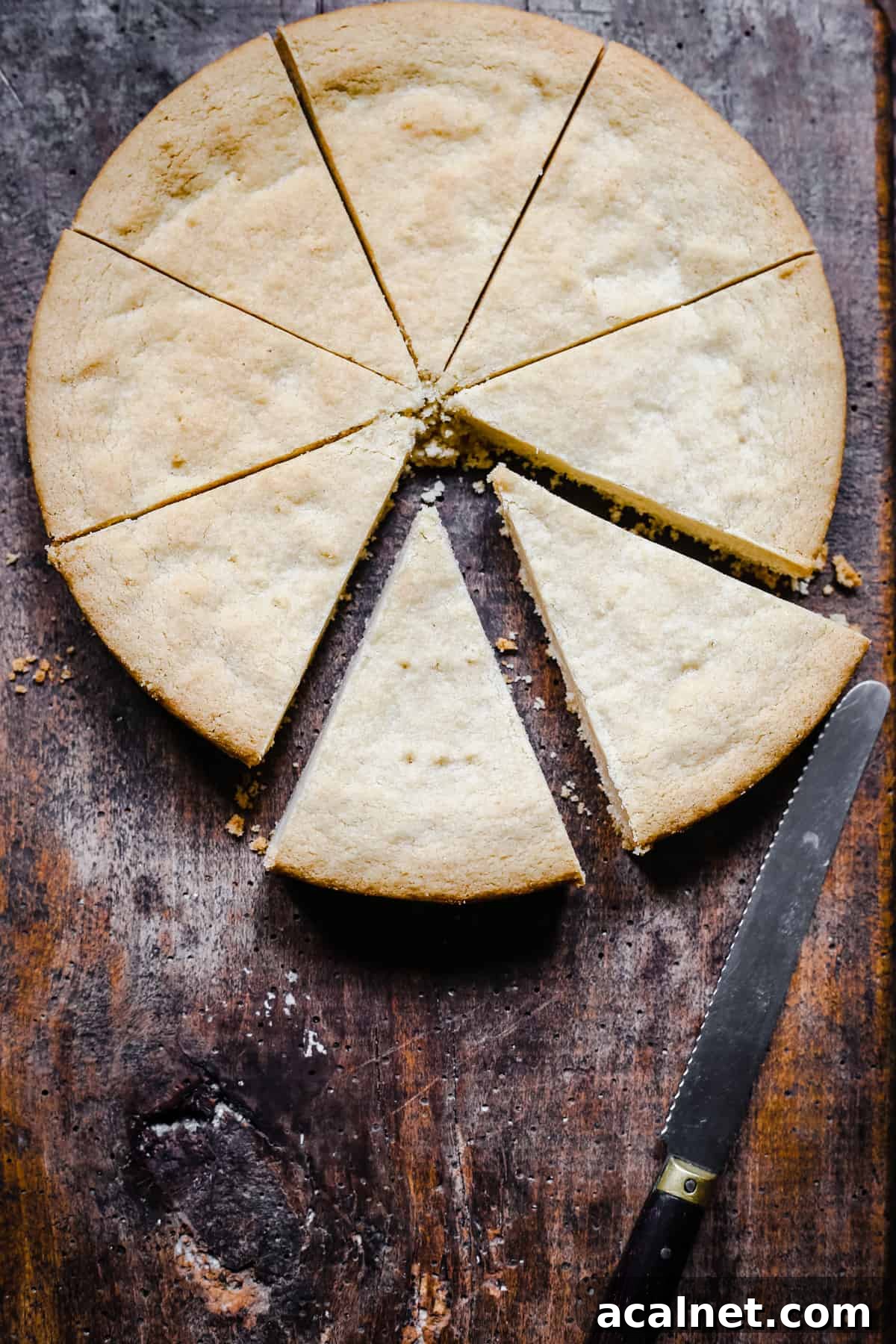
This Gluten-Free Shortbread is a melt-in-the-mouth buttery biscuit with a delicate crunch. A classic Scottish-style shortbread, this version uses oat flour, cornmeal and tapioca flour to achieve a lovely taste and texture without xanthan gum. It’s quick to make and easy to adapt with different flavours.
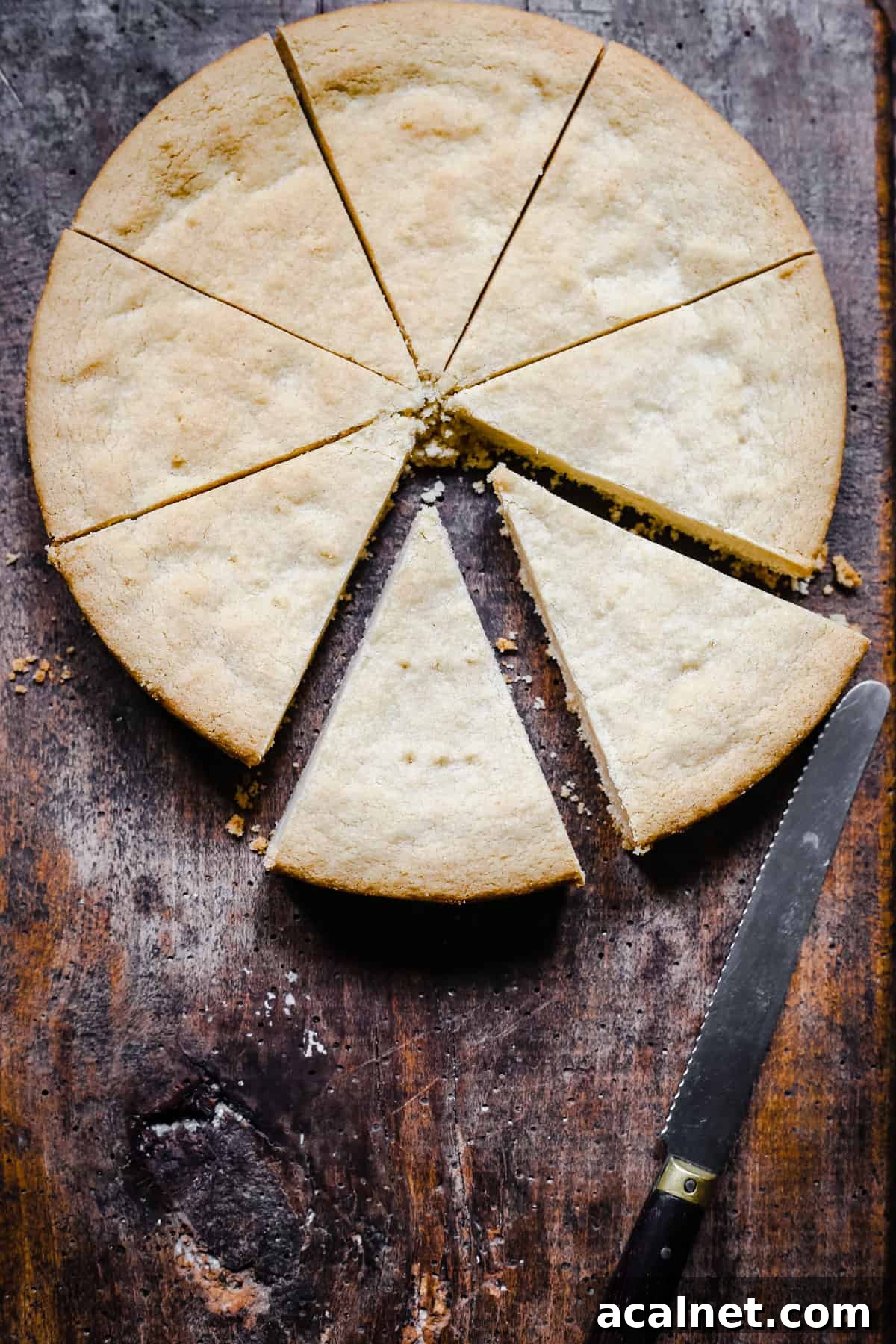
I missed shortbread when I switched to a gluten-free diet, so I experimented until I found the right balance of flours. Simple bakes like shortbread are often the hardest to convert because there are so few ingredients. After many tests I settled on a blend that produces the buttery flavour, slight bite and sandy crumb I wanted.
What is shortbread?
Shortbread is a traditional Scottish confection made with sugar, butter and flour. Recipes date back centuries, with the earliest printed one attributed to the 18th century. Historically it evolved from bread dough enriched with butter.
Good shortbread should have a rich buttery flavour, a slight bite up front and a tender, sandy crumb. Modern recipes may use rice flour for extra crunch or cornflour to soften the texture, but this gluten-free version relies on a specific blend of oat flour, cornmeal and tapioca to recreate the classic balance.
Shortbread has long been prized in Scotland and is often given as a gift at Christmas or served with tea. It’s more than a simple biscuit — it’s a small luxury that showcases quality butter and careful technique.
Why you’ll love this gluten-free shortbread
- A faithful flavour: tastes like classic shortbread with a toasted, buttery note.
- Ideal texture: soft with a touch of crunch and a gentle crumble.
- Simple ingredients: just three gluten-free flours plus four pantry staples.
- Quick to prepare: about 10 minutes active time and 30 minutes in the oven.
- No xanthan gum required — the flour blend provides structure naturally.
Watch to see how to make it
If you prefer a visual guide, watch the video to see the method and final result.
Gluten-free flours needed
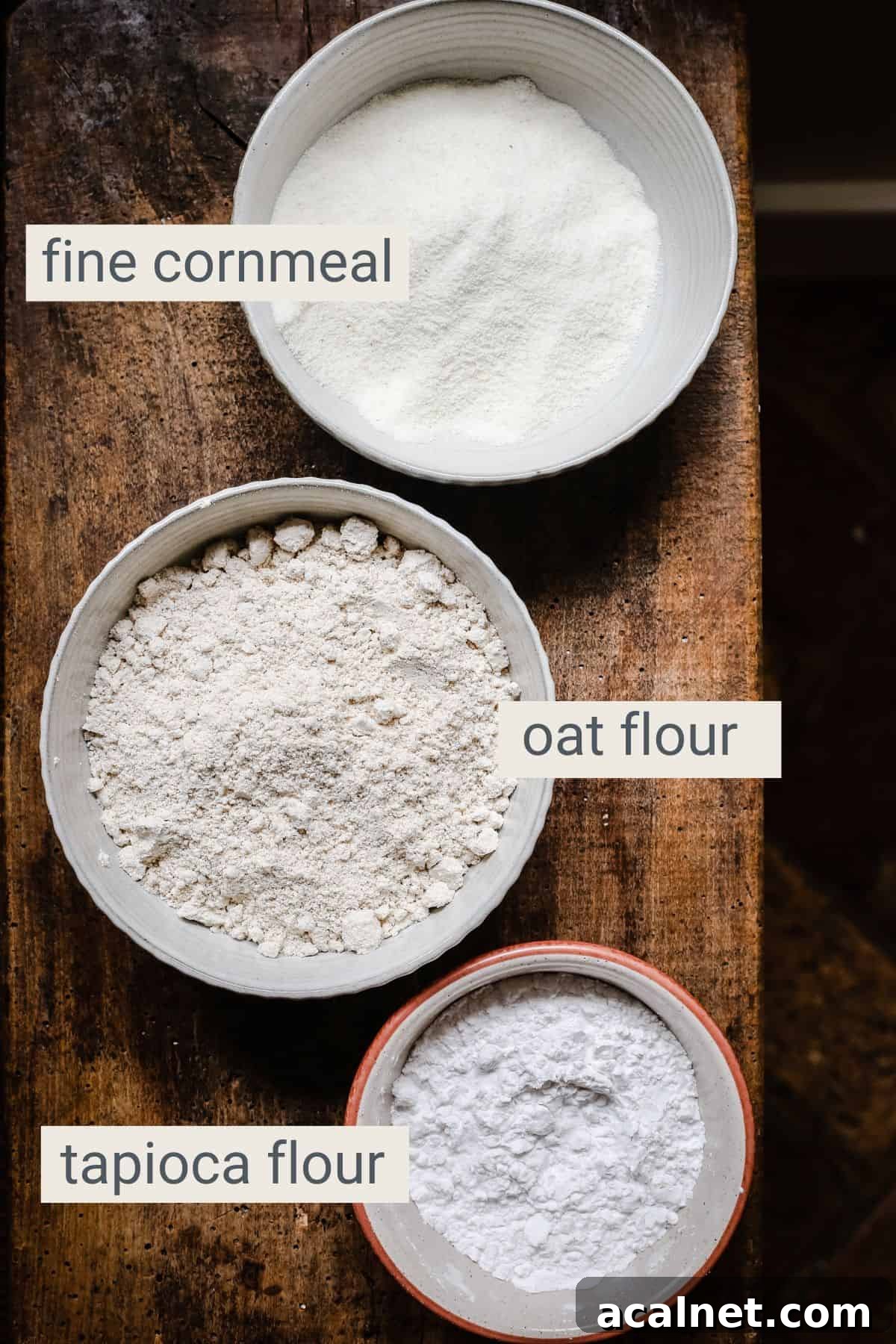
After many trials I settled on a three-flour blend that yields the right taste and texture:
Oat flour — a wholegrain flour that gives a tender crumb and a subtle butterscotch flavour that complements the butter and vanilla. (Sorghum flour is an acceptable substitute.)
Cornmeal — not cornflour/cornstarch. Very fine white cornmeal adds a pleasant crunch without making the dough gummy. Coarser grinds will increase the crunch; polenta is an example of a coarser cornmeal.
Tapioca flour — a starchy flour that provides cohesion so the shortbread holds together without crumbling apart.
Note: I do not recommend substituting a generic gluten-free all-purpose or measure-for-measure flour for this recipe; the balance of these three flours is important for the final texture.
Gluten-Free Flour Cheatsheet
A flour cheatsheet can help you choose flours for other gluten-free bakes by explaining flavour, texture and how each flour behaves in recipes.
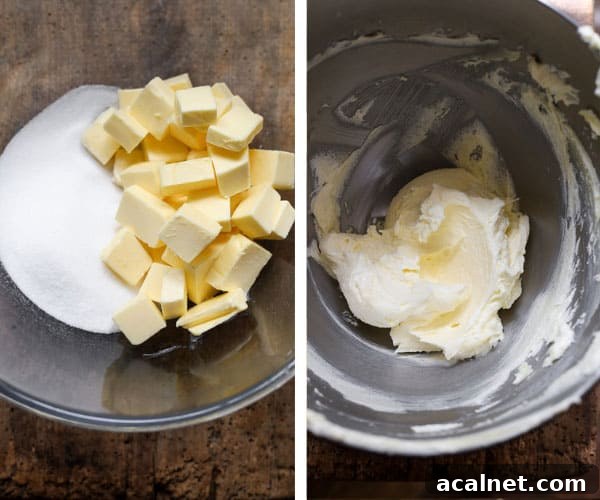
Other ingredients
Unsalted butter: Use unsalted so you can control salt levels. Butter should be at room temperature.
Caster sugar: A fine-grain sugar commonly used in the UK. If you only have granulated sugar, pulse it in a food processor to make it finer.
Vanilla extract: A good-quality vanilla makes a noticeable difference in such a simple recipe.
Salt: A small amount of salt enhances and balances the flavours; kosher salt works well for its mild, rounded taste.
How to make gluten-free shortbread
Shortbread is straightforward and quick: about 10 minutes to mix and 30 minutes to bake. Full instructions are in the recipe card below.
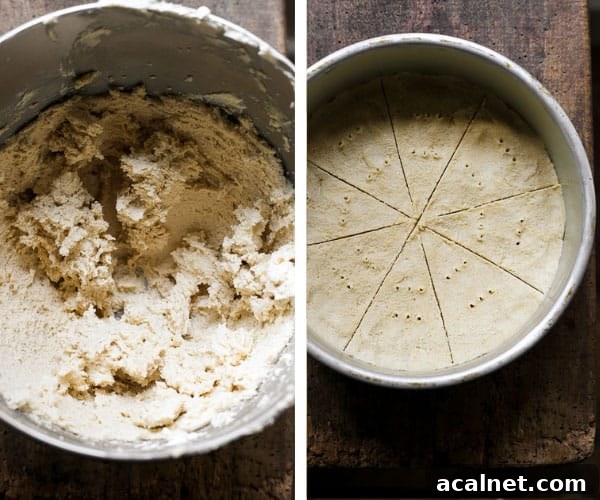
Beat butter and sugar until light and creamy, then add the vanilla. Sift the flours with the salt and mix into the butter mixture. Press the dough into a lined cake tin, score into portions and bake for around 30 minutes. Allow the shortbread to cool fully in the tin (at least an hour) so it firms up before you remove and slice.
Expert tips
- Use the best unsalted butter you can — it’s the primary flavour.
- Use a quality vanilla extract; it will lift the whole bake.
- Gluten-free shortbread typically won’t brown much; look for a pale, slightly golden top.
- If scoring lines fade during baking, re-score gently while the shortbread is still warm but handle carefully as it will be crumbly.
- Leave the shortbread in the tin as long as possible — at least an hour — to firm up before removing to cool completely.
- Only cut when completely cool to avoid excessive crumbling.
Flavour variations
Plain shortbread is delicious on its own, but you can add flavours or toppings for variety.
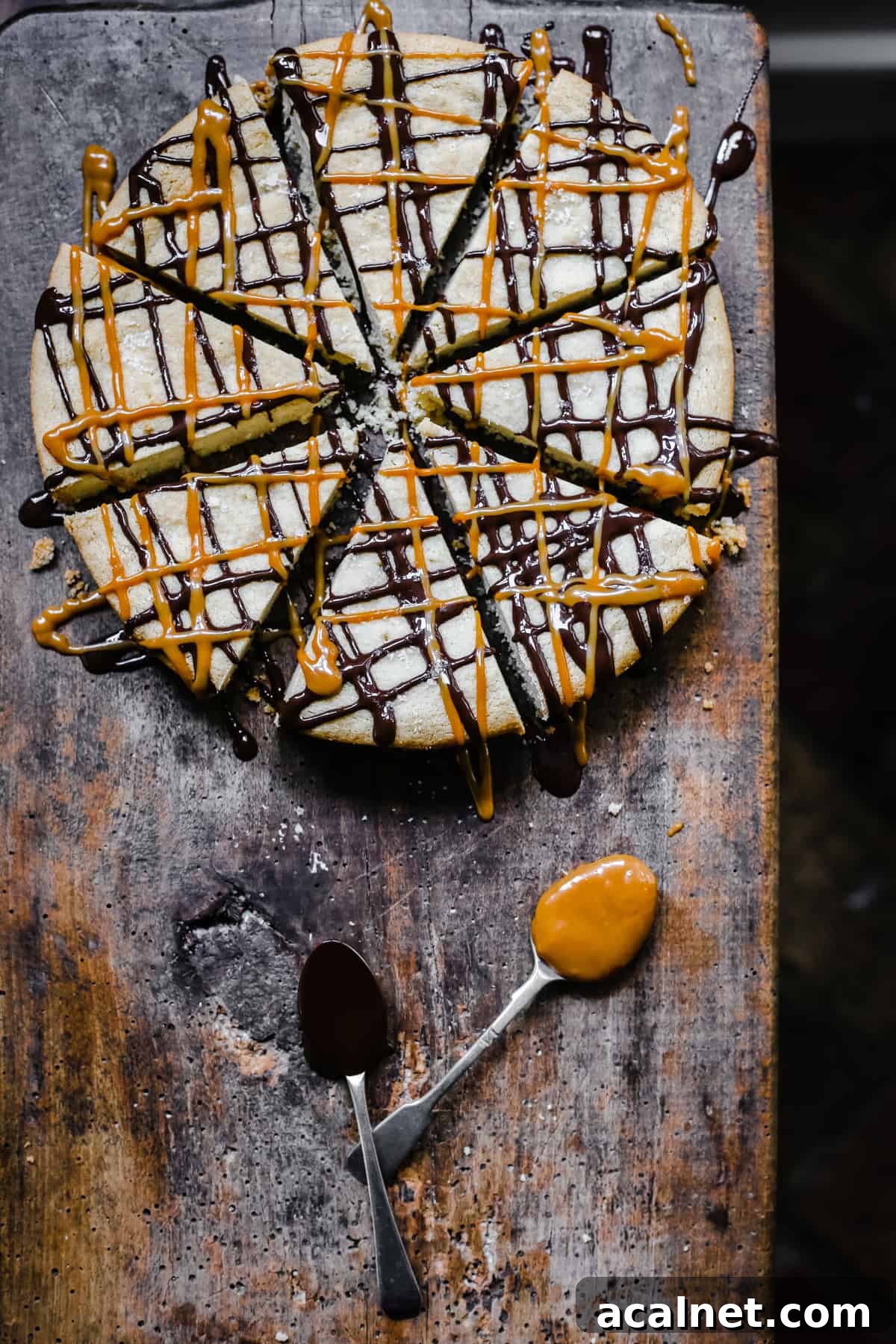
Chocolate Caramel Shortbread
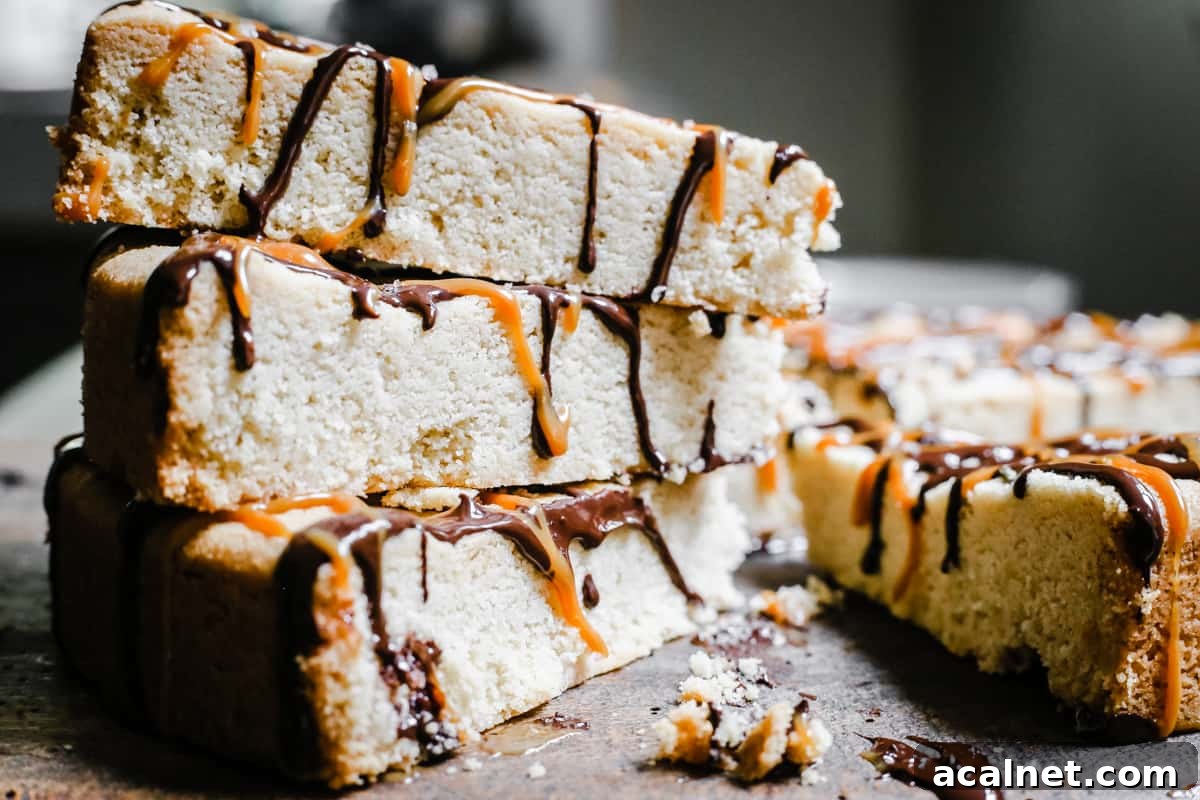
Drizzle cooled shortbread with 2 tablespoons melted chocolate and 2 tablespoons warmed dulce de leche, then scatter a pinch of sea salt on top.
Other ideas
Early shortbread versions used preserved citrus, nuts and spices. Try these additions mixed into the dough before baking:
- Lemon shortbread – add the zest of 1 lemon.
- Lavender shortbread – 2 tablespoons finely chopped fresh lavender flowers.
- Chocolate chips – fold in a handful of chips.
- Strawberry & black pepper – 3 tablespoons freeze-dried strawberry powder and ¼ teaspoon cracked black pepper.
- Ginger shortbread – 2 tablespoons chopped stem ginger and 1 teaspoon ground ginger.
- Iced shortbread – beat 180 g icing sugar with the juice of 1 small lemon and spoon over cooled shortbread.
Serving suggestions
Shortbread pairs well with tea or coffee and can elevate desserts. Try serving with:
- Chocolate mousse
- Affogato
- Lemon posset
- Strawberries and cream
- Crumbled over ice cream
FAQs
This shortbread keeps well at room temperature in an airtight container for up to five days.
Yes. Roll the dough to about 1/4 inch thickness, cut with cookie cutters and bake on a lined sheet. Baking time will be shorter than the tart-style method in the recipe card below.
Other classic gluten-free British recipes
- Gluten-Free Eccles Cakes
- Gluten-Free Fruit Cake
- Rice Flour Madeira Cake
- Vinegar Cake
- Gluten-Free Victoria Sponge
- Gluten-Free Scones
Buttery Gluten-Free Shortbread
This recipe yields melt-in-the-mouth, buttery shortbread with a gentle crunch using oat flour, cornmeal and tapioca flour.
Ingredients
- 225 g unsalted butter, room temperature
- 100 g caster sugar
- 1 teaspoon vanilla extract
- 150 g oat flour
- 125 g very fine white cornmeal
- 50 g tapioca flour
- ½ teaspoon salt
Method
- Preheat the oven to 180°C (160°C fan) / gas mark 4 / 320°F. Line and grease an 8 inch (20 cm) round cake tin.
- Beat the butter and sugar together for 3–4 minutes until light and creamy. Stir in the vanilla extract.
- Sift the oat flour, cornmeal, tapioca flour and salt together, then add to the butter mixture and beat until combined.
- Tip the dough into the prepared tin and press it evenly into the base using your hands.
- Use a sharp knife to score the shortbread into wedges and pierce the surface a few times with a fork to release air.
- Bake for about 30 minutes, until the top is just beginning to turn golden.
- Remove from the oven and allow to rest in the tin for at least an hour so it firms up. Once cooled, transfer to a wire rack and cut into wedges.
Notes
- Oat flour can be substituted with sorghum flour.
- Use the best unsalted butter and vanilla you can source — they determine the flavour.
- If the scored lines fade during baking, re-score carefully while warm.
- Allow the shortbread to cool completely before cutting to minimise crumbling.
- This recipe was tested with metric measurements; weighing ingredients with a digital scale gives the best results.
Nutrition (per serving)
Approximate: 410 kcal; Carbohydrates 42 g; Protein 5 g; Fat 25 g; Saturated fat 15 g; Sodium 153 mg; Fibre 3 g; Sugar 13 g.