
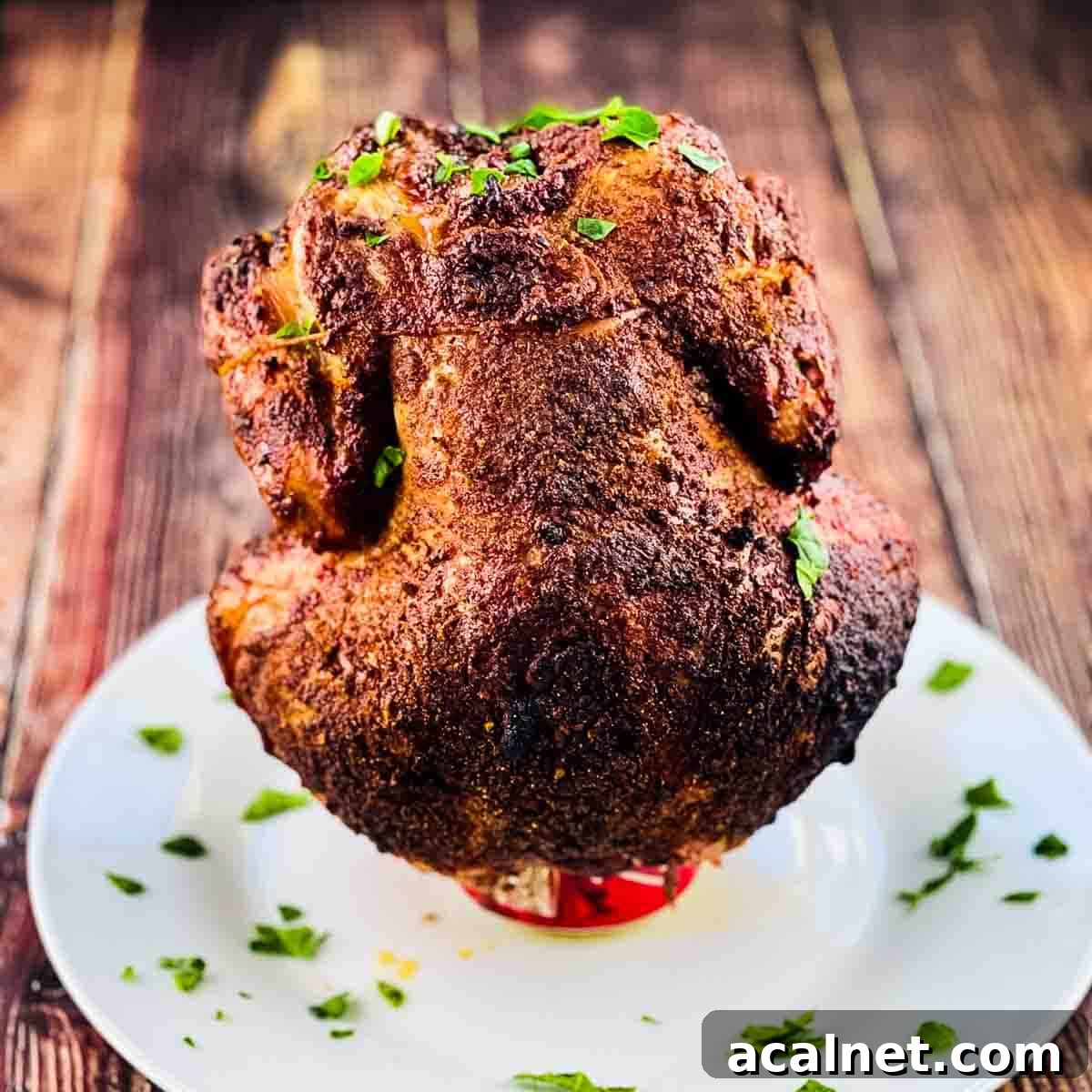
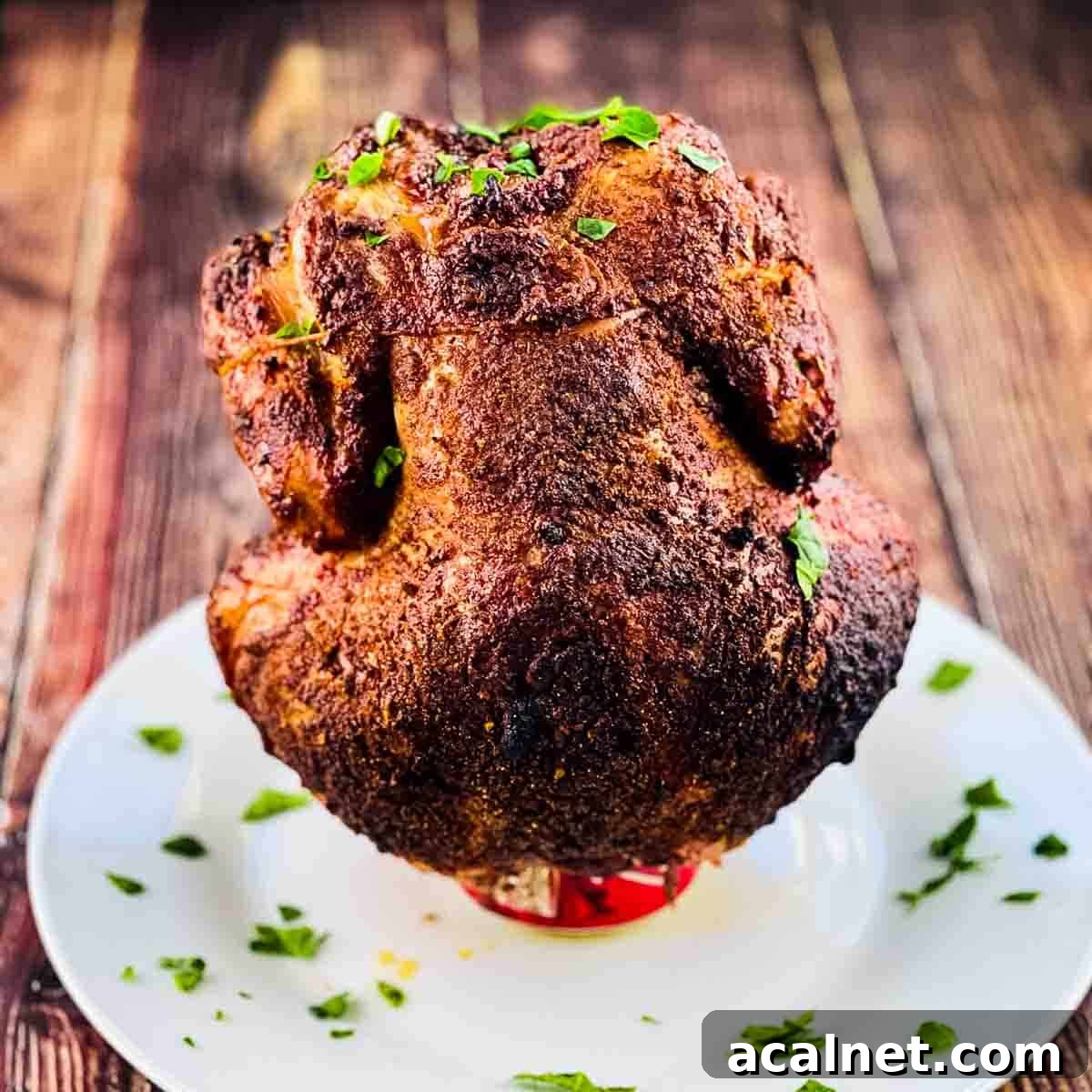
This smoked beer can chicken on a pellet grill brings together the rich smoke from a wood pellet grill and the gentle steam of beer to create juicy meat and crisp skin. It’s an easy, crowd-pleasing method that works well for weeknight dinners, backyard gatherings, or game day.
Affiliate Disclosure: This post contains affiliate links. If you make a purchase through these links, we may earn a commission at no additional cost to you. Thank you for your support!
Why You’ll Love It
- Easy recipe: Minimal prep and simple steps.
- Low maintenance: Once set on the pellet grill, it needs little attention.
- Super flavorful: The beer steams the cavity while smoke flavors the skin and meat.
- Great leftovers: Shred or slice for sandwiches, salads, or soups.
Smoked Beer Can Chicken Ingredients
A complete list of ingredients and amounts is included in the printable recipe card below.
Beer Can Chicken
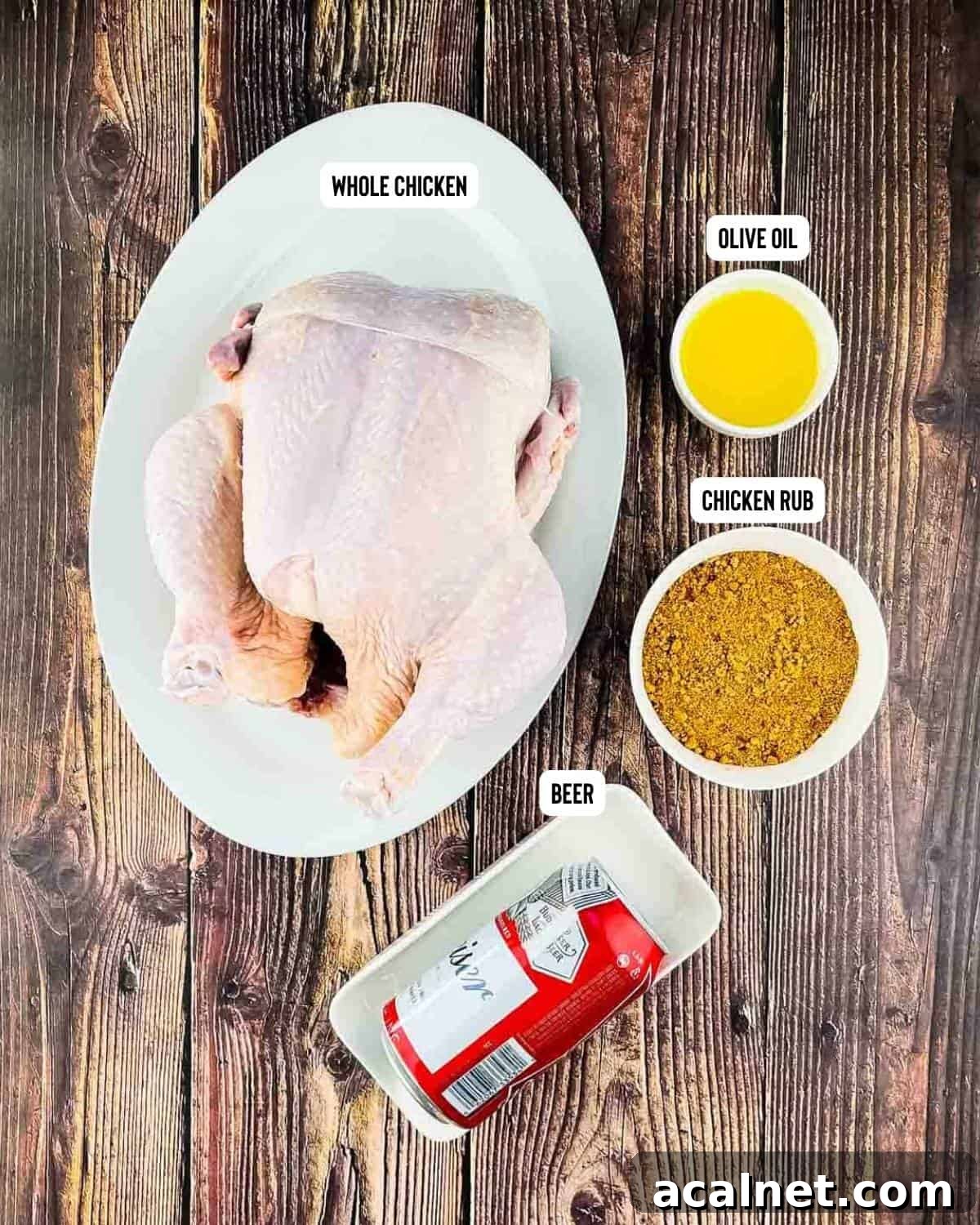
- Beer: any lager or ale you prefer (see variations for non-alcoholic options).
- Whole chicken: 3–5 pounds.
- Olive oil or avocado oil for coating.
Dry Rub for Smoked Chicken
- Brown sugar
- Garlic powder
- Roasted garlic and bell pepper seasoning (or your favorite seasoned salt)
- Paprika (smoked paprika works great)
- Onion powder
- Chili powder
- Seasoning salt
- Black pepper
How to Make Smoked Beer Can Chicken
For exact measurements and the printable recipe, see the recipe card below.
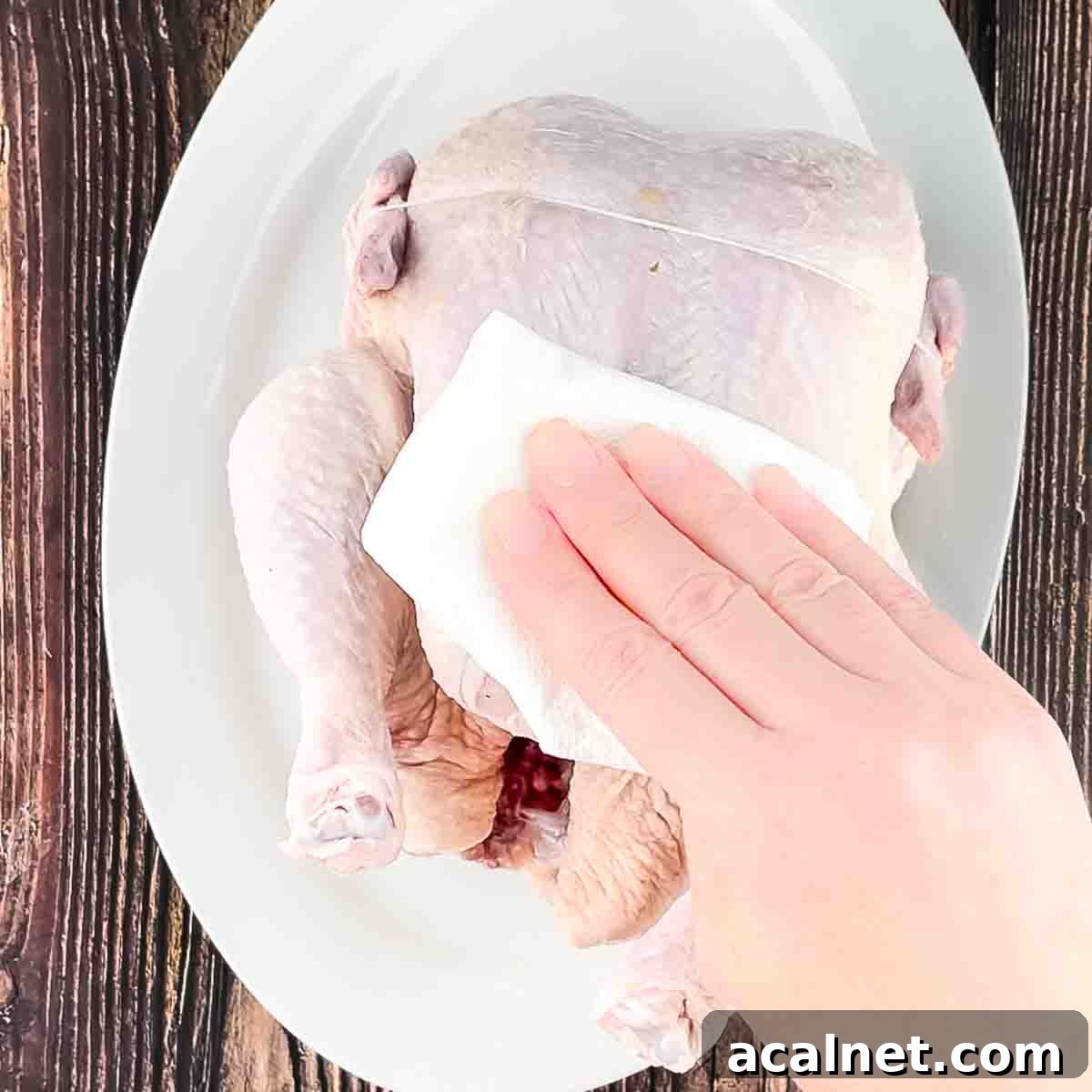
- Prep: Preheat your pellet grill to 250°F. Remove giblets from the cavity, rinse the chicken inside and out with cold water, and pat dry.
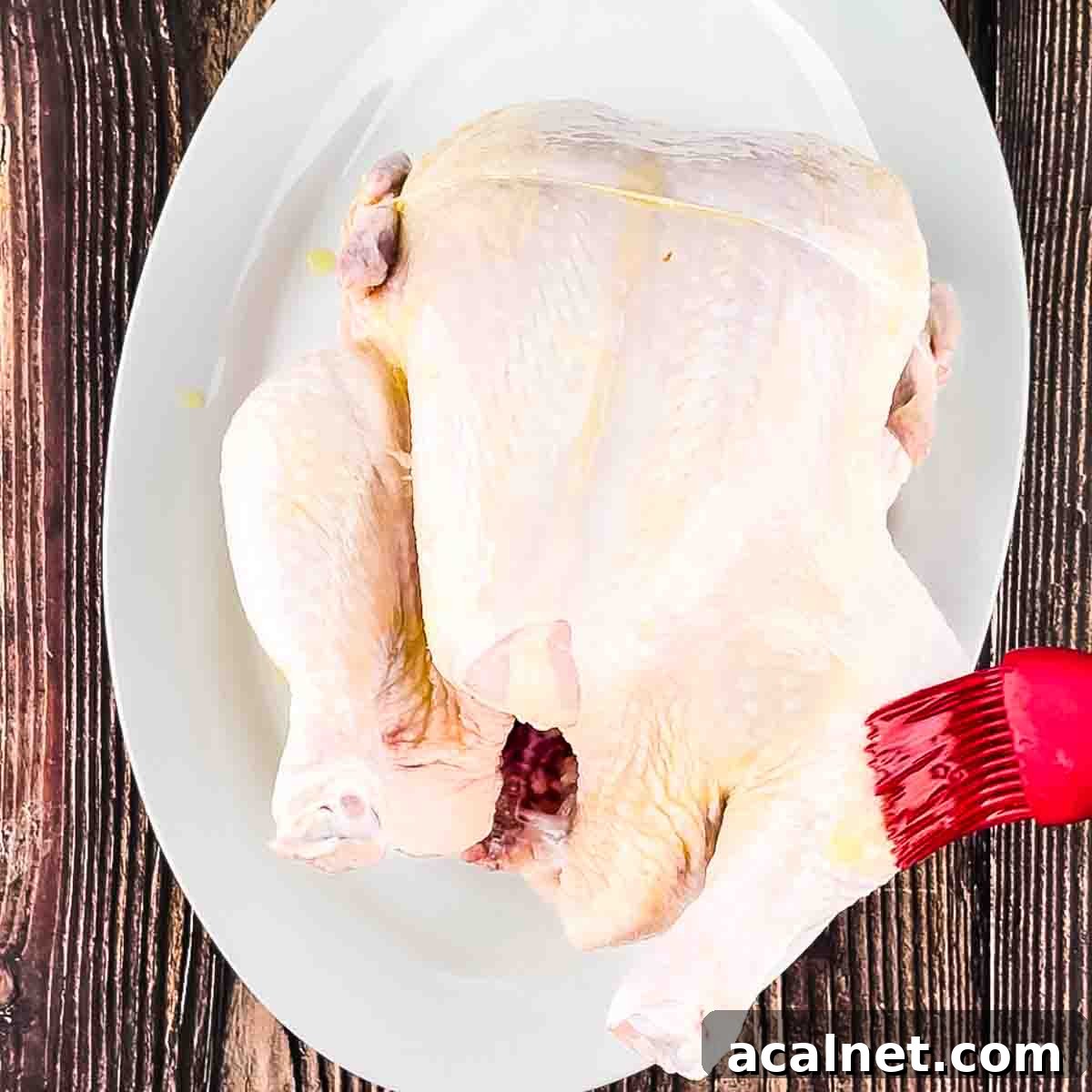
- Oil: Brush the outside of the chicken with olive or avocado oil to help the rub adhere and promote crisping.
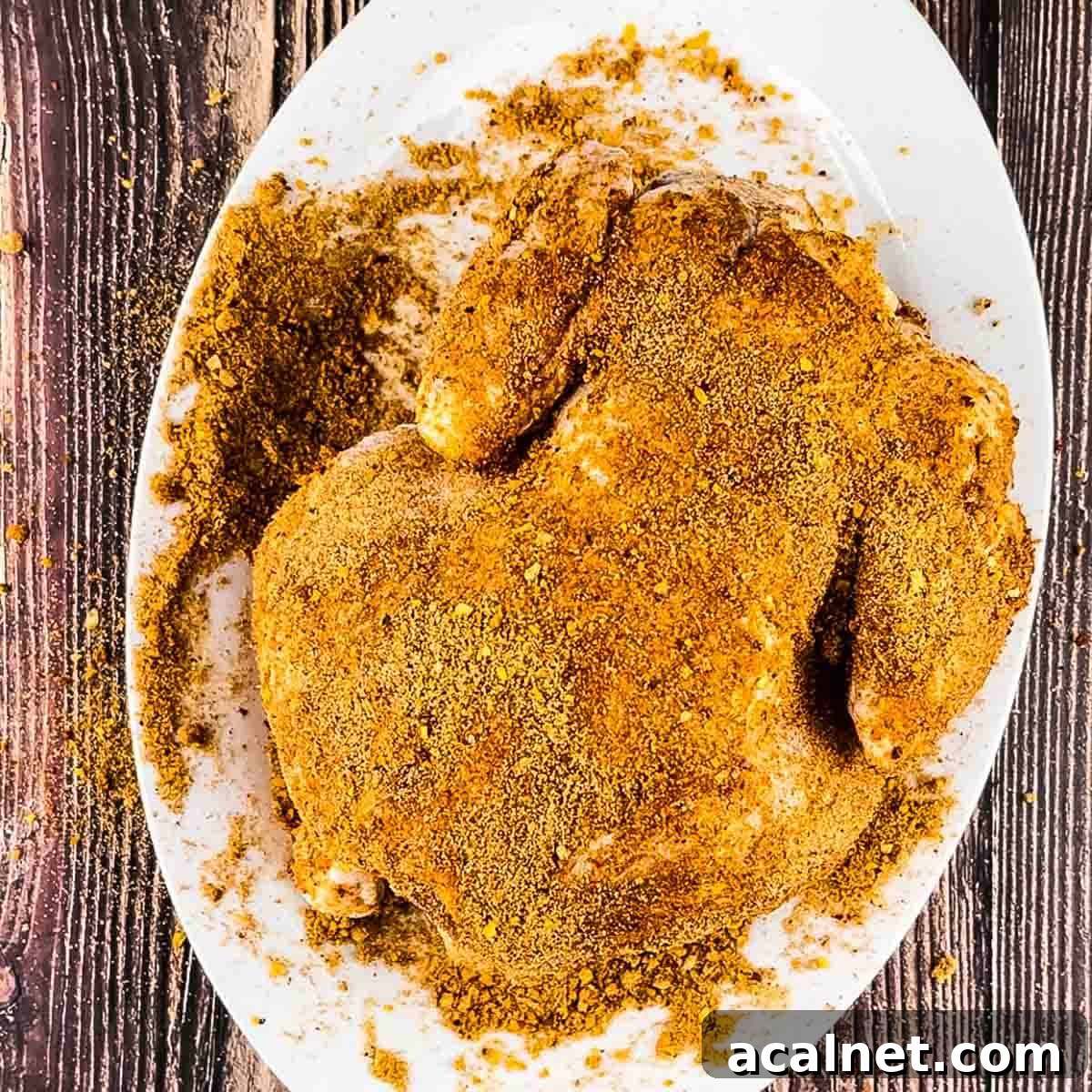
- Season: Combine the dry rub ingredients in a bowl and apply generously over the entire chicken, including under the breast skin and inside the cavity.
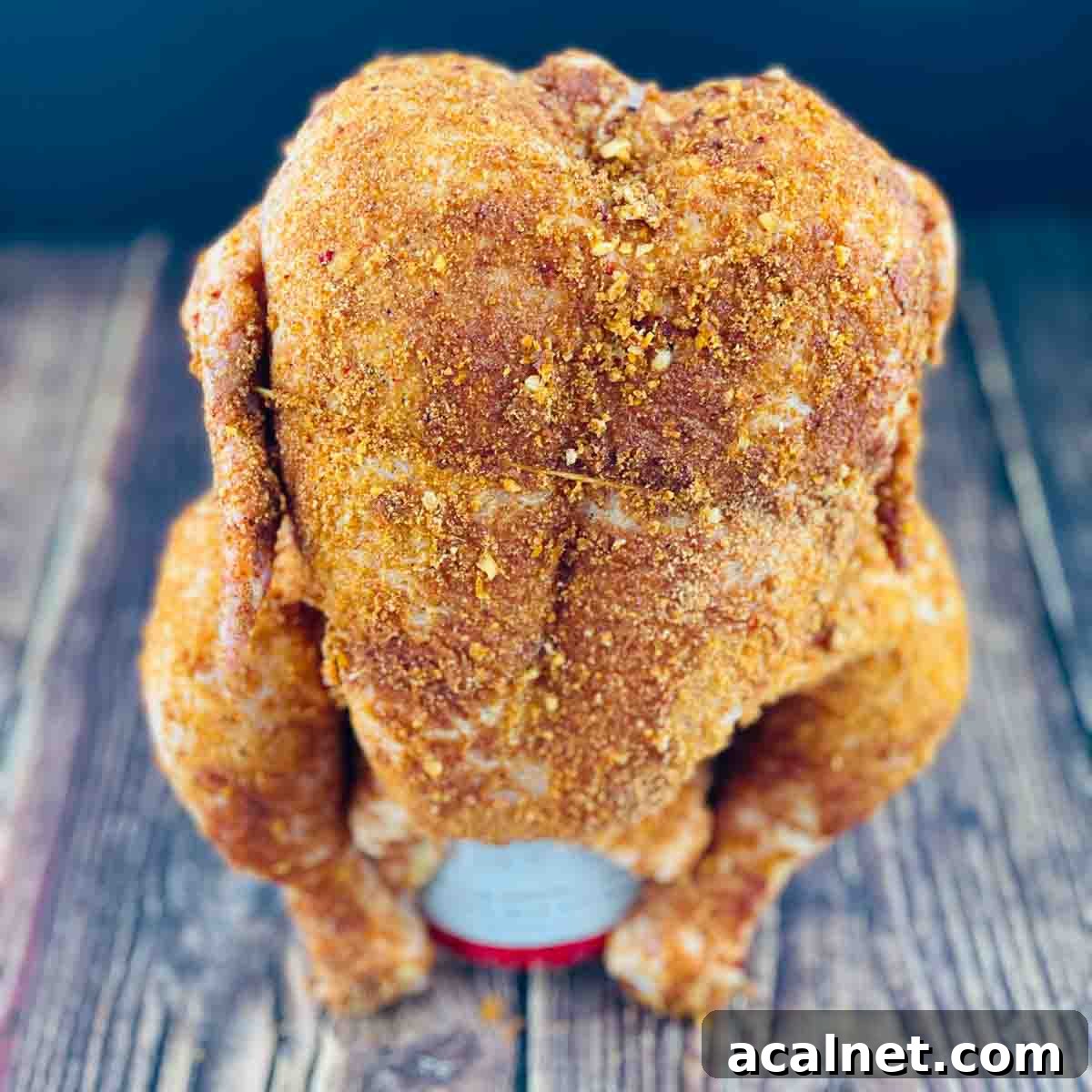
- Position: Open a can of beer and pour away or drink about half. Place the can in a beer can holder or set it on a roasting pan. Lower the chicken onto the can so it stands upright with the can in the cavity.
Pro Tip: Use butcher twine to tie the legs together and tuck wing tips under the shoulder joints so the bird holds its shape while cooking.
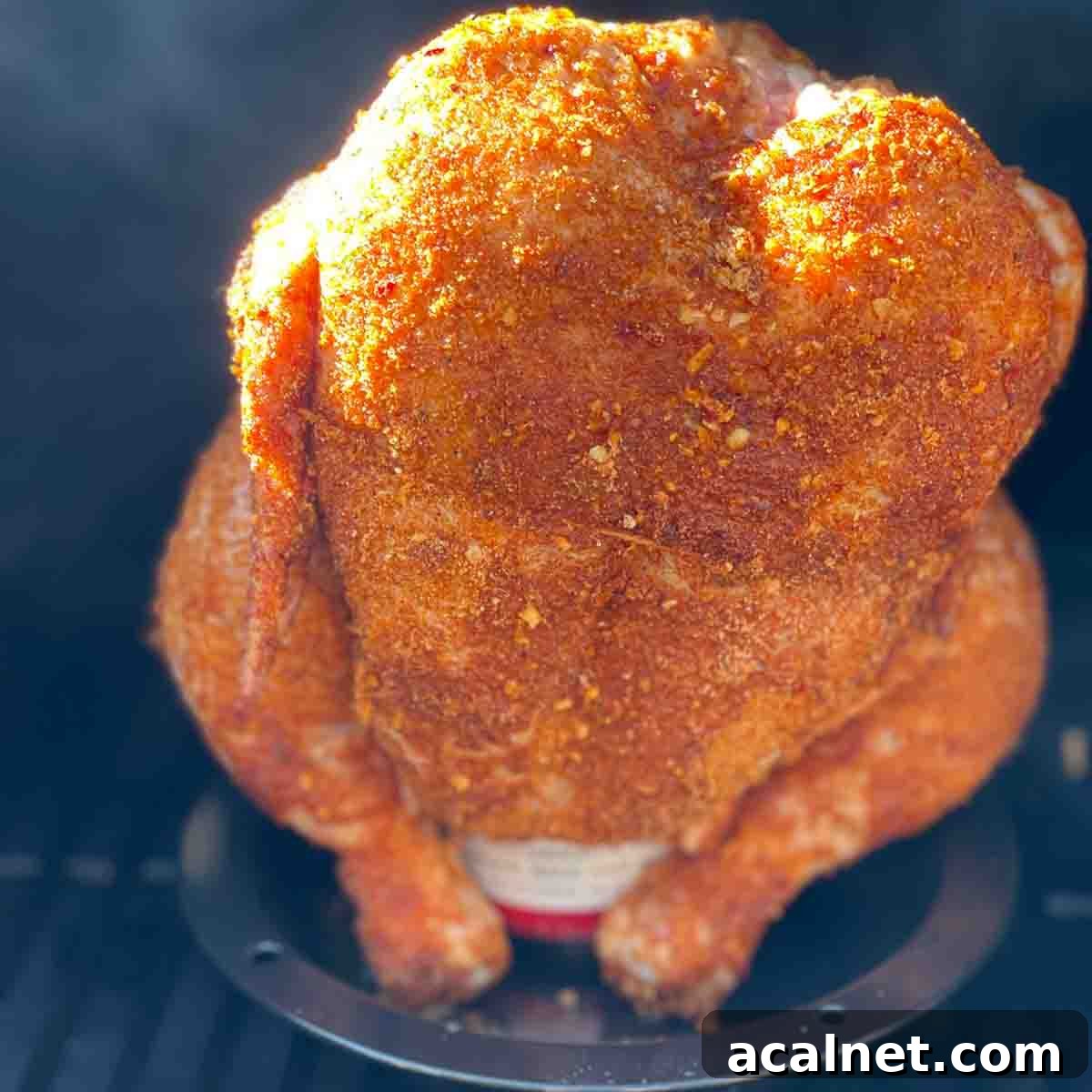
- Smoke: Place the chicken on the grill and insert a meat thermometer into the thickest part of the breast and thigh. Close the lid and smoke for about 3 hours, or until the breast reaches 165°F and the thigh 175°F.
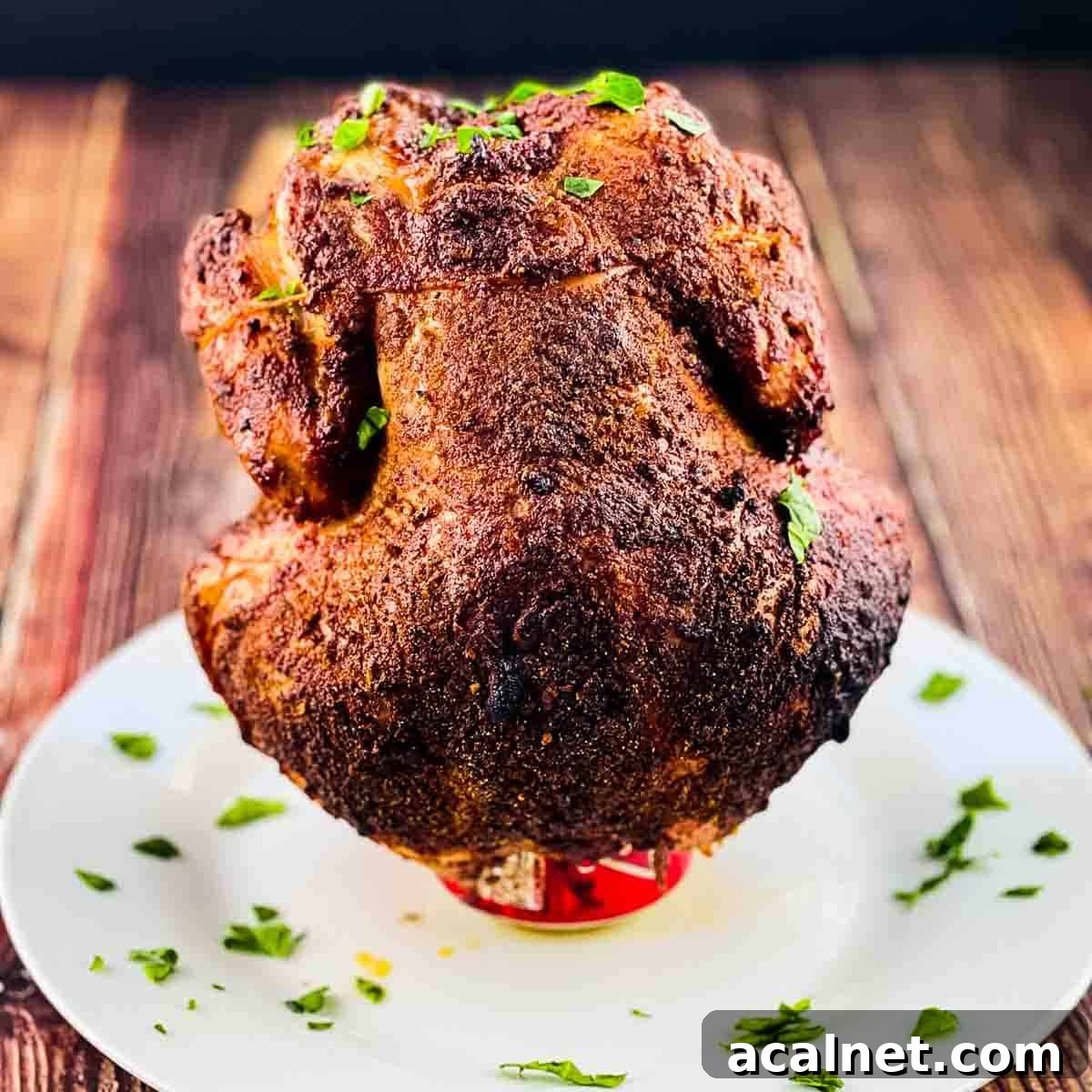
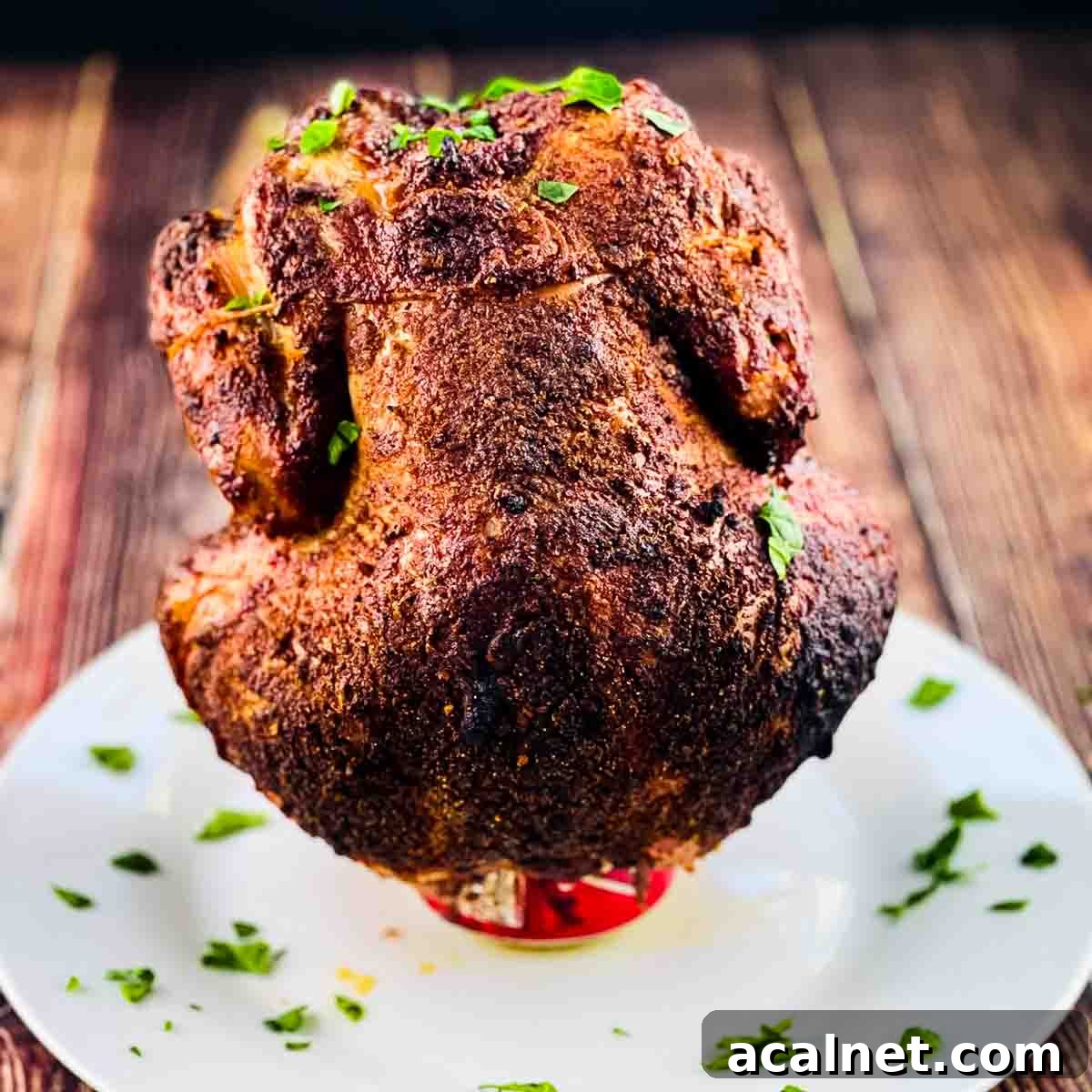
- Rest and Serve: Carefully remove the chicken from the smoker (use two people if needed). Let it rest 5–10 minutes before removing the can and carving.
Pro Tip: If the bird hasn’t reached the target temperature after three hours, raise the grill to 325°F and continue until done.
Top Tips
- Use a beer can chicken holder for better stability.
- Keep the smoker closed as much as possible to maintain consistent temperature and smoke.
- Optionally brush barbecue sauce on during the final 10–15 minutes for a glaze.
- Handle the hot can with heat-resistant gloves or tongs when removing the bird.
Variations
- Make it Spicy: Add cayenne or extra chili powder to the rub.
- Sweeten it Up: Swap beer for root beer or Dr. Pepper for a sweeter profile.
- Alcohol-Free: Use chicken broth or apple juice in place of beer.
- Herb-Infused: Add fresh rosemary or thyme to the can to add herbal notes during cooking.
Serving Suggestions
Serve this smoked beer can chicken with classic barbecue sides such as baked beans, cheesy potatoes, smoked corn, coleslaw, macaroni salad, or roasted potatoes. Leftovers work well in sandwiches, tacos, or chicken noodle soup.
Smoked Beer Can Chicken FAQs
Hickory, mesquite, apple, cherry, and pecan are all excellent choices. Try different pellets to find your preferred smoke profile.
Brining is optional. This method produces moist results without a brine, but you can brine if you prefer extra seasoning and tenderness.
Use long-handled tongs or a spatula to lift the bird off the grill onto a cutting board. Remove the can with tongs or heat-resistant gloves after resting.
Keep leftovers in an airtight container in the refrigerator for 3–4 days or freeze for up to 3 months.
Not really. The beer mainly steams inside the cavity to keep the meat moist, so you don’t need an expensive beer — choose what you enjoy or use a non-alcoholic substitute.

More Smoked Chicken Recipes To Try
- Pellet Grill Slow Smoked Whole Chicken
- Smoked Pineapple Stand Chicken
- Smoked Spatchcock Chicken on a Pellet Grill
- Smoked Chili Lime Chicken Breasts
- Smoked Boneless Chicken Breast on Pellet Grill
- Smoked Boneless Skinless Chicken Thighs on Pellet Grill
- Traeger Smoked Bone-In Chicken Thighs
- Smoked Chicken Legs
Printable Recipe
Smoked Beer Can Chicken on Pellet Grill
Equipment
- Pellet grill
- Meat thermometer
- Wood pellets
Ingredients
- 3–5 pound whole chicken
- 2 tablespoons olive oil
- 3 tablespoons dry chicken rub (see homemade rub below)
- 6 ounces beer (or substitute as desired)
Homemade Dry Chicken Rub
- ¼ cup brown sugar
- 2 tablespoons garlic powder
- 2 tablespoons roasted garlic and bell pepper seasoning (or substitute)
- 2 teaspoons paprika
- 2 teaspoons onion powder
- 2 teaspoons chili powder
- 1 teaspoon seasoning salt
- ½ teaspoon black pepper
Instructions
- Prep: Preheat the pellet grill to 250°F. Remove giblets, rinse the chicken inside and out, and pat dry.
- Oil: Brush the chicken with oil.
- Season: Mix the dry rub and apply generously over the chicken, under the breast skin, and in the cavity.
- Position: Open the beer and discard or drink half. Place the can in a holder or on a pan and set the chicken upright on the can. Put a pan underneath to catch drippings.
- Smoke: Insert a meat thermometer into the thickest part of the breast and thigh. Smoke about 3 hours, or until breast reaches 165°F and thigh 175°F. If needed, raise heat to 325°F and continue until done.
- Rest and Serve: Remove the chicken carefully, let rest 5–10 minutes, then remove the can and carve.
Notes
- Use a holder: A beer can chicken holder improves stability.
- Keep smoker closed: Limit opening to maintain temperature and smoke.
- Finish with sauce: Brush on barbecue sauce near the end if desired.
- Safety: Use heat-resistant gloves when handling the hot can.
Nutrition
The provided nutrition information is automatically calculated. Accuracy is not guaranteed.