
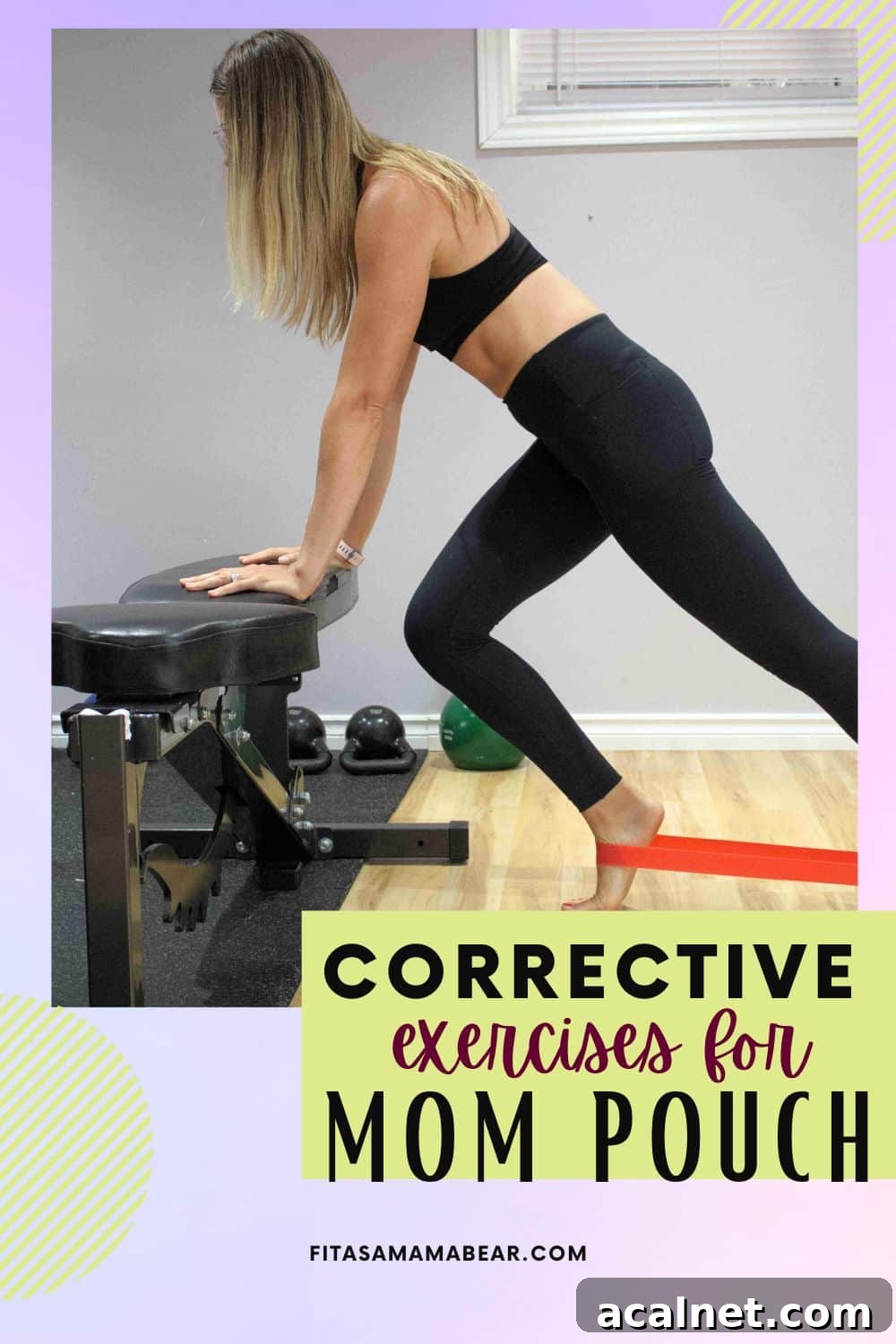
These corrective exercises for diastasis recti at home prioritize rebuilding your deep core muscles rather than just “working your abs.” The main aim is to restore tension across the midline, improve stability, and help your core function properly so daily movement and activities feel safer and more comfortable.
Many people assume fixing diastasis recti means doing more traditional ab moves. In reality, it’s not about piling on crunches. Healing a separation requires learning how to engage the deep core, managing intra-abdominal pressure, and moving with control. Simple, targeted drills like controlled breathing, heel slides, and glute bridges teach coordination and stability—key elements for improving the gap and restoring function.
Before you begin, it helps to understand how your breathing, pelvic position, and core activation work together. Establish foundational skills first so you don’t inadvertently increase pressure and make symptoms worse. If you want a structured plan, consider following a progressive program that focuses on these fundamentals and builds gradually.
What is Diastasis Recti?
Diastasis recti refers to a widening of the linea alba, the connective tissue between the two sides of the rectus abdominis. This stretching most commonly occurs during pregnancy as the abdomen expands, but it can also appear for other reasons that increase belly pressure.
Typical signs include difficulty engaging the core, lower back discomfort, a persistent lower belly bulge sometimes called a “mom pouch,” urinary leakage, and postural changes. It’s important to recognize that a visible pouch can have multiple causes beyond diastasis recti, and addressing function is as important as appearance.
This process isn’t about “fixing” your body to meet an ideal—it’s about relearning efficient core mechanics and improving how your trunk handles pressure and movement over time. Many people experience meaningful improvements even years after childbirth when they train consistently and correctly.
If you’re unsure where you stand, learn how to self-assess the midline and then prioritize breathing and gentle engagement before advancing to stronger exercises. Starting with the right cues helps you progress safely and effectively.
What Makes An Exercise “Corrective” For Diastasis Recti?
Corrective work is defined by how you breathe and control your core during movement, not by the specific exercise alone. The most effective drills teach coordinated activation of the diaphragm, pelvic floor, and deep abdominal muscles while managing pressure through the torso.
A common and useful skill is the 360-degree breath: rather than pulling your belly in, the ribs and sides expand slightly on the inhale and the breath reaches into the back. On the exhale, think about a gentle “zipping up” from the pubic bone toward the ribs. This pattern helps the deep core engage naturally and reduces excessive outward pressure on the midline.
Try this simple breathing practice before exercising:
- Lie on your back with support under your head and hands resting on your lower ribs.
- Inhale slowly, feeling the ribcage widen and the breath move into the back.
- On the exhale, gently draw the lower abdomen toward the spine, imagining a zip from the pubic bone up to the ribs.
Practice 10–15 controlled breaths daily. Once that pattern becomes familiar and you can maintain it during movement, your corrective exercises will be far more effective. If any exercise causes visible doming, intense strain, or uncomfortable pressure, stop and regress to simpler engagement drills. Restoration of function comes first; strength follows.
The Best Corrective Exercises For Diastasis Recti At Home
The following exercises emphasize deep core engagement across different positions and movement patterns. Practice each drill slowly until you can perform it with steady breathing and no bulging at the midline. Once you’ve mastered them individually, you can combine them into a short circuit for an effective at-home session.
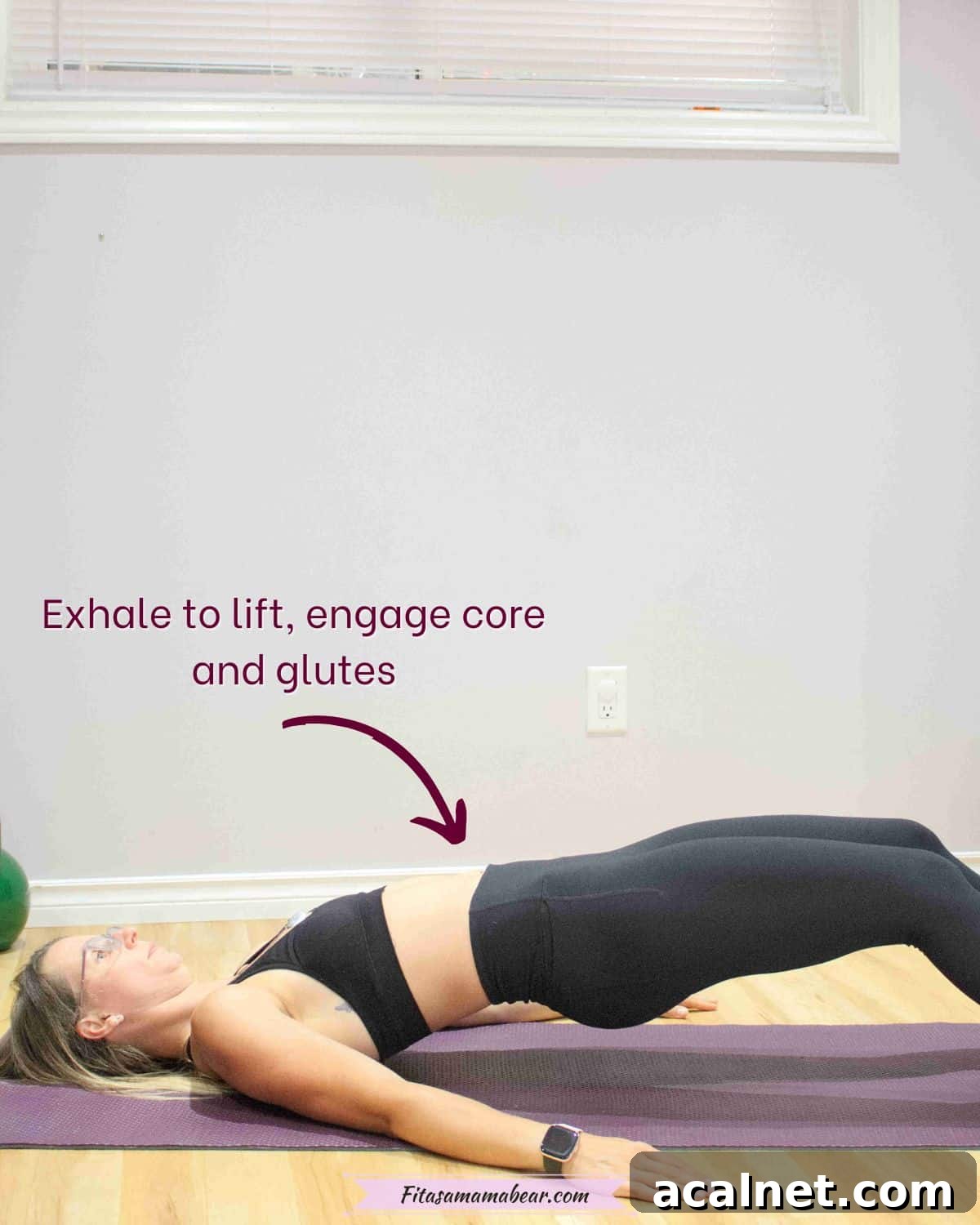
1. Long Lever Glute Bridge
- Lie on your back with knees bent and feet flat.
- Walk your feet away from your hips until your knees bend wider than 90 degrees.
- Posteriorly tilt the pelvis, press through the heels, and lift the hips off the floor while maintaining a gentle core draw-in and steady breathing.
- Pause at the top, then slowly lower with control and release the glute engagement.
Reps: 10–15 controlled repetitions, focusing on coordination rather than speed.
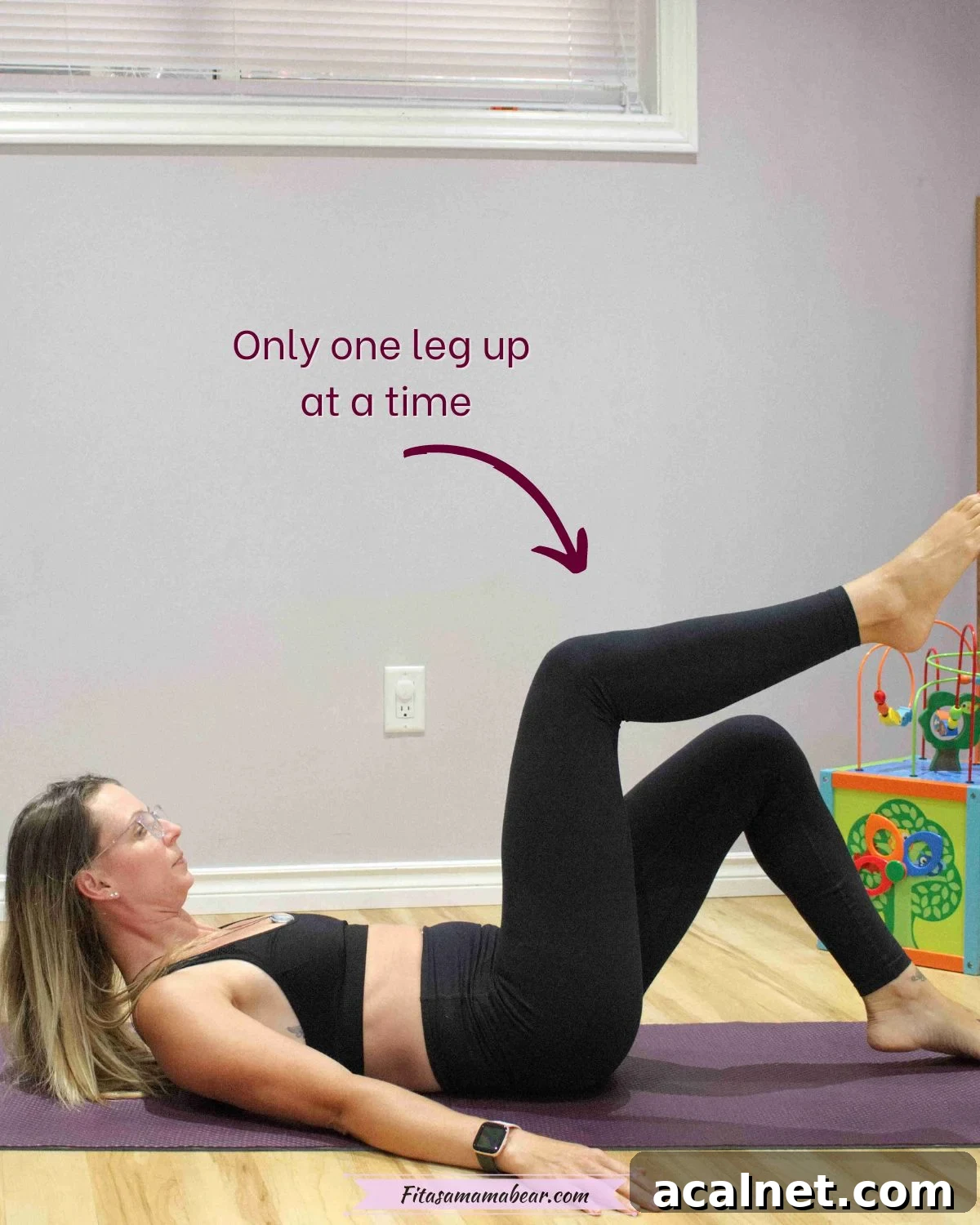
2. Supine Marches
- Lie on your back with knees bent and heels close to your sit bones.
- Gently engage the lower abs so the lower back presses lightly into the floor; you can lift the upper back slightly to help find the connection.
- Slowly lift one foot a few inches off the ground using the lower abdominal control, then return it.
- Alternate legs in a slow marching rhythm, keeping breathing steady and avoiding any midline bulging.
Reps: Continue for 30 seconds or 8–12 marches per side, focusing on smooth, controlled movement.
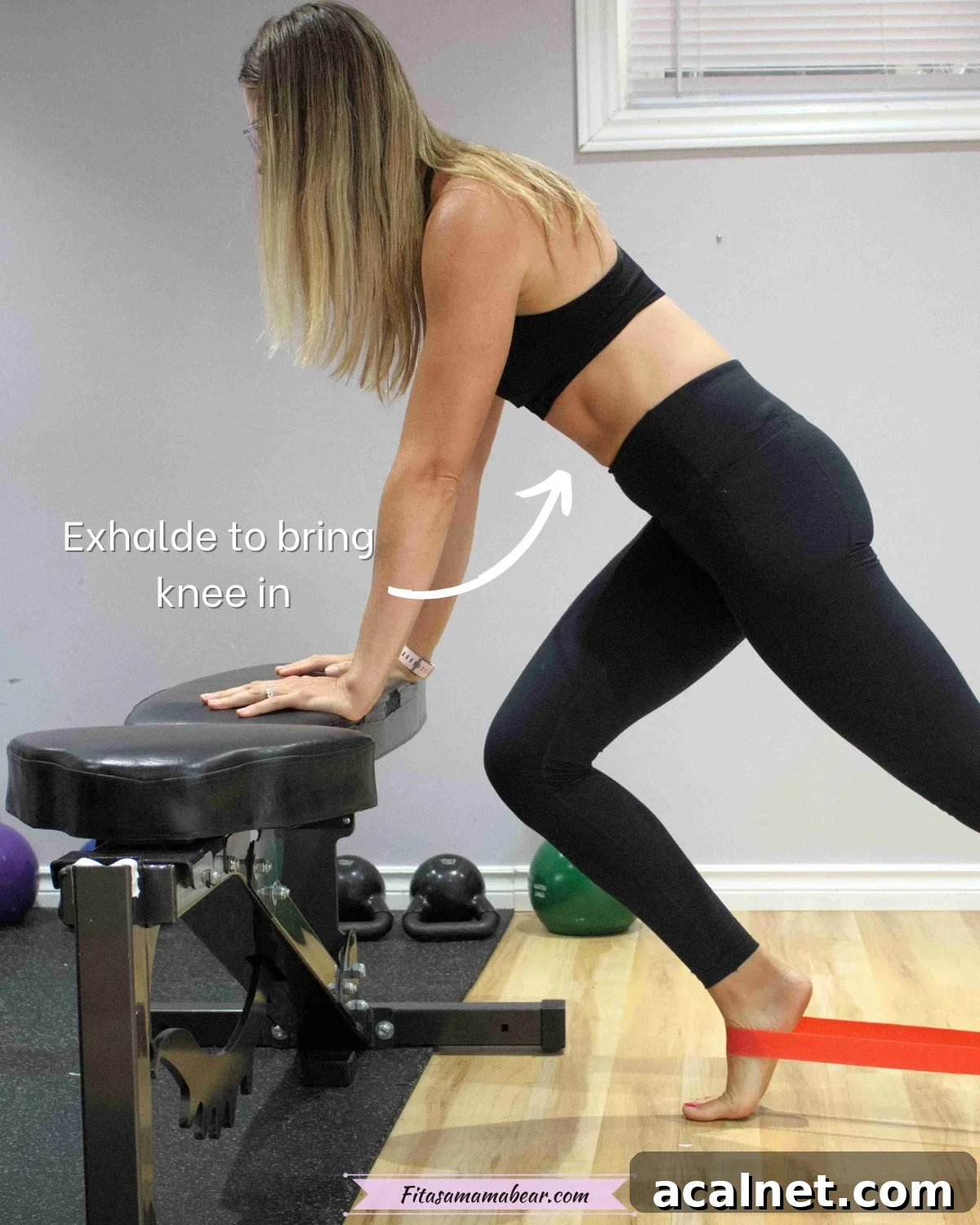
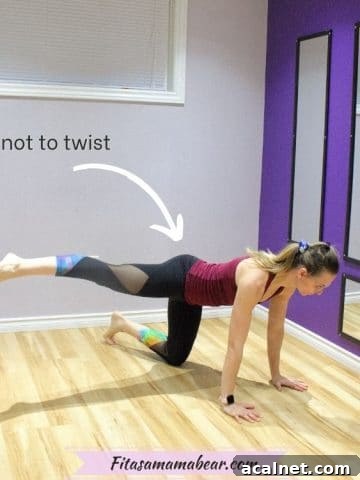
3. Elevated Mountain Climbers
This variation is easier to control if you use a raised surface and a light resistance loop, but it also works with bodyweight alone.
- Place hands on a bench, couch, or sturdy table and step into a plank position with core engaged.
- If using a mini loop, position it around your feet. Tuck the pelvis under slightly as you bring one knee toward the bench against the band’s resistance.
- Return the foot to the start and repeat on the other side, moving deliberately and maintaining steady breathing.
Reps: 30 seconds of alternating, slow, controlled repetitions.
4. In & Outs
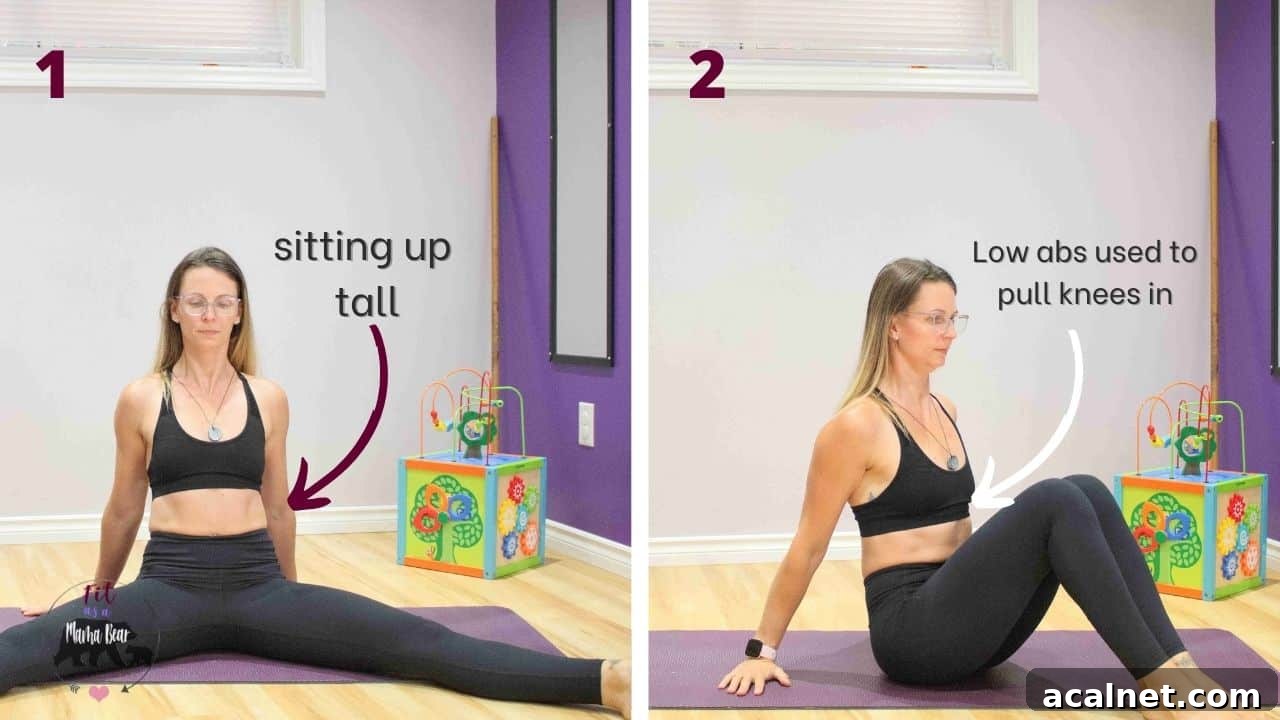
You can do this on hardwood or tile; sliding socks help if the floor is smooth.
- Sit on your sit bones with hands behind you for support. Keep the chest lifted but avoid flaring the ribs.
- Extend the legs straight in front of you while maintaining a soft core draw-in.
- Slowly open the legs wide, then close them and draw the knees toward the chest so the feet come toward your bum.
- Extend the legs back out and repeat the cycle with control and steady breath.
Reps: 30 seconds of controlled movement, emphasizing abdominal engagement over speed.
Engagement Matters
It’s common to go through the motions without truly engaging the deep core. To make progress, prioritize quality over quantity: learn the cues, move slowly, and let each repetition reinforce proper alignment and breath control.
Foundational drills like pelvic tilts and deadbug variations are particularly useful for building that connection. Focus on feeling the lower abdominal muscles work and keep the breath even. Over time, these habits will transfer into daily activities and more advanced exercises.
How To Know If You’re Doing The Exercises Correctly
Your corrective exercises are effective when your core feels controlled rather than strained. Watch the midline during movement: there should be no doming or pronounced bulging. You should feel the deep core engage steadily, not only the superficial abs.
Breathing should remain calm and controlled throughout each rep. Movement should feel intentional and stable, not rushed. If you notice pressure or bulging, regress to simpler breathing and engagement drills until you can maintain control consistently.
Ready To Actually Fix Your Core?
If your core feels different since pregnancy or you’re frustrated that things never fully returned to how they were, you aren’t alone—and you aren’t stuck. Healing diastasis recti is possible at any stage postpartum with the right approach: consistent, progressive training that emphasizes breathing, core engagement, and gradual loading.
A targeted at-home plan that requires minimal equipment and short daily commitments can make this process realistic and sustainable. The focus should always be on restoring function first and then building strength.
More Postpartum Healing Tips
After you’ve mastered core engagement and breathing, progress into structured core strengthening exercises. Adding glute training supports carrying, lifting, and everyday movement and complements core recovery. Aim for balanced programming that improves strength, mobility, and posture.
Small, consistent efforts—such as brief daily breathing practice and three to four focused sessions per week of targeted core and glute work—tend to produce the best long-term results.
 Busy Mom Workout Schedule
-
Postpartum Ab Exercises To Avoid (and what to do instead)
-
7 Strength Training Tips For Beginners At Home
-
12 Glute Activation Exercises PDF

Corrective Exercises For Diastasis Recti At Home FAQs
Targeted, strategic exercise that emphasizes alignment, deep muscle activation, and coordinated breathing is a key component in repairing abdominal separation. When performed correctly and consistently, these exercises can lead to significant improvements in the abdominal wall’s function and appearance.
Many corrective exercises are low-impact and can be performed frequently. Foundational breathing and engagement drills can be done daily for a few minutes. As you progress, aim for more structured sessions three to four times per week while continuing daily practice of core breathing.
Improvement can often be noticed within a few weeks of consistent training, but full recovery varies widely depending on the severity of the separation and adherence to a corrective plan. For many people, meaningful change occurs over a period of months rather than days.
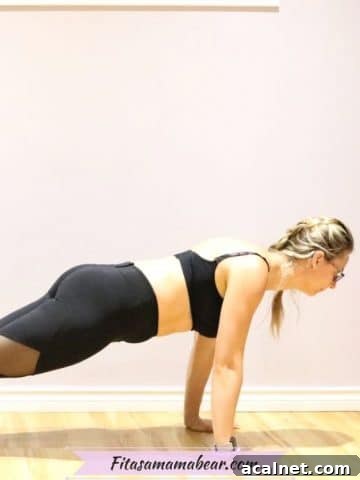
Planks can be appropriate once you’ve rebuilt sufficient core control. If you notice doming, bulging, or increased pressure through the midline during a plank, regress to foundational exercises and progress gradually toward more challenging holds as control improves.