
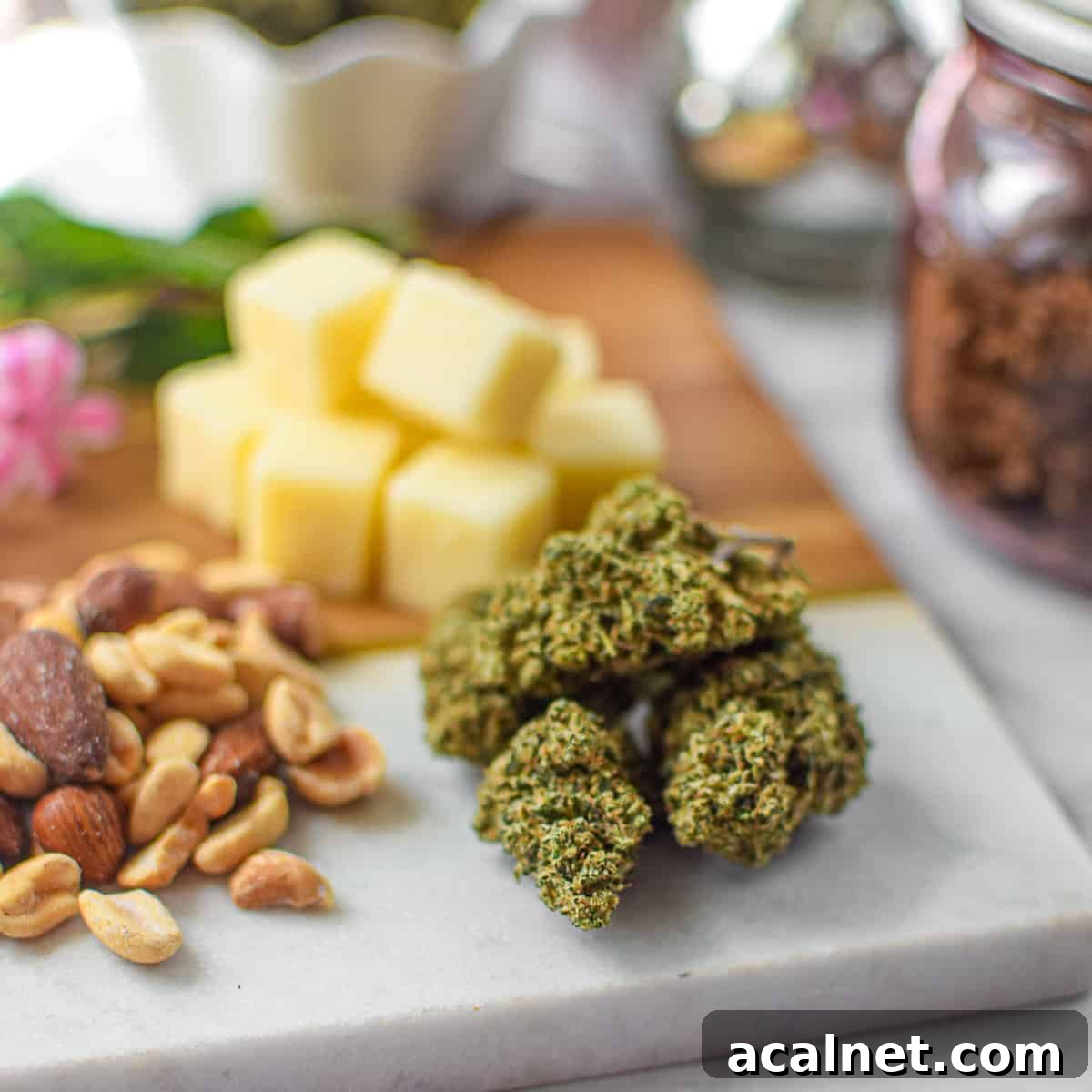
Did you know pairing edibles with fat can significantly change how they affect you? Fat plays an essential role in how your body processes cannabinoids in edibles. Read on to learn how fat improves infusions, boosts absorption, and increases bioavailability so you can get the most consistent results from every edible.
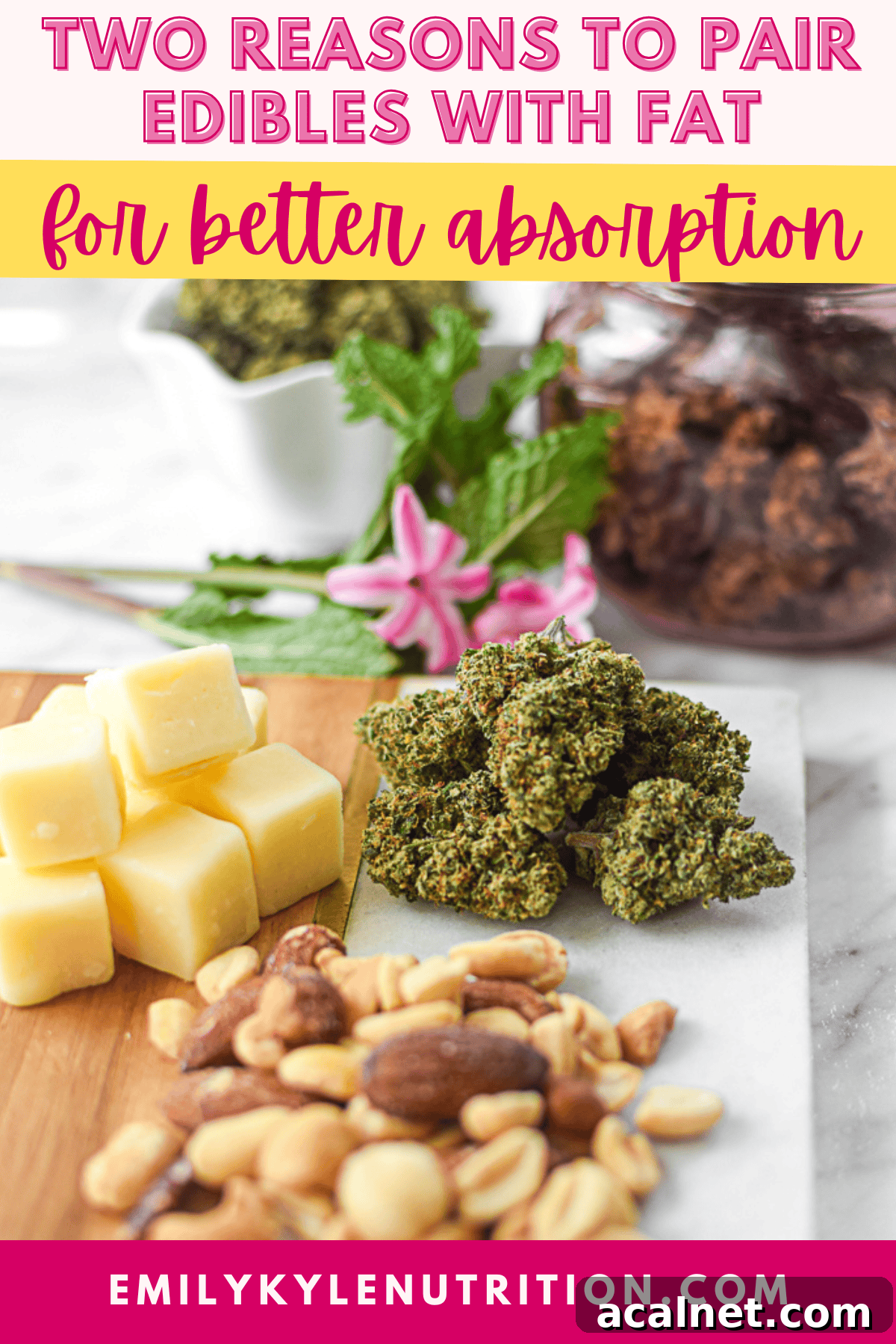
Article Features
- Why fat is the preferred medium for making potent cannabis infusions
- How eating edibles with fat can increase cannabinoid bioavailability
- Want to skip the hard work? Shop premium, high-quality cannabis products delivered to your door! Now shipping across the US.
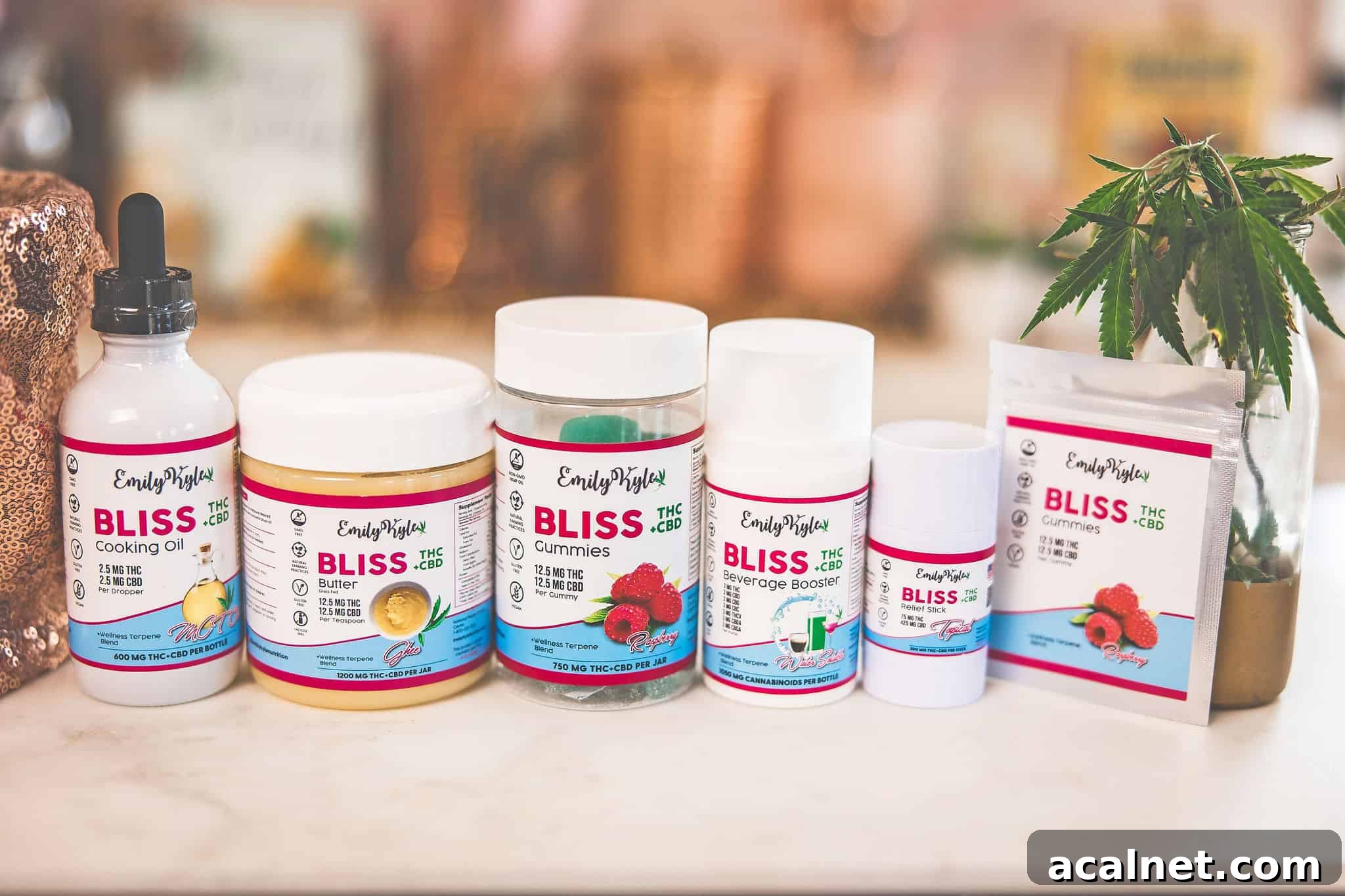
Why You Will Love This Guide
A member of my Well With Cannabis Community recently asked whether edibles need to be made or consumed with fats. The short answer is yes: there are good scientific and practical reasons for it.
When making homemade infusions, cannabinoids such as THC and CBD are lipophilic — they dissolve far more readily into fats like butter and oil than into water.
And when you eat a prepared edible, having a fat source in the same meal helps your body absorb more of those cannabinoids into the bloodstream.
These are two strong reasons to pair cannabis with fat, and in this guide we’ll explore both to help you get better results from your edibles.
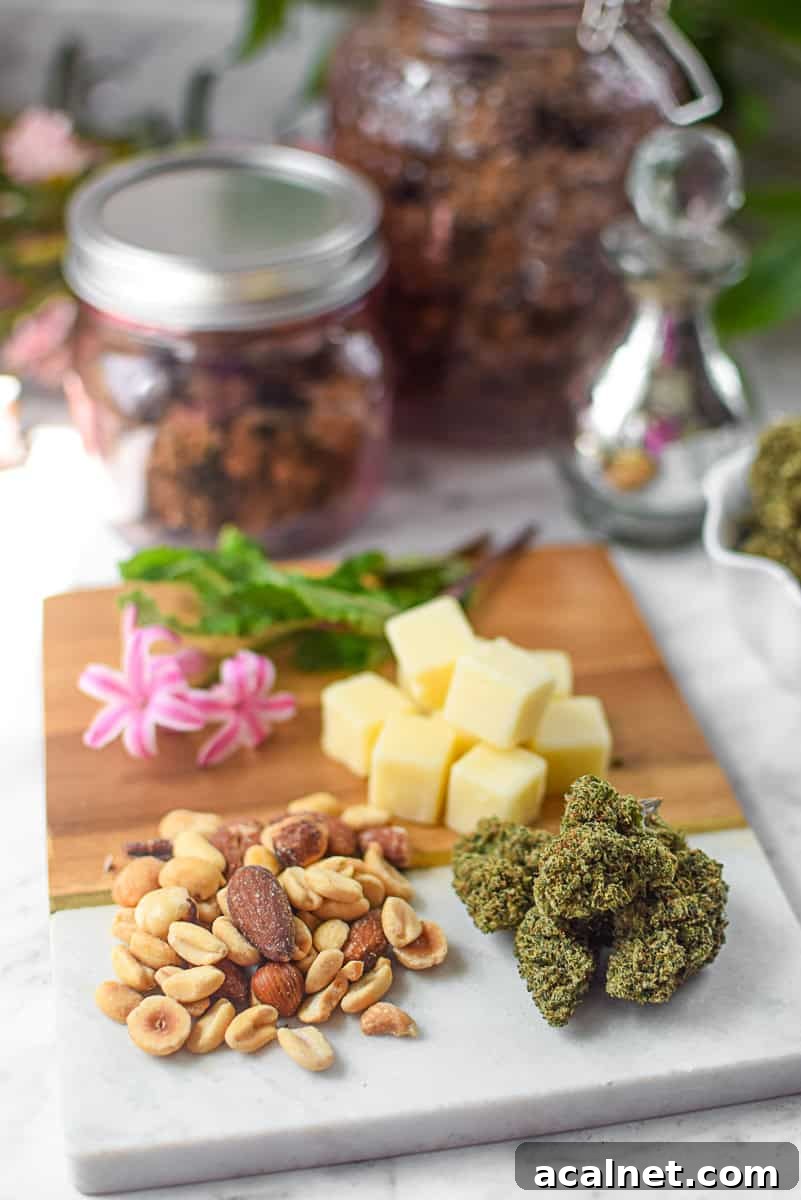
#1 – Fat Makes Potent Infusions
There’s a reason cannabutter remains a go-to for homemade edibles. Oils such as coconut, olive, and MCT work exceptionally well because cannabinoids are fat-soluble.
During infusion, the goal is to move trichomes—the resinous glands that hold cannabinoids—off the plant material and into the fat while minimizing unwanted plant compounds like chlorophyll.
Because cannabinoids prefer lipid environments, using a higher-fat medium typically results in a more efficient extraction and a more potent infusion.
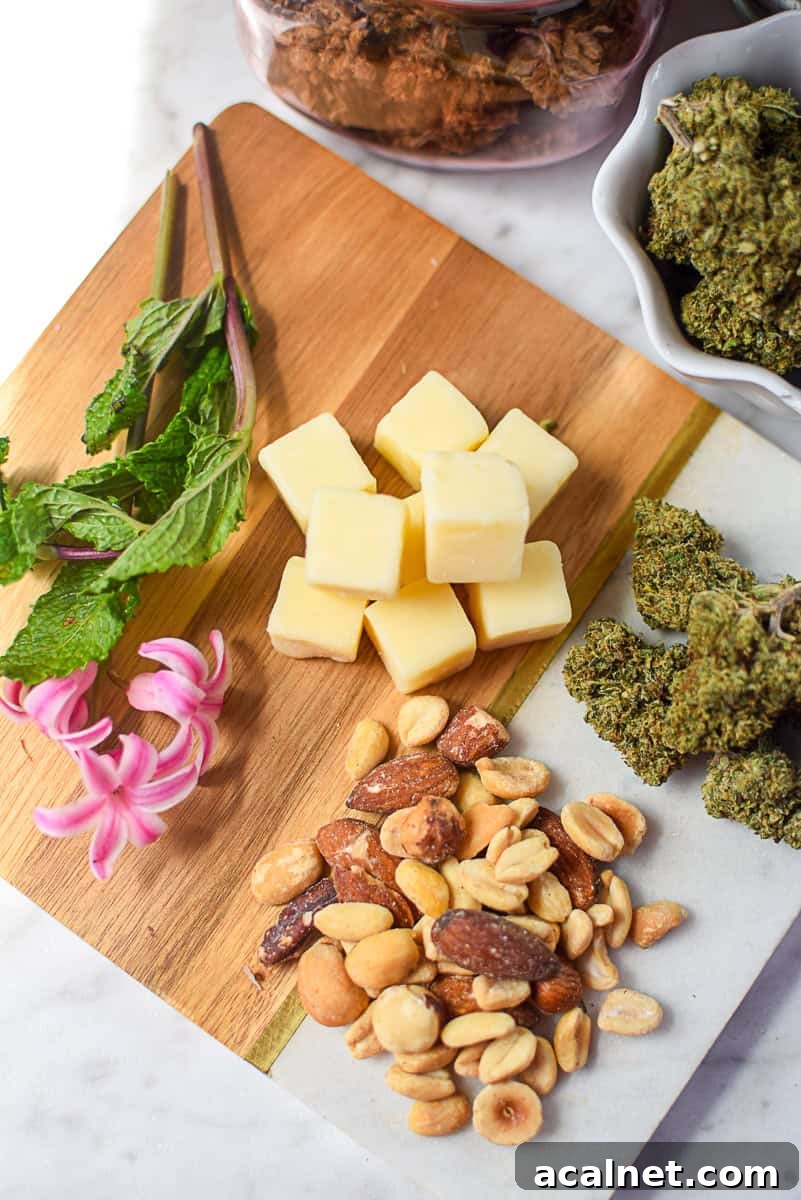
#2 – Absorption and Bioavailability
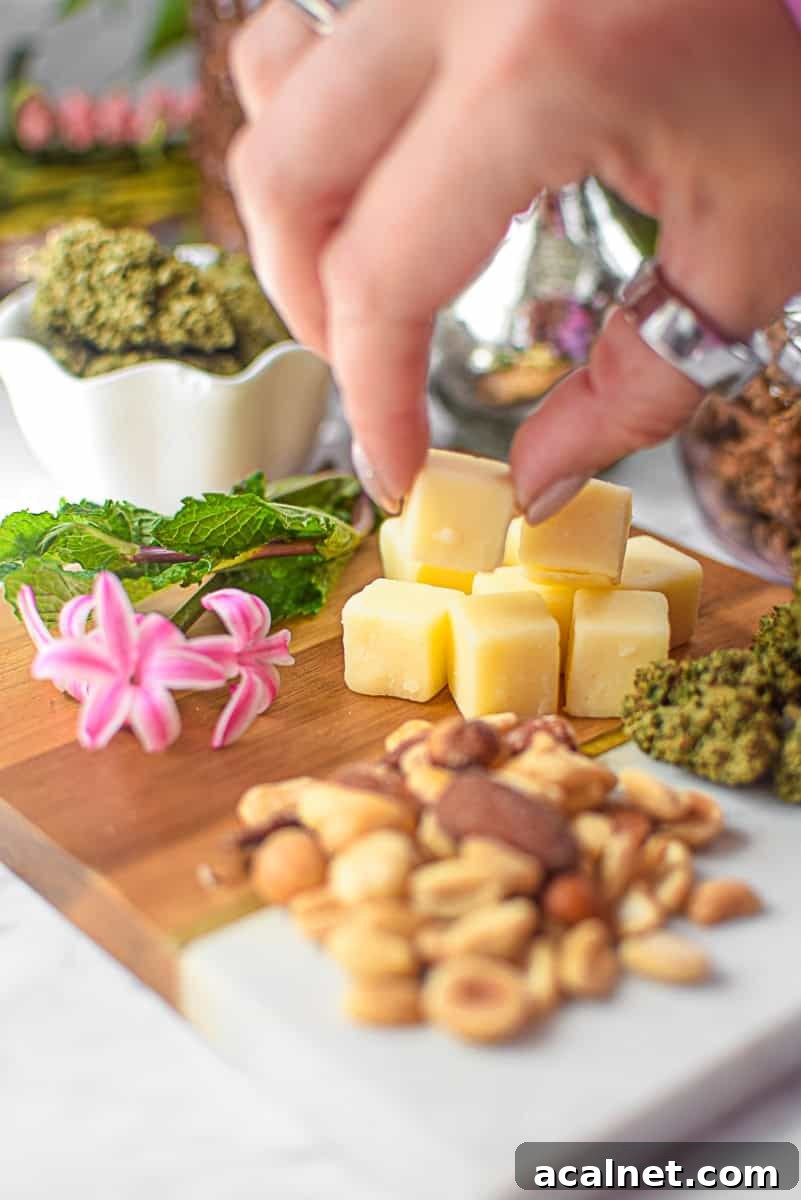
Preparing edibles with fats like butter, vegetable oil, or whole milk is only the first step. Consuming fat with your edible can further improve how much of the cannabinoids your body actually absorbs.
After you eat an edible, it passes through the digestive system and compounds are absorbed into the bloodstream. Cannabinoids then interact with the endocannabinoid system and other targets throughout the body.
Not all of the cannabinoids you consume reach the bloodstream. Bioavailability describes the proportion of an ingested dose that is absorbed and becomes available to produce effects. For example, if you consume 100 mg and 40 mg is absorbed, bioavailability is 40%.
Research indicates that preparing cannabinoids in fats or oils increases their bioavailability compared with non-lipid preparations. In practical terms, that means more of the active compounds reach the body’s tissues, which can enhance both therapeutic and euphoric effects.
Final Thoughts
Pairing fat with edibles provides two clear benefits: it helps create a more potent infusion because cannabinoids dissolve into lipids, and it improves absorption and bioavailability when the edible is consumed.
Together, these effects can make your edible experience more consistent and effective.
If you want to learn how to make your own oil infusions, you can find straightforward methods that work on the stovetop or in devices like an Instant Pot. If you can’t use fats, tinctures made with alcohol or other extraction methods offer an alternative way to access cannabinoids.
Take your edibles to the next level…
An online course can teach step-by-step how to infuse, extract, and prepare consistent edibles and topicals at home. Learn methods for different product types and kitchen setups so you can make safe, reliable recipes with predictable potency.
More Articles You Will Love
Articles & How-To Guides
A Beginner’s Guide to Cannabis Edibles
Articles & How-To Guides
Cannabis Tolerance: Your Guide to Balance & Breaks
Articles & How-To Guides
Do Edibles Work Better on A Full or Empty Stomach?
Articles & How-To Guides