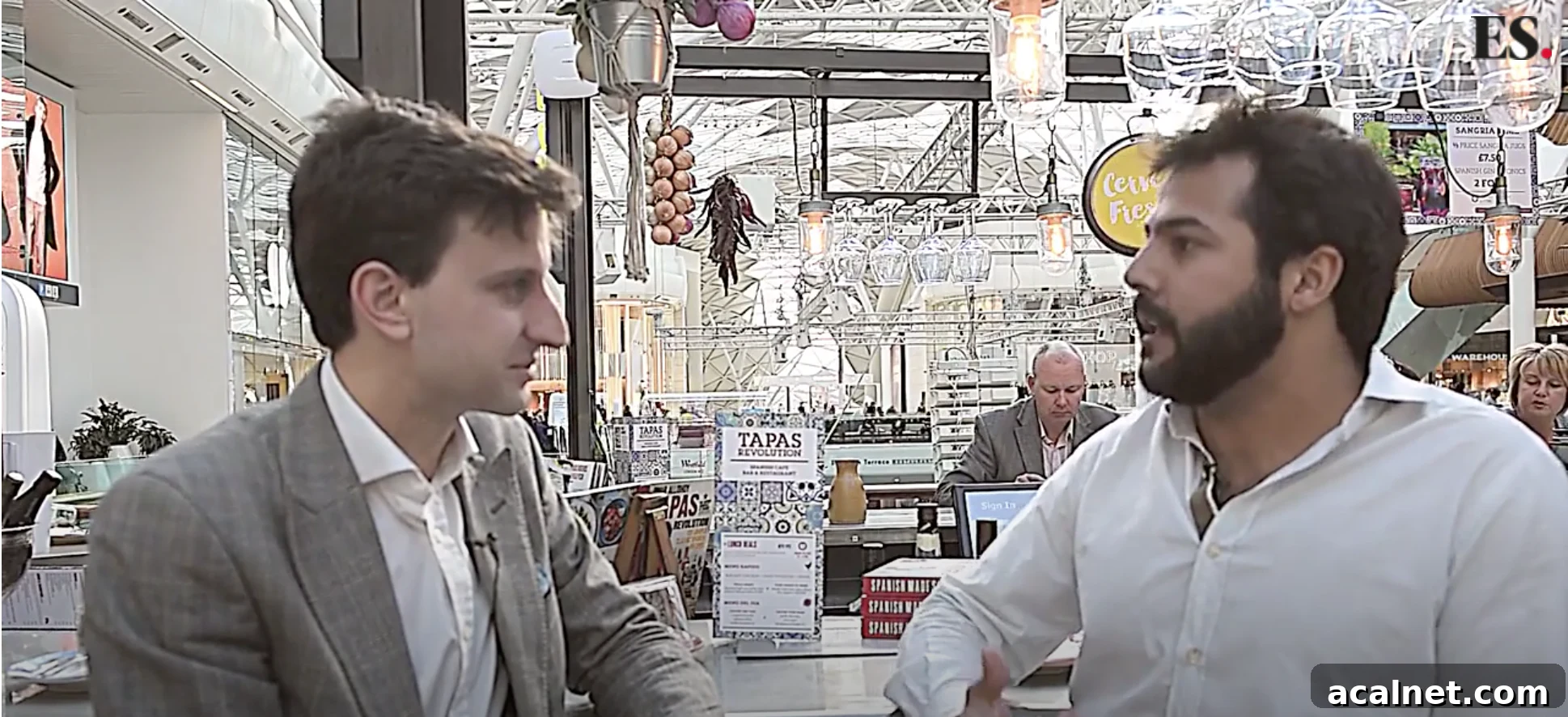
Chef Omar Allibhoy has come to Jamie Oliver’s defence after the British celebrity cook sparked controversy in Spain over comments about paella, dubbed “Paella-gate.” Allibhoy, known for championing Spanish cuisine, urged a calmer response and reminded critics that sharing enthusiasm for food should not be framed as an attack on tradition.
The row began when Oliver suggested adaptations to the classic rice dish, prompting some Spanish cooks and commentators to express outrage that a foreign chef would propose changes to a national culinary icon. Supporters of Oliver argue that cooks routinely experiment and reinterpret recipes, and that culinary evolution is part of any living food culture.
Allibhoy emphasised respect for regional dishes and their origins while also noting that cross-cultural exchange has long influenced how recipes develop. He highlighted that paella itself has many local variations across Spain, and that discussions about technique or ingredients can be constructive when conducted respectfully.
Rather than escalating tensions, Allibhoy suggested using the moment to celebrate Spain’s rich food heritage and to explain why certain ingredients or methods matter to those who grew up with the dish. He encouraged chefs and food writers to engage in open dialogue, share knowledge about provenance, and focus on educating audiences rather than shaming cooks who take a different approach.
The episode has sparked broader conversation about authenticity, culinary ownership and how chefs from different backgrounds interact with traditional dishes. While purists argue for strict adherence to classic recipes, many modern chefs see value in adaptation—so long as changes are acknowledged and the dish’s roots are respected.
Allibhoy’s stance reflects a desire to find balance between protecting culinary traditions and embracing creativity. By calling for measured debate, he aims to reduce polarisation and encourage appreciation for the skill and history behind dishes like paella, while allowing room for interpretation in contemporary kitchens.
In the wake of the controversy, conversations among chefs, food writers and diners continue about where to draw the line between respectful innovation and cultural appropriation. Allibhoy believes that transparency about influences and ingredients, along with clear acknowledgment of a dish’s origins, can help maintain respect while permitting evolution.
Ultimately, the dispute over Oliver’s comments has reminded many in the culinary world of the importance of dialogue, context and mutual respect. Allibhoy’s intervention aims to steer that debate toward constructive exchange, celebrating Spain’s culinary traditions while recognising that food culture is dynamic and enriched by shared experimentation.