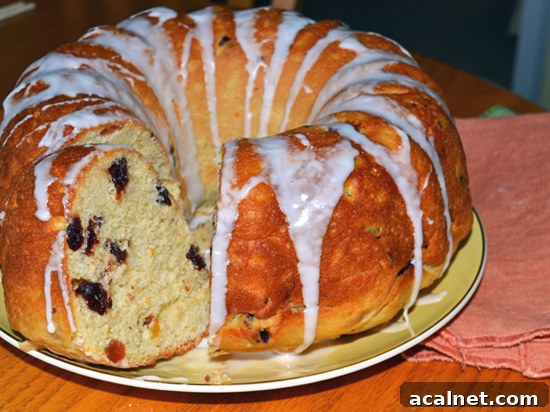
I’ve been baking hot cross buns for Easter for nearly 30 years, but this year I wanted something different. While researching traditional Easter breads I discovered babka. It sounded perfect, so I looked for a genuine recipe — and quickly found there isn’t a single “true” version.
Easter Babka Bread
What Is Babka?
Babka is a sweet, celebratory bread with roots in Eastern Europe — commonly made in Poland and Russia — and appears in both Christian and Jewish food traditions. Because it has been adapted across cultures and families, there are countless variations. Some recipes call for rum or vodka; others use almond or vanilla extract. Fillings can be chocolate, fruit, or none at all. Some bakers add icing, while others skip it. The bread may be baked in a Bundt pan, a loaf pan, or molded by hand. Dried fruit, spices and citrus zest vary widely, as do techniques such as soaking the loaf in syrup before or after baking.
Ultimately, babka is a flexible celebration bread: a slightly sweet, enriched dough that lends itself to the flavors and ingredients you have on hand at springtime. Once I embraced that variety, I adapted several recipes and developed this soft, slightly tangy version flavored with citrus and studded with dried fruit.
Babka Recipe
2 tsp active dry yeast
2 Tbsp warm water
¼ cup granulated sugar
3 eggs
¾ cup sour cream (low-fat is fine)
½ cup lukewarm milk
½ tsp salt
1 Tbsp grated lemon peel
1 Tbsp grated orange peel
4 cups unbleached all-purpose flour
½ cup dried tart cherries
½ cup golden raisins
Icing
1 cup powdered sugar
1 Tbsp lemon juice
Dissolve the yeast in the warm water in a large bowl or the bowl of a stand mixer. Add the sugar, eggs, sour cream and milk, and beat until smooth.
Stir in the salt, grated citrus peel and flour. Mix until a soft dough forms. The dough will be loose and tender rather than stiff.
Fold in the dried cherries and raisins just until evenly distributed.
Place the dough in a greased bowl, cover, and let rise in a warm spot for about 2 hours, until noticeably puffed.
Gently press the risen dough into a greased 10-cup Bundt pan, smoothing it evenly with a spatula. Cover and let it rise again for 40–60 minutes.
Preheat the oven to 350°F (175°C). Bake for 35–40 minutes, until the top is golden brown and a skewer inserted into the dough comes out clean. Let the babka cool in the pan for about 5 minutes, then turn it out onto a wire rack to finish cooling.
Whisk together the powdered sugar and lemon juice to make the icing. Drizzle over the babka when it is just about cool. Allow the icing to set and the loaf to cool completely before slicing.
Special Considerations
This recipe yields a very soft, loose dough best mixed with a stand mixer, though a large bowl and handheld mixer will also work since there is no kneading required. I find a greased baking spatula helpful for pressing and smoothing the dough into the pan evenly.
Feel free to swap the dried fruit for any combination you prefer — currants, candied citrus peel, sultanas or other dried berries all work well. Because babka has long been adapted to local tastes and pantry staples, use what you have and make it your own. It’s an approachable spring bread that welcomes experimentation and new family traditions.