
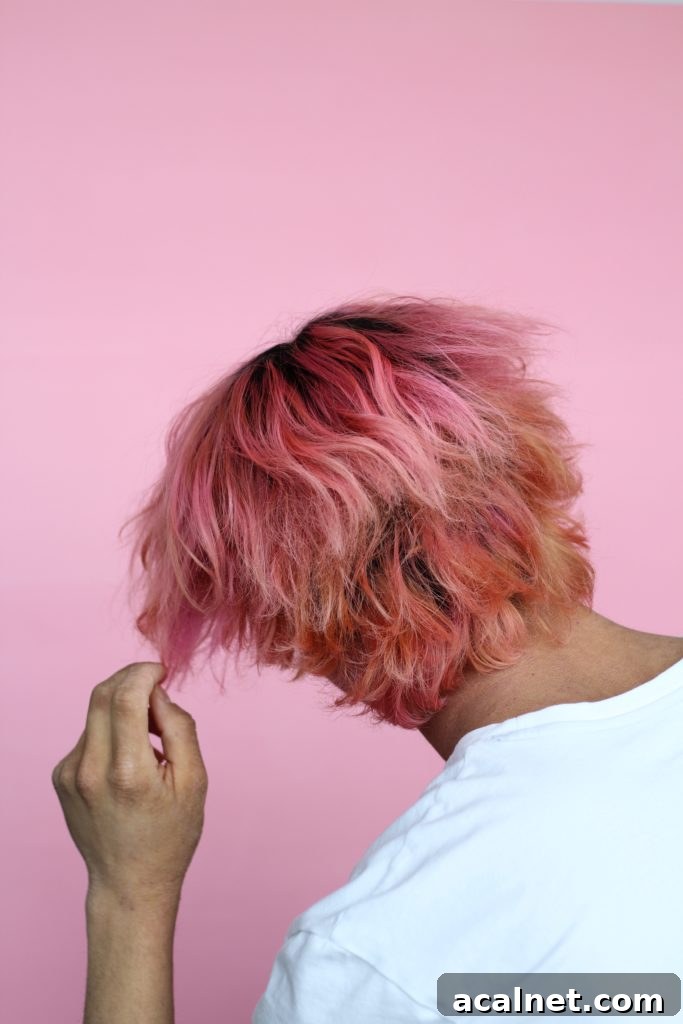
From hot pink to soft pastels, bold hair colors are everywhere right now. If you’ve ever wondered about the safety and ingredients of hair dye—what it’s made of, whether it harms hair, or if it’s toxic to breathe in—you’re not alone. These are common questions, and with so much conflicting information online, it helps to break things down clearly.
What is conventional hair dye made of? Is it dangerous? Can you safely dye hair with food coloring?
If you’re curious about DIY alternatives like food coloring, this guide walks through conventional hair dye risks, how hair dye works, whether food coloring can be used as a hair dye, how long it lasts, safety for kids, step-by-step application, and safer commercial alternatives.
Table of Contents
- Is Conventional Hair Dye Dangerous?
- Dangerous Toxins in Conventional Hair Dyes
- P-phenylenediamine (PPD)
- Toluene
- Resorcinol
- Lead Acetate
- Methylisothiazolinone
- Parabens
- Fragrance
- How Does Hair Dye Work?
- Can You Dye Your Hair with Food Coloring?
- How Long Does Food Coloring Hair Dye Last?
- What Kind of Food Coloring is Best?
- Is Dyeing Hair with Food Coloring Safe for Children?
- How To Dye Your Hair with Food Coloring
- Other Options for Non-Toxic Hair Dye
- Conclusion
Is Conventional Hair Dye Dangerous?
Maintaining colored hair takes time and money, and many people worry about potential health risks. Research into long-term risks like cancer has produced mixed results. Studies differ in design and outcome, and many variables affect cancer risk, making it difficult to draw definitive conclusions. That said, some commonly used hair dye ingredients are associated with health concerns. Understanding those ingredients helps you make an informed choice.
Dangerous Toxins in Conventional Hair Dyes
While the overall link between hair dye and serious illness remains uncertain, several ingredients frequently found in conventional hair dyes have known risks:
P-phenylenediamine (PPD)
PPD is a common hair-coloring agent derived from petroleum. It can cause skin and eye irritation, asthma, and allergic sensitization. At high exposures it has been linked to more severe effects. It’s restricted in some regions and is suspected to have endocrine-disrupting and neurotoxic properties. If you’re avoiding harsh chemicals, check labels for PPD and choose alternatives that don’t include it.
Toluene
Toluene is a volatile organic solvent found in some hair products. It can evaporate into indoor air and has been associated with neurological effects, respiratory irritation, and developmental concerns during pregnancy. Minimizing exposure to VOCs like toluene helps reduce indoor air pollution and potential health risks.
Resorcinol
Resorcinol is another ingredient linked to endocrine disruption and is restricted in some markets due to possible health impacts.
Lead Acetate
Lead acetate has documented neurotoxic effects. Lead exposure is harmful, particularly for developing brains, so avoiding products that contain lead compounds is sensible.
Methylisothiazolinone
This preservative is a known skin allergen and is suspected of neurotoxicity in some contexts. Safer preservative alternatives exist and are preferred in cleaner formulations.
Parabens
Parabens are commonly discussed for their endocrine-disrupting potential and links to reproductive concerns. They may also cause allergic reactions in some people and are restricted in some regions.
Fragrance
“Fragrance” on ingredient lists can hide many chemical constituents. Because companies can list proprietary blends simply as “fragrance,” consumers cannot easily know what chemicals are included. Some fragrance components can be allergens, endocrine disruptors, or otherwise problematic. If you prefer cleaner products, avoid items that list “fragrance” when possible.
In short, while conclusive evidence tying hair dye to long-term disease is mixed, several common ingredients raise legitimate safety concerns.
How Does Hair Dye Work?
Hair dye typically involves chemicals that open the hair cuticle so color molecules can penetrate the hair shaft. Ammonia and similar agents lift cuticle scales, and hydrogen peroxide or persulfate salts are used during bleaching to remove natural pigment. Dye molecules then react to create the desired shade, and acidic conditioners are used to close the cuticle again. This process can cause hair damage and dryness because it alters hair structure.
Can You Dye Your Hair with Food Coloring?
Using food coloring as hair dye is a popular DIY approach. The short answer: yes, but with important caveats. Food coloring works best on light or pre-bleached hair. On very dark hair, food dye will show little to no change unless hair is lightened first. Food coloring is better suited for bold, temporary shades rather than subtle, natural tones.
How Long Does Food Coloring Hair Dye Last?
Food-color-based dye can last from a few days to a few weeks depending on hair porosity, the specific dye used, how often you wash, and whether you used a conditioner or developer to extend longevity. Without chemical developers, most food-color results are temporary and will fade with repeated washing. Using a developer can make the color semi-permanent but reintroduces chemical processing.
What Kind of Food Coloring is Best?
Not all food colorings perform equally. Gel and concentrated liquid food colorings typically deposit more pigment than vegetable-based natural dyes. Mixing colors and testing on a small strand beforehand helps predict the result. If you want pastel shades, blending food coloring with conditioner can soften intensity; for bolder hues, use concentrated dye straight from the bottle.
Is Dyeing Hair with Food Coloring Safe for Children?
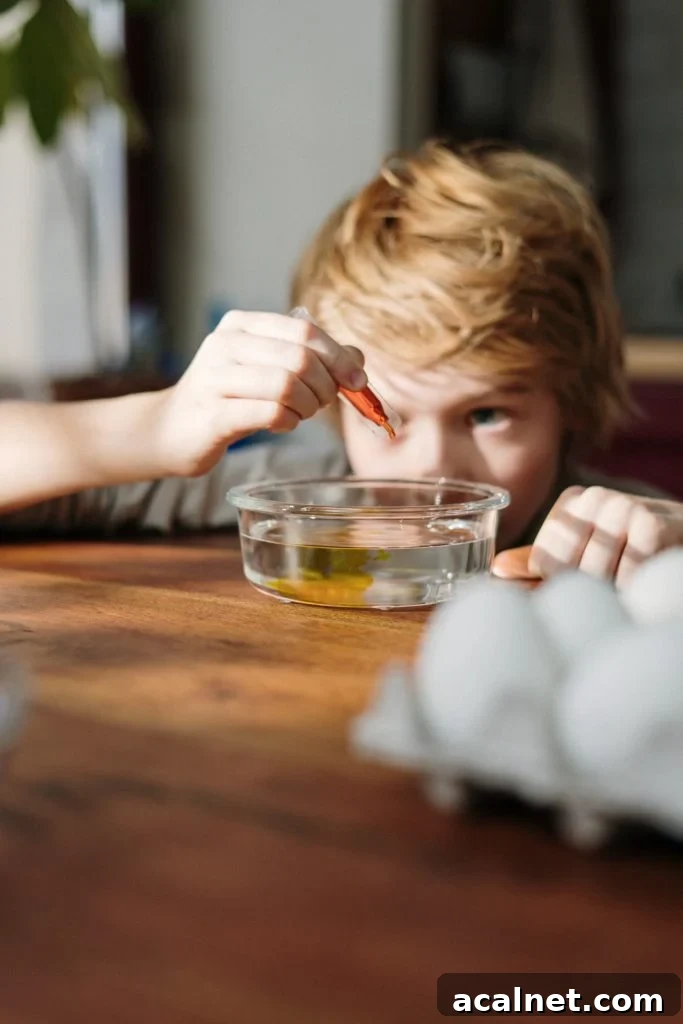
Food coloring is generally safer than many conventional dyes because it’s regulated as a food product and contains fewer questionable ingredients. However, some artificial food dyes have been linked to hypersensitivity, allergic reactions, and other concerns. Certain dyes are banned in cosmetics but remain allowed in foods. Parents should weigh benefits and risks and consider patch tests to check for skin sensitivity before applying dye to children’s hair.
How To Dye Your Hair with Food Coloring
Below is a straightforward approach for temporary food-color hair tinting. Gather: gloves, food coloring, a mixing bowl, brush/comb or toothbrush, an old towel or T-shirt, aluminum foil, a shower cap, and optionally conditioner or a developer.
1. Prepare to make a bit of a mess
Food coloring stains. Wear old clothes, drape a towel over your shoulders, and apply a barrier like a petroleum jelly alternative along your hairline and on exposed skin. Protect surfaces where you’ll work and put on gloves.
2. Mix your color
Mix food colors in a bowl until you achieve the shade you want. For pastels, mix dye with conditioner; for brighter results, use the dye concentrated. If you want a longer-lasting result and accept chemical processing, replace conditioner with a developer.
3. Apply the color
Section hair and apply dye with a brush, comb, or gloved hands. For highlights, apply to selected strands and wrap in foil. For full color, coat evenly, pile hair on top of your head, and cover with a shower cap.
4. Wait for it
Processing time varies. On light hair, pigment can take hold in 5–10 minutes, especially with gentle heat. Others leave dye in for up to two hours for deeper color. Check periodically and adjust time based on desired intensity and your hair’s natural color.
5. Wash and enjoy
Rinse thoroughly until water runs clear. Avoid overwashing if you want the color to last longer—each wash fades pigment. Use sulfate-free shampoo and conditioner to preserve color.
Other Options for Non-Toxic Hair Dye
If food coloring isn’t a good match for your hair goals or you have darker hair, several cleaner commercial options exist that avoid common toxic ingredients:
Hairprint
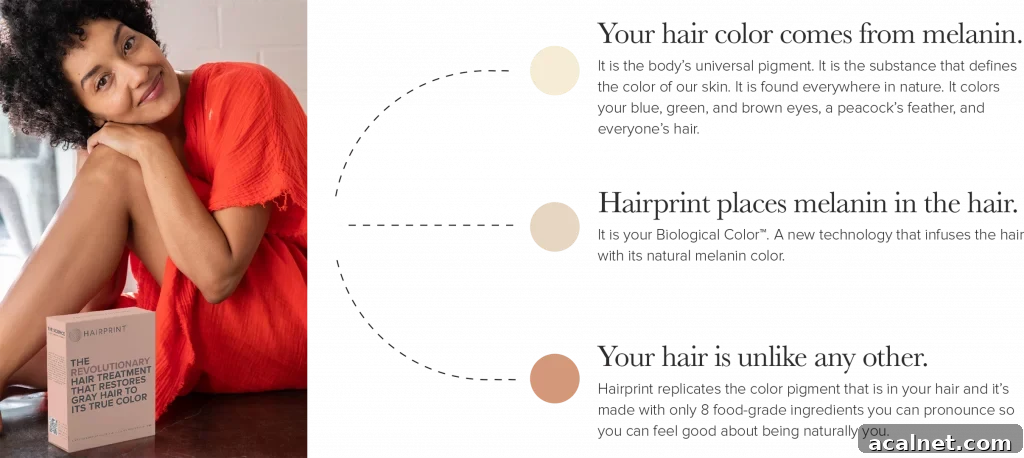
Hairprint is a dye-free system designed to restore natural melanin to hair, making it an option for reversing gray without conventional dyes. It’s formulated to be non-toxic and is positioned for people seeking a gentler approach.
Organic Hair Dye from Radico
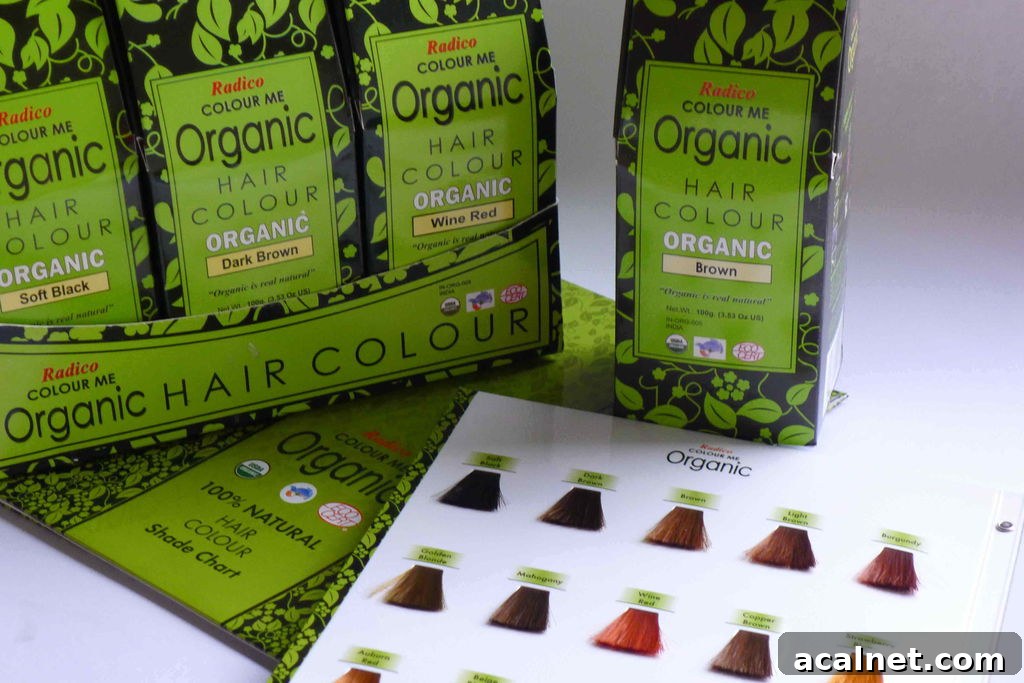
Organic henna-based and plant-based dyes offer natural alternatives with many shades available. These formulas avoid many synthetic toxins and are suitable for those who want a more natural color without harsh chemicals.
Kids Temporary Hair Chalk
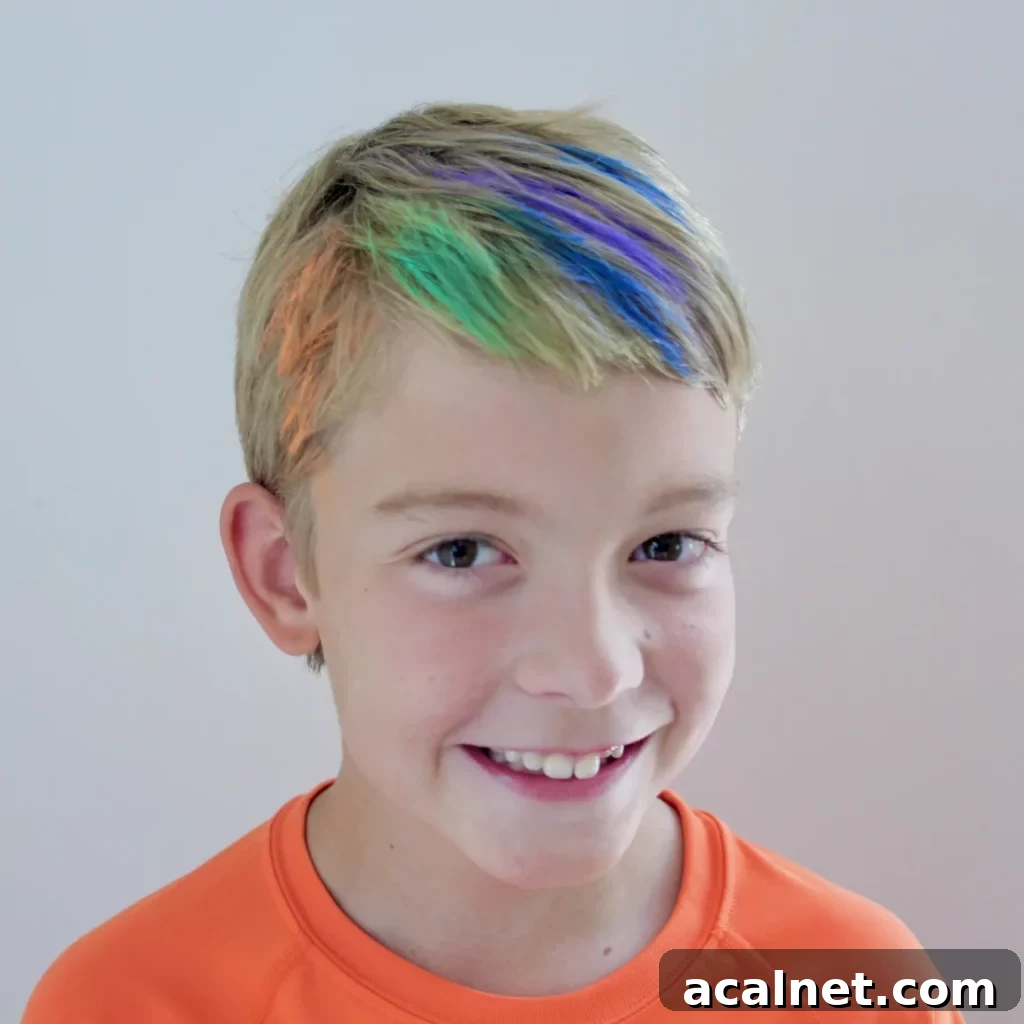
Temporary hair chalks and color sprays made for children are generally formulated without harsh chemicals and wash out easily with shampoo. These are fun, low-risk options for short-term color experiments.
Conclusion
Choosing whether to dye your hair is a personal decision that balances style, convenience, and safety. Conventional hair dyes include ingredients that have raised health and environmental concerns, while food coloring can be a low-cost, temporary alternative for light hair and bold looks. For longer-lasting color or darker hair, safer commercial options and plant-based dyes offer alternatives that reduce exposure to some of the more worrisome chemicals. Whatever route you choose, patch-test for allergies, read ingredient lists carefully, and consider professional advice for major color changes.