
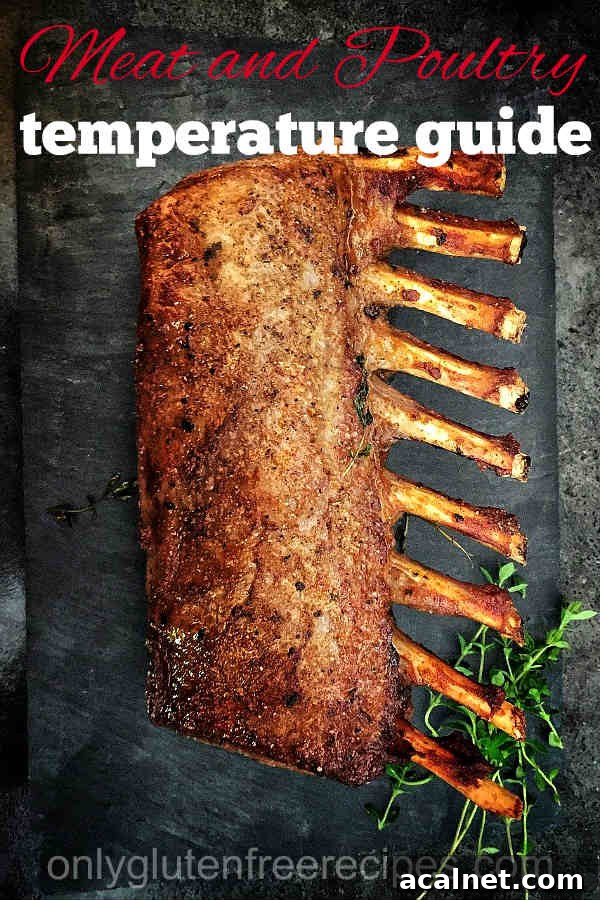
Cooking meat and poultry to the right temperature is essential for flavor, texture and safety. Whether you are a home cook or experienced chef, the goal is the same: tender, juicy meat cooked to perfection. Achieving that depends on understanding timing, the cut, cooking method and internal temperature.
It’s about timing, cuts and temperatures!
When preparing a roast, steak or chicken breast, several factors determine the final result. The four basic principles are correct internal temperature, proper timing, choosing the right cut and applying suitable cooking techniques. Mastering these elements will help you consistently produce succulent, well-cooked meat.
Meat cooking temperatures
For large cuts—such as whole turkeys or big roasts—lower oven temperatures often work best. Cooking at a moderate temperature allows the center to come up to the desired doneness without overcooking the outside. This slower approach helps retain moisture and gives you a more even cook throughout the cut.
Timing
Lower temperatures mean longer cooking times, but the trade-off is a juicier result. Slow-roasting is especially useful for preserving moisture in large cuts and whole poultry. Plan ahead and allow extra time when using lower heat, and always monitor internal temperature rather than relying solely on clock time.
How to get extra flavor when cooking meat?
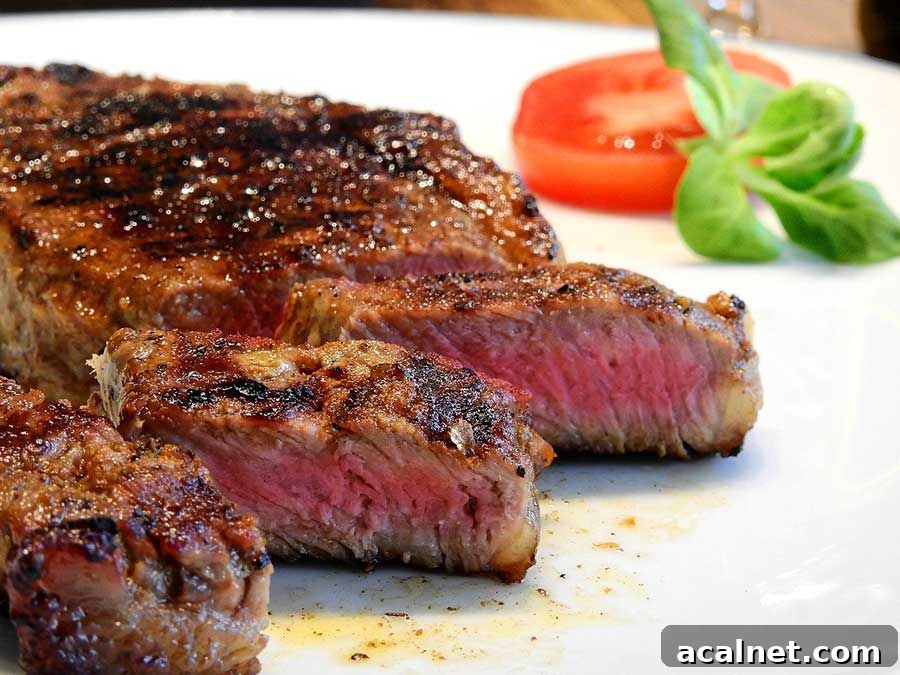
To boost flavor and texture, sear the meat first. Browning forms a flavorful crust and adds depth to the final dish. For a successful sear, the surface of the meat must be very dry—blot it thoroughly with paper towels, especially if it was previously frozen.
Use a very hot pan for searing; a heavy skillet such as cast iron works best because it retains high heat. When browning smaller pieces like stewing beef, don’t overcrowd the pan. Give each piece space so the surface can caramelize properly instead of steaming.
Internal temperatures
Avoid overcooking by using an accurate meat thermometer. Check the internal temperature in the thickest part of the cut, away from bone and fat. For many roasts and steaks, remove the meat from the heat source 5–7°F (about 3–4°C) before reaching the target temperature; carryover cooking will bring it up to the ideal doneness while the meat rests. Note that poultry and fish generally do not retain heat as long as red meat, so handle their carryover adjustments more conservatively.
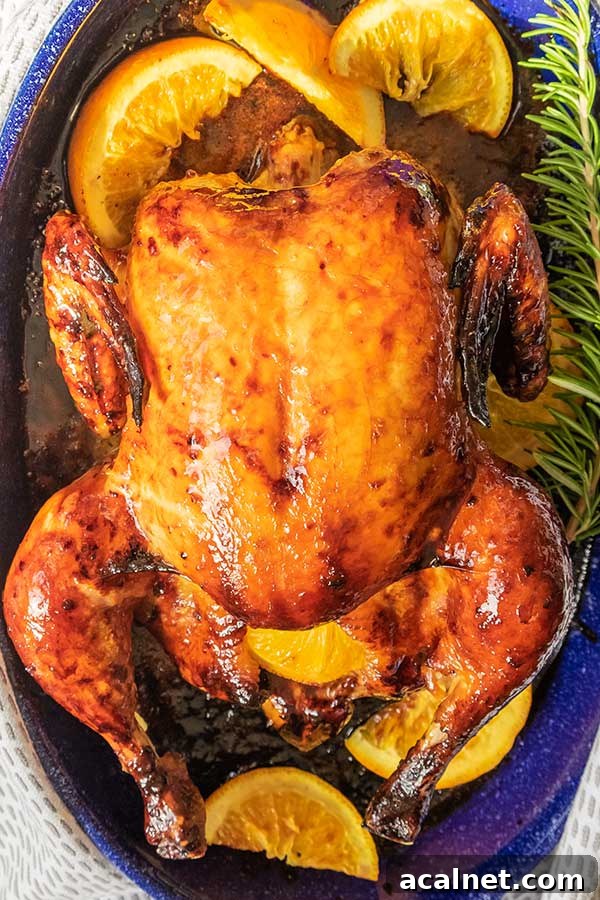
chicken a l’orange
Rest the meat before carving
Resting is a critical step. During cooking, juices are drawn toward the center of the meat. Letting the cooked meat rest allows those juices to redistribute evenly, resulting in a juicier final product when you carve.
Large cuts: Big roasts or whole turkeys benefit from longer rest times—often around 30–40 minutes—depending on size. This helps the interior settle and makes carving easier.
Smaller cuts: Steaks and pork chops typically need only 5–10 minutes of rest, while a medium-size roasting chicken should rest about 15–20 minutes.
Never use a fork to turn the meat
Always use tongs or a spatula to turn meat. Piercing it with a fork lets valuable juices escape, which can dry the meat and reduce flavor.
Clean up
When handling raw meat, poultry or fish, wash your hands thoroughly before and after preparation. Sanitize tools and surfaces such as cutting boards and knives between uses to prevent cross-contamination. Proper hygiene in the kitchen is as important as proper cooking temperatures.
Meat Cooking Temperatures, Meat Temps
BEEF
Standing ribs –
RARE Weight 3–7 lbs: cook at 325°F for about 25 minutes per pound or until internal temperature reaches 135°F.
MEDIUM Weight 3–7 lbs: cook at 325°F for about 30 minutes per pound or until internal temperature reaches 155°F.
WELL DONE Weight 3–7 lbs: cook at 325°F for about 35 minutes per pound or until internal temperature reaches 170°F.
For rolled or boned roasts, add roughly 8–15 minutes per pound to these times.
PORK
Rib and Loin Weight 3–7 lbs: cook at 375°F for 20–25 minutes per pound or until internal temperature reaches 145°F.
Leg Weight 5 lbs: cook at 325°F for 25–30 minutes per pound or until internal temperature reaches 160°F.
Picnic shoulder Weight 5–10 lbs: cook at 325°F for about 40 minutes per pound or until internal temperature reaches 160°F.
Shoulder, butt Weight 3–10 lbs: cook at 325°F for 40–50 minutes per pound or until internal temperature reaches 160°F.
Boned and rolled shoulder Weight 3–6 lbs: cook at 325°F for about 60 minutes per pound or until internal temperature reaches 160°F.
POULTRY
Chicken Weight 3–5 lbs: cook at 350°F for about 30 minutes per pound or until internal temperature reaches 185°F.
Stuffed (over 5 lbs) Cook at 350°F for about 25 minutes per pound or until internal temperature reaches 185°F.
Turkey Weight 8–12 lbs: cook at 325°F for about 20 minutes per pound or until internal temperature reaches 185°F.
Turkey Weight 18–20 lbs: cook at 325°F for about 15 minutes per pound or until internal temperature reaches 185°F.
LAMB
Shoulder — WELL DONE Weight 4–10 lbs: cook at 325°F for around 40 minutes per pound or until internal temperature reaches 170°F.
Boned and rolled Weight 3–6 lbs: cook at 325°F for about 40 minutes per pound or until internal temperature reaches 180°F.
Leg — MEDIUM Weight 5–10 lbs: cook at 325°F for about 40 minutes per pound or until internal temperature reaches 165°F.
Leg — WELL DONE Weight 3–6 lbs: cook at 325°F for about 40–50 minutes per pound or until internal temperature reaches 175°F.
Crown — WELL DONE Weight 3–6 lbs: cook at 325°F for about 40–50 minutes per pound or until internal temperature reaches 175°F.
Notes
Use these guidelines as a starting point, but always rely on an accurate meat thermometer for best results. Different ovens and cuts can vary, so monitor internal temperature and adjust timing accordingly. Proper searing, resting and handling will improve flavor and texture while keeping your food safe.